

• Menu
  • Skip to content

ss_site_title

Just another WordPress site

Blog

Garden of the Month: June

June 16, 2019 //  by jessica.m.ricco@gmail.com//  Leave a Comment

Yerba Mansa
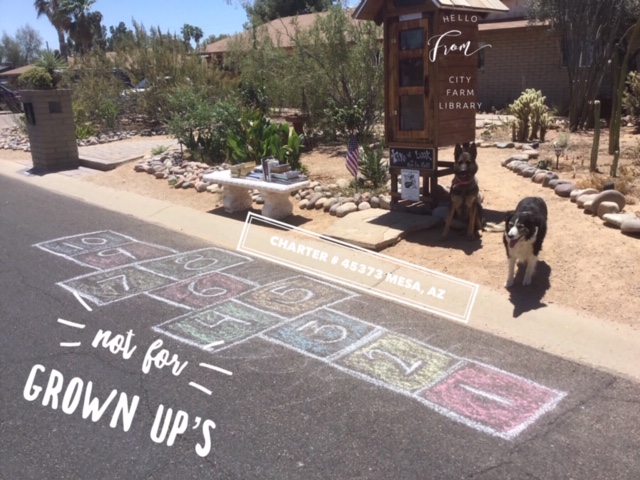
The Little Free Library
Tea in the garden
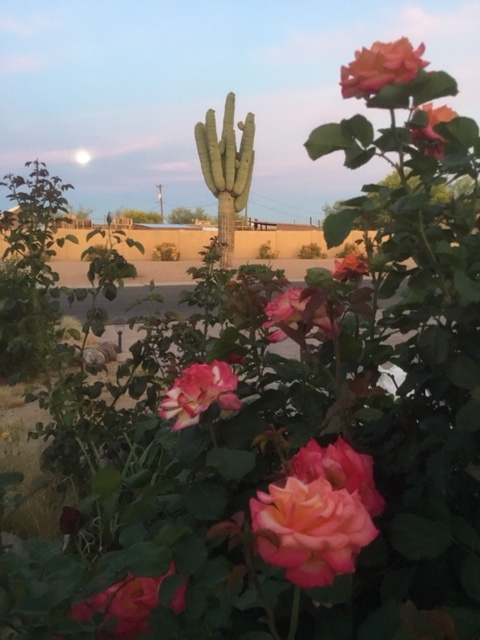
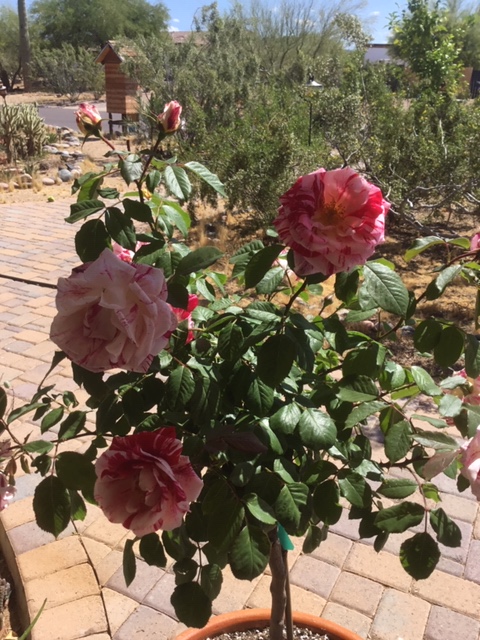
Roses at Dusk
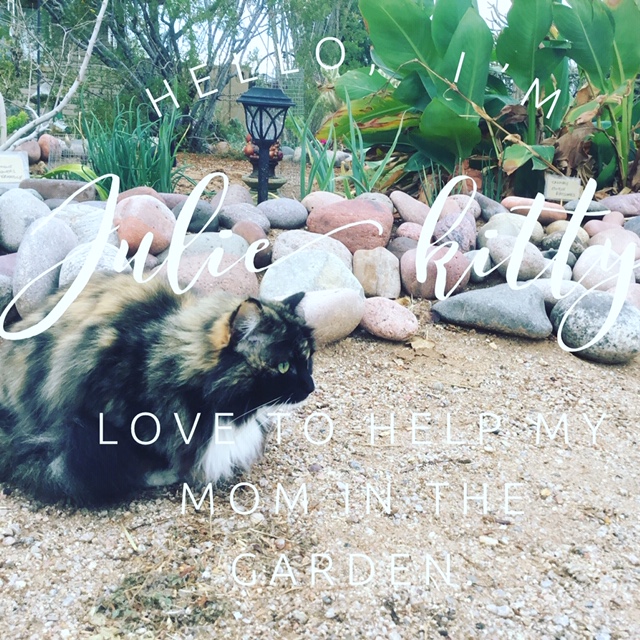
Resident rescue kitty
Muscovy ducks
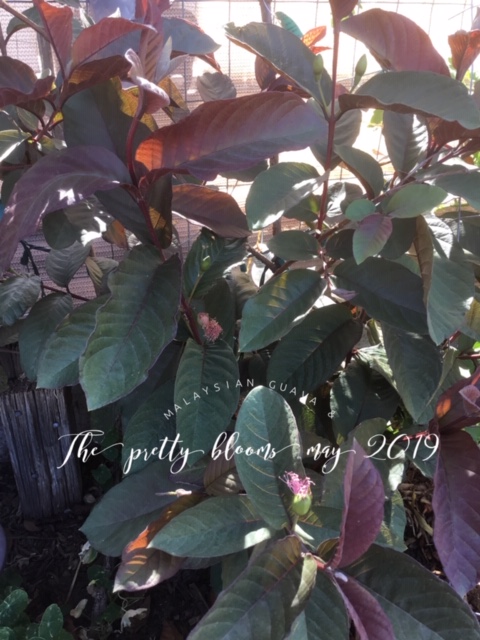
Malaysian Red Guava
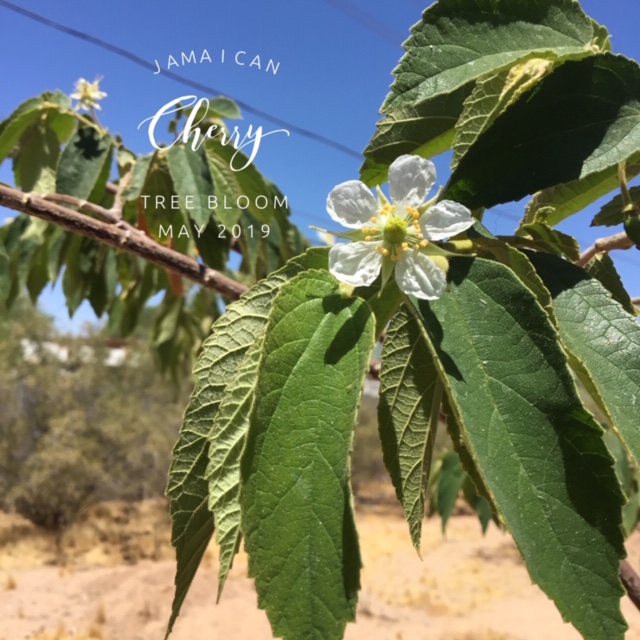
Jamaican Cnerry
Fun Play in front of the little library
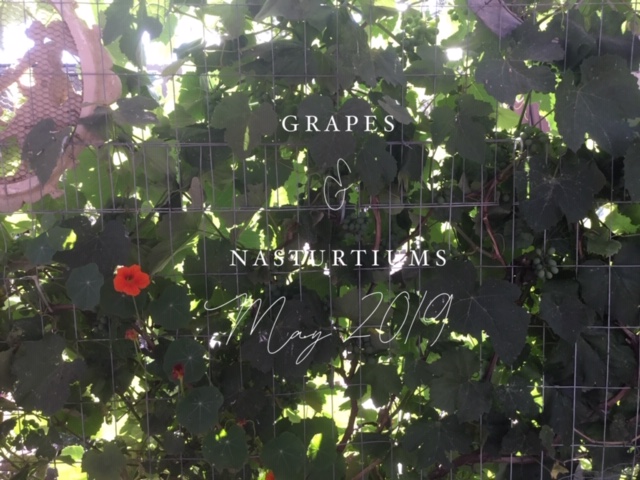
Grapes and nasturtium
Front Yard
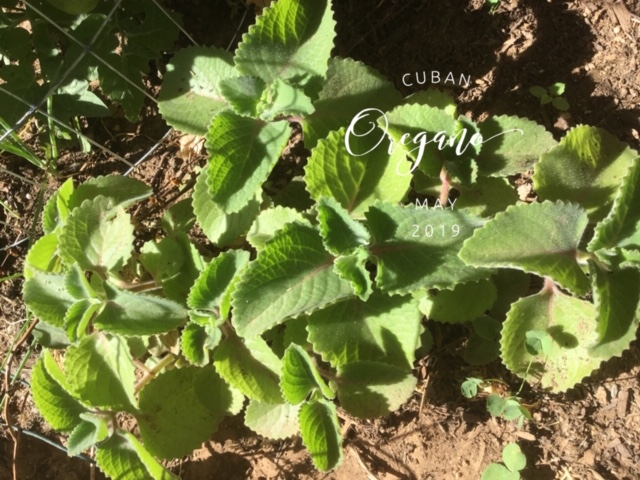
Cuban Oregano
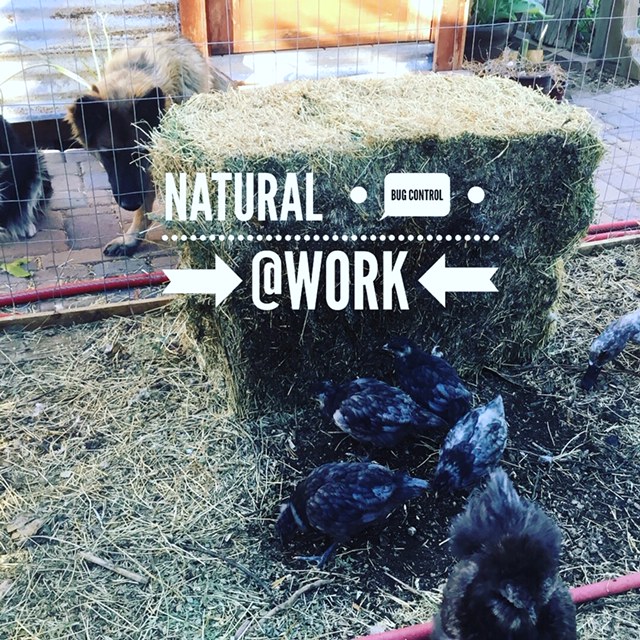
Chickens are natural pest control_
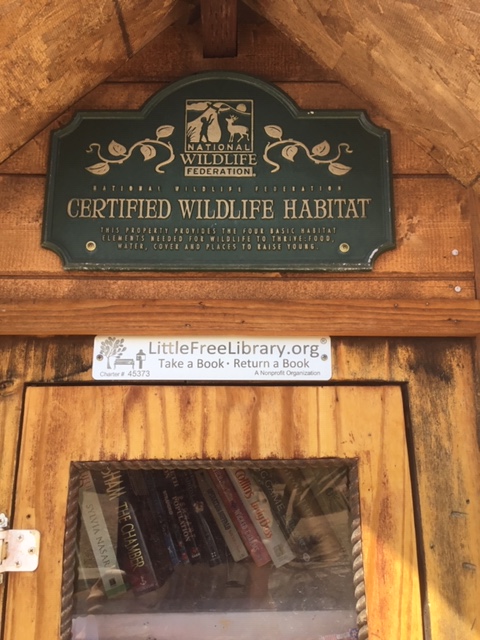
Certified Wildlife Habitat plaque
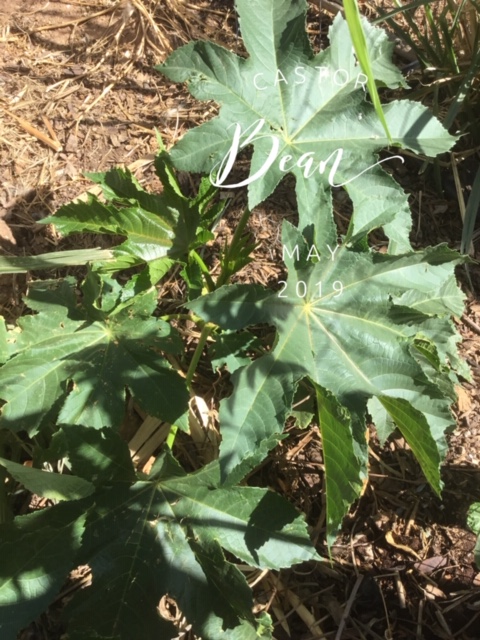
Castor Bean Seedling
Beautiful Roses
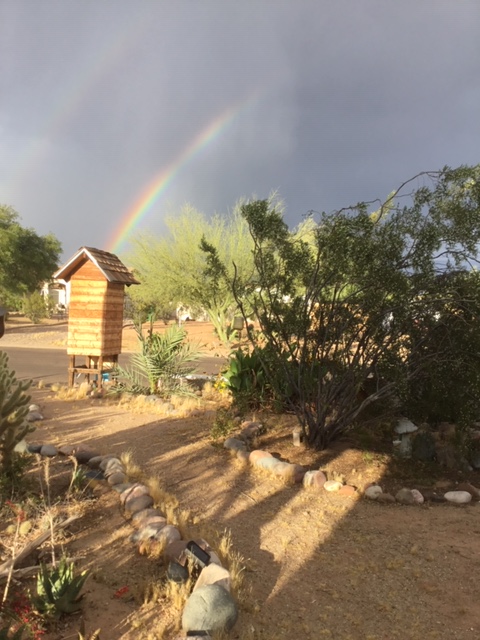
Beautiful rainbow_

As I drive up to City Farm, a small family of quail scutter across the street from this wildlife sanctuary. It’s 9am and already 90 degrees (F), yet the garden has this cooling and slowing down atmosphere to it. I appreciate the lovely perfume of the creosote bushes as I walk up to the door, checking out what’s growing on the way.

City Farm belongs to Dephane and her family. This garden is a true wildlife refuge, having received two plaques, one from the National Wildlife Federation and the other for providing safe Monarch butterfly habitat.

Dephane is wonderfully warm and welcoming, and all her surroundings reflect that. As she takes me for a tour through her garden, I notice all the lovely spots designed for relaxing, entertaining, and enjoying the outdoors. Sofa beds are tucked away in shady corners, lovely chairs, a table for tea, and candle holders that are definitely well used are strategically placed throughout. Gentle gurgles of water fade in and out as we walk around. There are seven watering stations throughout the garden, as well as 3 very busy bird feeding stations.

This garden is home to several Muscovy ducks, a few chickens and a precious rooster named Peaches.  An array of herbs, several tomatoes plants, and younger cuttings and seedlings are grown on a shady patio. There are several figs trees, mulberries, and many bananas plants throughout the back and front gardens. Native passion fruit, honeysuckle, and other vining plants clamber up trellises. A huge grapevine shades the chicken coop. In the front yard, native desert plants share space with more fruit trees and some impressive rose bushes. Drought tolerant flowers and several sunflowers add even more color and food for pollinators.

City Farm also has a Little Free Library on the property where neighbors or any interested readers can pick up a book or drop some off. During cooler months, the library is not only stocked with books, but also seeds and plant cuttings. While sharing a delicious tea Dephane brewed, I got to find out more about this lovely garden.

What is gardening to you?

It means growing my own food. It is being out in nature. It is the joy of planting one tiny seed and knowing it can grow into something wonderful.

How did your garden adventure begin?

When I was growing up both my parents gardened. Later when I was raising my kids it was fun to garden with them, to pull up radishes from the garden for example. I do garden more now since they are grown.

What changes have you made that have been really impactful?

Designing our garden so that we can use it to teach about wildlife. We hold several classes on how to provide habitats for Monarch butterflies, teaching people how to grow food, even how to have a garden to support wildlife.

What do you enjoy growing?

Fruit trees. I think they are easier than vegetables and they do not die at the end of the season. I cannot wait for all my bananas to be producing.

What do you want other gardeners to know about your garden?

I love to share.  I love to spend time in my garden. I like having friends over for tea in the garden.

What are your biggest gardening challenges?

Bugs. Hungry bugs and critters eating stuff.Sometimes, the dogs.

What are your biggest successes?

The sharing I can do. There is sharing with the little library, a seed library as well. There’s progressive dinners in the neighborhood, where we do a different course at a different home and we can share and learn and teach others how to garden.

Any tips to share with others?

The importance of composting and using waste materials for good. We use the cleanings from the chicken coop in compost. There are also composting worms. We add kombucha and all the kitchen food scraps to the compost. Also, we use leaf debris to build soil. The water from the duck pool is used to water the bananas.

Follow Dephane:

@Dephane_Marcelle_CityFarm
City Farm on Facebook
Category: Garden of the Month

Planting a Three Sisters Garden in Phoenix

June 13, 2019 //  by jessica.m.ricco@gmail.com//  Leave a Comment

The Native Americans tell a story about companions.

As corn grew tall, he watched over the land. Corn felt sad sometimes and did not understand why. One evening corn saw two butterflies fluttering about together. Corn understood for the first time that his sadness came from loneliness and needing companionship.

Bean, hearing his cry, came to offer companionship. Corn said it would not work, because bean liked to wander on the ground, while corn liked to stand tall in one place, his leaves blocking the sun from others below.

Bean was determined though and planted herself next to corn, wrapping her tendrils and vines around corn’s stalks as though leaning on corn. As she wrapped around corn providing support, the two grew tall together.

Adapted from Herbmentor, an article by Sarah Haas

A three sisters garden is adaptable – it can work in the ground, a raised bed or even containers with some creativity. While short varieties of corn have many advantages here in the desert, a taller variety is typically used if you are planting in ground in a traditionally-styled three sisters garden. Both tall or short corn varieties can be used and paired with bean varieties that suit whichever corn height is chosen. We recommend using native varieties, which are better adapted to our higher temperatures, especially in the monsoon garden. Shorter corn varieties use less water and most typically mature sooner than the taller varieties.

Corn is best planted in blocks in a home garden instead of rows, which allows for better pollination. Plant beans shortly after the corn starts to grow, when stalks are about 4 inches tall. They will use the corn as a trellis but also act as an anchor to prevent the corn from falling over in strong winds. Use pole or lima beans, not bush beans when planting tall corn varieties.

Squash is planted to keep the soil cool and prevent the germination of weed seeds. Plant the squash a week after the beans have emerged. Both summer and winter squash types can be planted. Additionally, melons or watermelons could also take the place of the third sister.

The three sisters are often planted on hills in other parts of the country. To conserve water and also capture as much water as possible, depressions or Waffle Gardens are a better idea in our desert. The clay actually works as an advantage to create the berms. Compost should be mixed into the depressed areas to add in organic matter, improve texture and start the microbial life.

Fill a waffle garden with the three sisters and also consider Monsoon Garden plants we suggest in our Monsoon Garden article.

If you prefer to use a shorter variety of corn, plant with cowpeas and melons or even zucchini rather than a huge vining squash. For container planting, work with the largest containers possible. A Big Bag Bed is a great option to plant out a short corn variety with a melon and a few cowpeas. Alternatively, 15-gallon nursery pots can be used to plant three corn each. Do at least six corn plants for decent pollination. A squash or melon seed can be added to the pot and beans can be grown separately next to the corn.

Help with Pollination

However and wherever you plant your three sisters, the corn will need some additional help with pollination.

This is because corn is pollinated by the wind and the backyard grower does not grow as much as a commercial corn farmer to ensure there is enough pollen in the air.

A little shake of each stalk once they have come into pollen every morning and every evening will help ensure full ears.

There are different types of corn that serve different functions in culinary uses:

Sweetcorn

Sweetcorn has the highest sugar content of any of the varieties and is comprised mostly of soft starches. It is the most frequently grown corn by home gardeners.

Dent Corn

Dent corn is mostly commercial corn. It is grown for animal fodder, high fructose corn syrup, ethanol, and tortilla chips. This variety is a cross between flint and flour corn. It is called dent corn because of the dented appearance. It can be roasted in the milk stage (18-22 days after corn silk appears) for eating.

Flour Corn

Flour corn is a soft starch. It is sweet and digestible, with a fuller flavor than sweet corn. It can be eaten like fresh corn in the milk stage. It is good for masa.

Popcorn

Popcorn is a subset of flint corn-unlike sweet corn and does not shrivel when it is dried. This is because the outer starch is hard while the inner starch is soft. When heat is applied, there is a pressure that builds up causing that soft starch to pop. Popcorn has a prickly appearance. Don’t grow for table eating.

Flint Corn

Flint and flour are the traditional Native American corns. Flint is used for hominy, grits, cornmeal and can be popped. They have an iridescent glass bead look. Only a few varieties can be used for fresh eating, and are often roasted.

Here are some suggested varieties to try for monsoon garden crops:

CORN

Ashworth Corn [Sweet]. Plant later in the season, mid August or early September. This variety is quick maturing approximately 70 days and is a shorter variety at 5ft tall.

Dia De San Juan [Dent]. Planted out June 24th to welcome the expected rains. Good for tamales, masa and roasted eating. Grows 10ft tall.

Yoeme Blue Corn [Flour]. A very heat tolerant variety good for low elevations. Shorter variety.

Onaveno [Flint]. A very tall variety that is late maturing and endures temperatures well over 100 degrees. Plant this if you have a good amount of space to dedicate to a corn patch.

Glass gem [Popcorn]. A very beautiful and colorful variety. Plants grow 6ft tall.

COWPEAS AND BEANS

Holstein cowpea. A prolific producer or mottled black and white beans. Smaller plants that are perfect for container or small space gardens.

Blue goose. This variety is best described as tiny speckled rocks! They produced very long pods with about 20 seeds per pod on 3 foot tall plants.

Arsin Long Bean. A very prolific long bean that produces well into winter. Grow this one with a tall variety of corn.

Yoeme Purple String Bean. A quick maturing pole bean that takes 75 days from pod set to a dry bean in Phoenix.

Hopi Red Lima.  A beautiful bean that produces a prolific number of pods. They do take a very long time to mature but are well worth the wait. Plant in late May or early June.

SQUASHES AND MELONS

Zucchini. Any zucchini will grow well with short corn or in container planting.

Calabaza Mexicana. A vigorous cushaw squash with a pale colored flesh.

Magdalena Big Cheese. Large sweet-fleshed squash variety. It is an excellent producer and looks great for Halloween and Fall decorations.

Hopi Yellow Watermelon. This variety is really attractive with its lovely creamy yellow flesh and black seeds. Sweet crisp flesh.

Crimson Sweet watermelon. A popular variety with a lovely sweet and juicy flesh.

Kajari melon. Very heat tolerant small-fruited musk melon with a strong scent. Beautiful orange striped melons very popular with backyard gardeners.

We recommend reading our article on growing squash for information on varieties and understanding cross-pollination.

Category: News & Stories, Tips and Tricks

Growing Clover as a Lawn Alternative

June 3, 2019 //  by jessica.m.ricco@gmail.com//  9 Comments

[vc_row css=”.vc_custom_1559602503825{padding-bottom: 5% !important;}”][vc_column][vc_custom_heading text=”Vast expanses of green lawns get a bad rep sometimes among backyard food and fruit growers as everything from a waste of space to a waste of resources. But what if you could have a nice patch or path or border of soft, fluffy greenery that thrives in summer and winter?” font_container=”tag:p|font_size:18|text_align:left” use_theme_fonts=”yes”][vc_custom_heading text=”Clover is a fantastic option for so many reasons – it is a nitrogen fixer, it flowers for bees, it has deep roots that sustain it without daily watering, it stays green in the winter, among others. We love to run around barefoot on this soft green patch in our yard.” font_container=”tag:p|font_size:18|text_align:left” use_theme_fonts=”yes”][/vc_column][/vc_row][vc_row css=”.vc_custom_1557978178312{padding-bottom: 5% !important;}”][vc_column width=”1/3″][vc_custom_heading text=”PALESTINE STRAWBERRY CLOVER” font_container=”tag:p|font_size:24|text_align:left|line_height:1.5″ use_theme_fonts=”yes”][vc_single_image image=”1208″][vc_custom_heading text=”We came upon Palestine Strawberry Clover when researching a low ground cover that would be suitable for the bare earth along the edge of our yard that was previously a flood irrigation channel.” font_container=”tag:p|text_align:left|line_height:1.5″ use_theme_fonts=”yes”][/vc_column][vc_column width=”2/3″][vc_single_image image=”2971″ img_size=”full”][/vc_column][/vc_row][vc_row css=”.vc_custom_1559602525768{padding-bottom: 5% !important;}”][vc_column][vc_custom_heading text=”This particular variety stood out because it:” font_container=”tag:p|font_size:24|text_align:left|line_height:1.5″ use_theme_fonts=”yes”][/vc_column][/vc_row][vc_row css=”.vc_custom_1557980198386{padding-bottom: 5% !important;}”][vc_column][vc_row_inner css=”.vc_custom_1559602546841{padding-bottom: 3% !important;}”][vc_column_inner width=”1/3″][vc_custom_heading text=”TOLERATES POOR DRAINAGE” font_container=”tag:p|font_size:18|text_align:left|line_height:1.5″ use_theme_fonts=”yes”][vc_single_image image=”1208″][vc_custom_heading text=”It tolerates poor drainage and can survive in up to two months of flooding.” font_container=”tag:p|text_align:left|line_height:1.5″ use_theme_fonts=”yes” link=”|||”][/vc_column_inner][vc_column_inner width=”1/3″][vc_custom_heading text=”ATTRACTS BENEFICIAL INSECTS” font_container=”tag:p|font_size:18|text_align:left|line_height:1.5″ use_theme_fonts=”yes”][vc_single_image image=”1208″][vc_custom_heading text=”The strawberry clover blossoms attract bees, butterflies, and other beneficial insects, particularly during the summer after the citrus blooms have faded.” font_container=”tag:p|text_align:left|line_height:1.5″ use_theme_fonts=”yes” link=”|||”][/vc_column_inner][vc_column_inner width=”1/3″][vc_custom_heading text=”FIXES NITROGEN” font_container=”tag:p|font_size:18|text_align:left|line_height:1.5″ use_theme_fonts=”yes”][vc_single_image image=”1208″][vc_custom_heading text=”All clover fixes nitrogen, so this is not something unique to this variety. However, this is a major benefit of clover to traditional bermuda or rye grass.” font_container=”tag:p|text_align:left|line_height:1.5″ use_theme_fonts=”yes” link=”|||”][/vc_column_inner][/vc_row_inner][vc_row_inner css=”.vc_custom_1559602561000{padding-bottom: 3% !important;}”][vc_column_inner width=”1/3″][vc_custom_heading text=”TOLERATES MOWING AND GRAZING” font_container=”tag:p|font_size:18|text_align:left|line_height:1.5″ use_theme_fonts=”yes”][vc_single_image image=”1208″][vc_custom_heading text=”This clover looks lovely after being mowed, if you plan to replace a lawn. It stays green and soft underfoot.” font_container=”tag:p|text_align:left|line_height:1.5″ use_theme_fonts=”yes” link=”|||”][/vc_column_inner][vc_column_inner width=”1/3″][vc_custom_heading text=”SPREADS, BUT NOT INVASIVE” font_container=”tag:p|font_size:18|text_align:left|line_height:1.5″ use_theme_fonts=”yes”][vc_single_image image=”1208″][vc_custom_heading text=”Our clover has filled out the surrounding areas nicely but is nowhere near as invasive as bermuda grass. If I could replace our entire lawn (which was existing when we moved in) with this clover, I would. We are constantly pulling bermuda grass out of garden beds and from mulched areas.” font_container=”tag:p|text_align:left|line_height:1.5″ use_theme_fonts=”yes” link=”|||”][/vc_column_inner][vc_column_inner width=”1/3″][vc_custom_heading text=”LOOSENS HEAVY SOIL” font_container=”tag:p|font_size:18|text_align:left|line_height:1.5″ use_theme_fonts=”yes”][vc_single_image image=”1208″][vc_custom_heading text=”This is BIG for the low desert. Our compacted clay soil needs help to allow oxygen and water to permeate to plant roots. This clover has deep roots that loosens soil and also improves its own drought tolerance.” font_container=”tag:p|text_align:left|line_height:1.5″ use_theme_fonts=”yes” link=”|||”][/vc_column_inner][/vc_row_inner][vc_row_inner css=”.vc_custom_1559602571721{padding-bottom: 3% !important;}”][vc_column_inner width=”1/3″][vc_custom_heading text=”HEAT TOLERANT” font_container=”tag:p|font_size:18|text_align:left|line_height:1.5″ use_theme_fonts=”yes”][vc_single_image image=”1208″][vc_custom_heading text=”It thrives in the summer and winter (hardy down to 25). It does need some water in the summer. However, now that it is established in our yard, it only receives flood irrigation every 2 weeks and receives full western sun.” font_container=”tag:p|text_align:left|line_height:1.5″ use_theme_fonts=”yes” link=”|||”][/vc_column_inner][vc_column_inner width=”1/3″][vc_custom_heading text=”ALKALI TOLERANT” font_container=”tag:p|font_size:18|text_align:left|line_height:1.5″ use_theme_fonts=”yes”][vc_single_image image=”1208″][vc_custom_heading text=”This clover is advertised as alkali tolerant and certainly has thrived wherever we’ve planted it. It even grows along the salty banks of tidal streams.” font_container=”tag:p|text_align:left|line_height:1.5″ use_theme_fonts=”yes” link=”|||”][/vc_column_inner][vc_column_inner width=”1/3″][vc_custom_heading text=”GREEN ALL YEAR LONG” font_container=”tag:p|font_size:18|text_align:left|line_height:1.5″ use_theme_fonts=”yes”][vc_single_image image=”1208″][vc_custom_heading text=”I love that it maintains its rich green color all year long. Bermuda grass always looks so sad and brown in the winter and overseeding with rye is not something we are willing to do at this point.” font_container=”tag:p|text_align:left|line_height:1.5″ use_theme_fonts=”yes” link=”|||”][/vc_column_inner][/vc_row_inner][/vc_column][/vc_row][vc_row css=”.vc_custom_1559602525768{padding-bottom: 5% !important;}”][vc_column][vc_custom_heading text=”How to Start Clover From Seed” font_container=”tag:h3|font_size:24|text_align:left|line_height:1.5″ use_theme_fonts=”yes”][vc_single_image image=”1208″][vc_column_text]We planted this clover in October a couple of years ago.

You need to inoculate clover seed prior to planting. The seed we purchased came pre-coated so we did not have to worry about this step. Inoculation ensures good germination.

I spread the seed using a hand-held seed spreader, but if you have a larger area to cover, the wheeled ones are definitely a better option.

I spread the seed the day after we received flood irrigation because the ground would already be soaked. I also wanted the seeds to germinate before we received flood again, which would have washed away the seed. If you don’t receive flood, you might want to wet the area first.

After spreading the seed, I covered (lightly) with a mix of wood chips, soil, and grass clippings. In retrospect, the grass clippings might not have been the best choice because bermuda and other grasses spread so quickly. However, we didn’t seem to have a huge problem with grass out-competing the clover. I believe starting it in the fall, when bermuda is entering dormancy, was the key to helping the clover become established so it can crowd out the bermuda.

I used a simple, inexpensive sprinkler hooked up to the hose on a timer to keep the area moist for about 10 days.

This clover has reseeded itself and spread to create a beautiful border to our existing lawn. We mow the edge of it and it creates a really nice transition against the block wall that crowds out weeds and provides food for beneficial insects.[/vc_column_text][/vc_column][/vc_row][vc_row][vc_column][vc_cta h2=”Buy Clover Seeds” add_button=”left” btn_title=”Buy Clover Seed” btn_color=”green” btn_link=”url:https%3A%2F%2Fwww.groworganic.com%2Fpalestine-strawberry-clover-rhizocoated-lb.html||target:%20_blank|”]If you’d like to buy Palestine Strawberry clover from the same place we did, consider Peaceful Valley Farm Supply![/vc_cta][/vc_column][/vc_row]

Category: News & Stories, Tips and Tricks

Creating Microclimates for the Desert Summer

May 30, 2019 //  by jessica.m.ricco@gmail.com//  10 Comments

[vc_row css=”.vc_custom_1557978178312{padding-bottom: 5% !important;}”][vc_column width=”1/3″][vc_custom_heading text=”ARIZONA LOW DESERT” font_container=”tag:p|text_align:left|line_height:1.1″ use_theme_fonts=”yes”][vc_custom_heading text=”FULL SUN” font_container=”tag:p|font_size:24|text_align:left|line_height:1.5″ use_theme_fonts=”yes”][vc_single_image image=”1208″][vc_custom_heading text=”How often have your purchased a potted nursery plant or packet of seeds and read the instructions to plant in full sun. You eagerly wait for flowers or fruit, but your plants seem to wither away in the sun. You think you have a black thumb and can’t grow anything. If this story sounds familiar, you should know you do not have a black thumb. It is an untrained thumb and you will soon be on your way to having a green desert thumb!” font_container=”tag:p|text_align:left|line_height:1.5″ use_theme_fonts=”yes”][/vc_column][vc_column width=”2/3″][vc_single_image image=”2935″ img_size=”full”][/vc_column][/vc_row][vc_row css=”.vc_custom_1557975486156{padding-top: 5% !important;padding-bottom: 5% !important;}”][vc_column width=”1/4″][vc_custom_heading text=”HERE IS WHAT” font_container=”tag:p|text_align:left|line_height:1.1″ use_theme_fonts=”yes”][vc_custom_heading text=”REALLY HAPPENED” font_container=”tag:p|font_size:28|text_align:left|line_height:1.5″ use_theme_fonts=”yes”][vc_single_image image=”1208″][/vc_column][vc_column width=”3/4″][vc_custom_heading text=”Growing instructions for plants do not take the desert climates into consideration. They are printed with more temperate summers in mind. As desert gardeners, we need to learn how to interpret these instructions differently for our environment.” font_container=”tag:p|text_align:left|line_height:1.8″ use_theme_fonts=”yes”][vc_custom_heading text=”Most plants with tags that say FULL SUN will require morning sun and afternoon shade or even consistent shade all day. The same can be said for some trees. To further clarify, morning sun is only until noon. During the summer months, the sun rises very early and temperatures are already easily 85 degrees at 6am. By noon, temperatures are well into the high nineties. The UV levels are also high, causing serious stress to plants, which can damage plant DNA, proteins and cell structures. When considering what to plant during our summers, it is important to be aware of this information.” font_container=”tag:p|text_align:left|line_height:1.8″ use_theme_fonts=”yes”][/vc_column][/vc_row][vc_row css=”.vc_custom_1559238672023{padding-bottom: 5% !important;}”][vc_column][vc_custom_heading text=”Factors Affecting Plants During the Summer” font_container=”tag:h3|text_align:left” use_theme_fonts=”yes”][/vc_column][/vc_row][vc_row][vc_column width=”1/3″][vc_custom_heading text=”EXTREME TEMPERATURES” font_container=”tag:p|text_align:left|line_height:1.1″ use_theme_fonts=”yes”][vc_single_image image=”1208″][vc_custom_heading text=”There’s a saying here in the desert, 100 days over 100 degrees. That is brutal to even think about! However, we deal with it every summer and our gardens need to as well. The high temperatures mean higher ambient temperatures, especially for plants close to buildings, or in pots that are on concrete or rock. These surfaces absorb all heat and retain it even in the evenings. Additionally, the leaves of plants are subject to heat bearing down on them. It can easily scorch leaves and eventually kill a plant. Our night time temperatures offer no relief to plants either, while the hot sun is not bearing down on them, temperatures are still above 85 degrees from late June into September. There may be some relief days if Monsoon storms cause a drop in temperatures in July and August.” font_container=”tag:p|text_align:left|line_height:1.5″ use_theme_fonts=”yes”][/vc_column][vc_column width=”1/3″][vc_custom_heading text=”HUMIDITY” font_container=”tag:p|text_align:left|line_height:1.1″ use_theme_fonts=”yes”][vc_single_image image=”1208″][vc_custom_heading text=”The lack of humidity in the air and lack of rain from May until around July or August further worsens the effects of the temperatures for plants.” font_container=”tag:p|text_align:left|line_height:1.5″ use_theme_fonts=”yes”][vc_custom_heading text=”Since the air is so dry, transpiration occurs much faster and often plants cannot move water from the roots to the leaves fast enough to cope with the temperatures. This can dry out plants causing irreversible damage if they do not get moisture in time.” font_container=”tag:p|text_align:left|line_height:1.5″ use_theme_fonts=”yes”][/vc_column][vc_column width=”1/3″][vc_custom_heading text=”WIND” font_container=”tag:p|text_align:left|line_height:1.1″ use_theme_fonts=”yes”][vc_single_image image=”1208″][vc_custom_heading text=”We experience several really hot and drying winds in the summer. This year (2019) we are seeing this start even earlier. April had several dry winds with temperatures well into the higher nineties.” font_container=”tag:p|text_align:left|line_height:1.5″ use_theme_fonts=”yes”][vc_custom_heading text=”This hot wind dries out plants even faster – they lose more moisture through the leaves than normal. Wind can also cause wind burn to the leaves and trunk, misshapen leaves, and scarred fruit.” font_container=”tag:p|text_align:left|line_height:1.5″ use_theme_fonts=”yes”][/vc_column][/vc_row][vc_row css=”.vc_custom_1559238754342{padding-bottom: 5% !important;}”][vc_column][vc_custom_heading text=”How to decrease Temperatures by Creating Microclimates” font_container=”tag:h3|text_align:left” use_theme_fonts=”yes”][vc_custom_heading text=”As a desert gardener, creating your summer microclimate will involve ways to decrease temperatures according to your plant needs. Our best ideas for decreasing temps are as follows:” font_container=”tag:p|text_align:left|line_height:1.5″ use_theme_fonts=”yes”][/vc_column][/vc_row][vc_row][vc_column width=”2/3″ css=”.vc_custom_1559238859110{padding-bottom: 5% !important;}”][vc_custom_heading text=”1. INCREASE HUMIDITY” font_container=”tag:p|font_size:24|text_align:left|line_height:1.5″ use_theme_fonts=”yes”][vc_single_image image=”1208″][vc_custom_heading text=”Adding a source of humidity or employing methods to conserve moisture will help greatly.” font_container=”tag:p|text_align:left|line_height:1.5″ use_theme_fonts=”yes”][vc_custom_heading text=”Ponds” font_container=”tag:p|font_size:24|text_align:left|line_height:1.5″ use_theme_fonts=”yes”][vc_custom_heading text=”Ponds moderate temperatures in both Summer and winter. In summer they work as natural evaporative coolers. As hot air moves over the pond, it is cooled, and as a result cools the area around the pond. Danelle Wolford, from Weed ‘Em and Reap, has a very large swimming pond in her backyard. “It definitely brings up the humidity and cools down the area.” They are in the process of adding more plants and shrubs to the area to further trap the humidity.” font_container=”tag:p|text_align:left|line_height:1.5″ use_theme_fonts=”yes”][vc_column_text el_class=”small” css=”.vc_custom_1559238838442{padding-bottom: 5% !important;}”]Visit Weed ‘Em and Reap at their website or their YouTube channel to learn more about their pond and farm.[/vc_column_text][vc_custom_heading text=”Mulch” font_container=”tag:p|font_size:24|text_align:left|line_height:1.5″ use_theme_fonts=”yes”][vc_custom_heading text=”A 3-inch layer of wood chips as a mulch will help to protect soils from the hot sun, lessening the evaporation of moisture from the soil. Plant roots and soil life will be cooler minimizing heat stress on the plants. Using a living mulch is also an option that does double duty in the garden. While keeping the ground cool, it can also be a food source or green manure. Purselane is a good living mulch to use, that also doubles as a healthy green vegetable.” font_container=”tag:p|text_align:left|line_height:1.5″ use_theme_fonts=”yes”][vc_custom_heading text=”Plant Close Together” font_container=”tag:p|font_size:24|text_align:left|line_height:1.5″ use_theme_fonts=”yes”][vc_custom_heading text=”Planting densely will also shade soils, maintain humidity around the foliage, and help plants protect each other from the drying effect of our climate.” font_container=”tag:p|text_align:left|line_height:1.5″ use_theme_fonts=”yes”][vc_custom_heading text=”Misters” font_container=”tag:p|font_size:24|text_align:left|line_height:1.5″ use_theme_fonts=”yes”][vc_custom_heading text=”As we write this we are experimenting with misters as an effective cooling device in the backyard garden. We believe proximity to plants is important. Additionally, we are considering our hard water and the effect that it has on the leaves and the misting system itself.” font_container=”tag:p|text_align:left|line_height:1.5″ use_theme_fonts=”yes”][/vc_column][vc_column width=”1/3″][vc_single_image image=”2941″ img_size=”full” css=”.vc_custom_1559238809196{padding-bottom: 5% !important;}”][vc_single_image image=”2943″ img_size=”full” css=”.vc_custom_1559238818223{padding-bottom: 5% !important;}”][vc_single_image image=”2944″ img_size=”full”][/vc_column][/vc_row][vc_row][vc_column width=”1/3″][vc_single_image image=”2596″ img_size=”full”][/vc_column][vc_column width=”2/3″][vc_custom_heading text=”2. USE SHADE CLOTH” font_container=”tag:p|font_size:24|text_align:left|line_height:1.5″ use_theme_fonts=”yes”][vc_single_image image=”1208″][vc_custom_heading text=”The big question is always, “What percentage of shade cloth should I use?” There is no correct answer to this. Typically 30%-50% is mostly what is used. However, some plants like avocados require about 70% shade cloth until they are more mature. The absolute best option when looking at shade cloth is to get aluminet which reflects UV and greatly reduces stress on plants. When deciding what percentage is right for your garden, take into account the conditions you have: Is it full south sun all summer long? Is there reflective heat that affects that area, such as from nearby walls or rock/concrete below the plants? What plants are you growing and what kind of conditions do they need?” font_container=”tag:p|text_align:left|line_height:1.5″ use_theme_fonts=”yes”][vc_column_text el_class=”small”]Also, it is important to think about how to sturdily you should secure your shade cloth since monsoon winds will blow your structures away if they are not secured properly. Shade cloth with prefabricated rope at the corners or reinforced grommets along the edges works well if the entire shade cloth is not attached around the perimeter to a sturdy structure and edges can flap in the wind. Using zip ties (UV protected) along a hoop house worked very well at Solitary Bee Gardens. See more below.[/vc_column_text][/vc_column][/vc_row][vc_row css=”.vc_custom_1559238882644{padding-top: 5% !important;}”][vc_column width=”2/3″][vc_custom_heading text=”3. USE WALLS AND FENCES” font_container=”tag:p|font_size:24|text_align:left|line_height:1.5″ use_theme_fonts=”yes”][vc_single_image image=”1208″][vc_custom_heading text=”Wall and fences can work as wind blocks to protect plants from the hot dry winds, but also cast shadows/create shade to work for your microclimate. Additionally, consider the color of the wall. In the book, “Gaia’s Garden,“ we learn that dark walls will absorb heat, while light/white ones reflect heat. Researches studied the effects of growing peaches against both walls. Those grown against the dark wall did grow faster but did not ripen any earlier. However, those grown against the light wall had a heavier fruit set that also ripened earlier. Having earlier fruit set could be beneficial to the desert gardener to prevent fruit from being compromised in the high temperatures of summer. However, do not use stark white – the effects will be similar to snow blinding. Use light tans or yellows.” font_container=”tag:p|text_align:left|line_height:1.5″ use_theme_fonts=”yes”][/vc_column][vc_column width=”1/3″][vc_single_image image=”2495″ img_size=”full”][/vc_column][/vc_row][vc_row][vc_column width=”1/3″][vc_single_image image=”2945″ img_size=”full”][/vc_column][vc_column width=”2/3″][vc_custom_heading text=”4. PLANT TREES” font_container=”tag:p|font_size:24|text_align:left|line_height:1.5″ use_theme_fonts=”yes”][vc_single_image image=”1208″][vc_custom_heading text=”There is benefit to using both evergreen and deciduous trees for creating microclimates. During summer, tree canopies shade the ground keeping it cooler and greatly reducing the temperatures below the tree canopy. For example, the back corner at Ardenelli farms is covered by several mature citrus trees which trap moisture, shade sensitive plants below, and keep the temperature 20-30 degrees cooler than out in the open sun.
Both evergreens and deciduous trees will provide great shade in the summer. In winter, deciduous trees will let in more sunlight and help heat up trees during the day and the thick canopy of evergreens trees act as a heat blanket trapping in heat and preventing warm air from rising. The thick canopy can also prevent frost damage. We mention several trees for creating microclimates in our initial blog on microclimates.” font_container=”tag:p|text_align:left|line_height:1.5″ use_theme_fonts=”yes”][/vc_column][/vc_row][vc_row css=”.vc_custom_1557979225941{padding-top: 5% !important;padding-bottom: 5% !important;}”][vc_column][vc_custom_heading text=”5. Making a Hoop House Shade Structure” font_container=”tag:p|font_size:24|text_align:left|line_height:1.5″ use_theme_fonts=”yes” css=”.vc_custom_1559239987013{padding-bottom: 5% !important;}”][vc_custom_heading text=”During the second gardening season at Solitary Bee Gardens, I made a hoop house to help my garden through the summer, I worked very well and was easy to make. This was at my previous residence and I no longer have one.” font_container=”tag:p|font_size:18|text_align:left|line_height:1.2″ use_theme_fonts=”yes”][/vc_column][/vc_row][vc_row css=”.vc_custom_1557979153579{padding-top: 5% !important;padding-bottom: 5% !important;}”][vc_column width=”1/3″][vc_custom_heading text=”MATERIALS” font_container=”tag:p|font_size:24|text_align:left|line_height:1.5″ use_theme_fonts=”yes”][vc_single_image image=”1208″][vc_column_text]
  • Pvc pipe 1 inches thick 20ft long with a bell end  (Lowe’s or Home Depot)
  • 2ft rebar, 2 for each piece of PVC pipe (Lowe’s or Home Depot)
  • Galvanized wire fencing
  • Wire cutters
  • Shade cloth
  • Zip ties (high quality, UV protected)
  • Hammer
  • A friend
[/vc_column_text][/vc_column][vc_column width=”2/3″][vc_single_image image=”2946″ img_size=”full”][/vc_column][/vc_row][vc_row css=”.vc_custom_1557979225941{padding-top: 5% !important;padding-bottom: 5% !important;}”][vc_column][vc_custom_heading text=”I (Ayshica) was able to make this structure by myself, however, the help of a friend will make things go a lot faster. If you reside in an HOA, check the HOA rules and regulations for height restrictions of structures in your backyard, before you start building this.” font_container=”tag:p|font_size:18|text_align:left|line_height:1.2″ use_theme_fonts=”yes”][/vc_column][/vc_row][vc_row css=”.vc_custom_1558019883420{padding-bottom: 0px !important;}”][vc_column width=”1/4″][vc_single_image image=”2561″ img_size=”full”][/vc_column][vc_column width=”3/4″][vc_column_text]
  • Firstly, figure out how long you want the structure to be, keeping in mind that you will space each hoop 4ft apart. For example, I built mine to be 12-feet long initially. I needed 4 pieces of PVC piping for that. You will also need one extra piece of PVC to use across the top to help stabilize the structure. The beauty of this design is that you can easily add more length to it later if you wish.
  • Mark out the area you want to build the hoop house in. Once you know how long you want it to be you can calculate how many pieces of PVC you will need and how many pieces of rebar. I had the PVC cut to 15ft, which I felt just barely gave me enough headroom, I recommend you keep it at 20ft if possible, or only have it cut 2-3 inches less that 20ft.
  • Next place you first rebar stake in the ground. Put the one end of the PVC in and get someone to help you bend it with it’s natural bend across, making your first hoop. You may want to force it a little closer to create a taller structure with less width, but make sure it will accommodate your height. Mark this area where the other rebar stake should go.
  • Once you hammer the second stake in, place the PVC over both rebar stakes to ensure the hoop formed, is the width and height that best suits you. If not, you could move the rebar and manipulate the PVC to accommodate you.
  • Mark out and secure the rest of the rebar stakes making sure they are equally 4ft away from each other along the length of the structure. This is because the fencing wire is 4ft in width, and will fit perfectly between two pieces of rebar. Also, make sure that they are all perfectly straight and aligned with each other.
  • Next you will want to place all the PVC pipes in place over the rebar stakes.  
  • At this point you could join up all the cut pieces to run across the length of the hoop house at the top center point of the hoops, or you could use the additional piece of PVC purchased. Secure with zips ties. It will not feel very sturdy or solid as yet, but the addition of the galvanized wire will change that.
  • It’s time to add the galvanized wire. You will carefully drape it over the PVC between 2 hoops, to measure the correct length to cut. Then undrape and cut that length of fencing.
  • Cut the remaining needed pieces to exactly the same size. Drape one piece on at a time and secure with more zip ties until you have completely covered the hoop in fencing. By this time it should feel very secure.
  • Finally, add the shade cloth. I cut to the same measurements as the fencing wire. I also secured this with zip ties and did not use grommets. The zip ties were still very secure and in good shape after a year, mostly I think because they are essentially also protected by the shade cloth. I threaded them through the weave of the shade cloth, to hold the cloth in place and then tightened them. The ends were snipped off leaving a small tag that was not really visible.
[/vc_column_text][/vc_column][/vc_row][vc_row css=”.vc_custom_1559238946617{padding-top: 5% !important;padding-bottom: 5% !important;}”][vc_column][vc_custom_heading text=”Your hoop house is now ready for summer growing!” font_container=”tag:h4|font_size:24|text_align:left|line_height:1.5″ use_theme_fonts=”yes”][vc_custom_heading text=”In October, I removed the shade cloth, the trellis works great for peas and pole beans at this point. In winter a frost cloth can be used to protect plants from the colder temperatures.” font_container=”tag:p|font_size:18|text_align:left|line_height:1.2″ use_theme_fonts=”yes”][/vc_column][/vc_row][vc_row][vc_column][vc_custom_heading text=”ADDITIONAL WAYS TO SHADE PLANTS” font_container=”tag:p|font_size:24|text_align:left|line_height:1.2″ use_theme_fonts=”yes” css=”.vc_custom_1559236806424{padding-bottom: 5% !important;}”][/vc_column][/vc_row][vc_row css=”.vc_custom_1557980198386{padding-bottom: 5% !important;}”][vc_column][vc_row_inner][vc_column_inner width=”1/3″][vc_custom_heading text=”LARGE UMBRELLAS” font_container=”tag:p|font_size:18|text_align:left|line_height:1.5″ use_theme_fonts=”yes”][vc_single_image image=”1208″][vc_custom_heading text=”Large umbrellas work well tilted to screen plants from the West Sun. At Solitary Bee Gardens, this has been used to protect roses, potted trees, and tomatoes.” font_container=”tag:p|text_align:left|line_height:1.5″ use_theme_fonts=”yes” link=”|||”][vc_btn title=”Buy on Amazon” color=”green” link=”url:https%3A%2F%2Famzn.to%2F2VFfq1r||target:%20_blank|”][/vc_column_inner][vc_column_inner width=”1/3″][vc_custom_heading text=”BURLAP” font_container=”tag:p|font_size:18|text_align:left|line_height:1.5″ use_theme_fonts=”yes”][vc_single_image image=”1208″][vc_custom_heading text=”Burlap is an inexpensive and quick option for temporary screening. They would work well attached to some supports to shade tomatoes, squashes, and other veggies during the hot summer months.” font_container=”tag:p|text_align:left|line_height:1.5″ use_theme_fonts=”yes” link=”|||”][vc_btn title=”Buy on Amazon” color=”green” link=”url:https%3A%2F%2Famzn.to%2F2DKWmVE||target:%20_blank|”][/vc_column_inner][vc_column_inner width=”1/3″][vc_custom_heading text=”MINI PHOTOGRAPHY UMBRELLAS” font_container=”tag:p|font_size:18|text_align:left|line_height:1.5″ use_theme_fonts=”yes”][vc_single_image image=”1208″][vc_custom_heading text=”Mini Photography Umbrellas! This seems like an unusual idea but it works brilliantly. They filter the sun perfectly. Use to shade strawberry beds, arugula(will grow under this,) young seedlings, and more. They will blow off in strong winds, so secure well in the ground. The sun is harsh and will not be kind to them, they last a season or two before they will need to be replaced. They also work to keep off frosts from crops like lettuce in the winter.” font_container=”tag:p|text_align:left|line_height:1.5″ use_theme_fonts=”yes” link=”|||”][vc_btn title=”Buy on Amazon” color=”green” link=”url:https%3A%2F%2Famzn.to%2F2WmHLGT||target:%20_blank|”][/vc_column_inner][/vc_row_inner][/vc_column][/vc_row][vc_row][vc_column][vc_custom_heading text=”PLANTS THAT CAN HANDLE THE FULL DESERT SUN” font_container=”tag:p|font_size:24|text_align:left|line_height:1.2″ use_theme_fonts=”yes” css=”.vc_custom_1559230967858{padding-bottom: 5% !important;}”][/vc_column][/vc_row][vc_row][vc_column width=”1/3″ css=”.vc_custom_1559239012282{padding-right: 3% !important;}”][vc_custom_heading text=”TREES” font_container=”tag:p|font_size:18|text_align:left|line_height:1.5″ use_theme_fonts=”yes”][vc_single_image image=”1208″][vc_custom_heading text=”Citrus” font_container=”tag:p|text_align:left|line_height:1.5″ use_theme_fonts=”yes”][vc_custom_heading text=”Pomegranates” font_container=”tag:p|text_align:left|line_height:1.5″ use_theme_fonts=”yes”][vc_custom_heading text=”Figs” font_container=”tag:p|text_align:left|line_height:1.5″ use_theme_fonts=”yes”][vc_custom_heading text=”Peaches” font_container=”tag:p|text_align:left|line_height:1.5″ use_theme_fonts=”yes”][vc_custom_heading text=”Apples” font_container=”tag:p|text_align:left|line_height:1.5″ use_theme_fonts=”yes”][vc_column_text el_class=”small”]All of these trees will need some
afternoon shade for the first year. 
[/vc_column_text][/vc_column][vc_column width=”1/3″ css=”.vc_custom_1559239021563{padding-right: 3% !important;}”][vc_custom_heading text=”VEGETABLES” font_container=”tag:p|font_size:24|text_align:left|line_height:1.5″ use_theme_fonts=”yes”][vc_single_image image=”1208″][vc_custom_heading text=”Eggplant” font_container=”tag:p|text_align:left|line_height:1.5″ use_theme_fonts=”yes”][vc_custom_heading text=”Okra” font_container=”tag:p|text_align:left|line_height:1.5″ use_theme_fonts=”yes”][vc_custom_heading text=”Corn” font_container=”tag:p|text_align:left|line_height:1.5″ use_theme_fonts=”yes”][vc_custom_heading text=”Melons” font_container=”tag:p|text_align:left|line_height:1.5″ use_theme_fonts=”yes”][vc_custom_heading text=”Squash” font_container=”tag:p|text_align:left|line_height:1.5″ use_theme_fonts=”yes”][vc_custom_heading text=”Peppers” font_container=”tag:p|text_align:left|line_height:1.5″ use_theme_fonts=”yes”][vc_column_text el_class=”small”]Won’t produce when temps
are about 95F degrees
[/vc_column_text][vc_custom_heading text=”Amaranth” font_container=”tag:p|text_align:left|line_height:1.5″ use_theme_fonts=”yes”][/vc_column][vc_column width=”1/3″][vc_custom_heading text=”HERBS AND FLOWERS” font_container=”tag:p|font_size:24|text_align:left|line_height:1.5″ use_theme_fonts=”yes”][vc_single_image image=”1208″][vc_custom_heading text=”Garlic Chives” font_container=”tag:p|text_align:left|line_height:1.5″ use_theme_fonts=”yes”][vc_custom_heading text=”Basils, all varieties” font_container=”tag:p|text_align:left|line_height:1.5″ use_theme_fonts=”yes”][vc_custom_heading text=”Rosemary” font_container=”tag:p|text_align:left|line_height:1.5″ use_theme_fonts=”yes”][vc_custom_heading text=”Lavender” font_container=”tag:p|text_align:left|line_height:1.5″ use_theme_fonts=”yes”][vc_custom_heading text=”Zinnia” font_container=”tag:p|text_align:left|line_height:1.5″ use_theme_fonts=”yes”][vc_custom_heading text=”Vinca” font_container=”tag:p|text_align:left|line_height:1.5″ use_theme_fonts=”yes”][vc_custom_heading text=”Sunflowers” font_container=”tag:p|text_align:left|line_height:1.5″ use_theme_fonts=”yes”][/vc_column][/vc_row][vc_row css=”.vc_custom_1559239036113{padding-top: 5% !important;padding-bottom: 5% !important;}”][vc_column][vc_cta h2=”Gardening Consults” add_button=”left” btn_title=”CONSULTS” btn_color=”turquoise” btn_link=”url:https%3A%2F%2Fwww.gardeninginthedesert.com%2Fgardening-consults%2F|title:Gardening%20Consults||”]If you need additional help with creating microclimates in your yard, consider our garden consulting service.[/vc_cta][/vc_column][/vc_row]

Category: News & Stories

Keeping Squash Blossoms Fresh

May 22, 2019 //  by jessica.m.ricco@gmail.com//  Leave a Comment

There is an abundance of squash blossoms during spring and summer. They make for a tasty treat in a variety of dishes. We love them in quesadillas, stuffed, on pizzas, in sandwiches, or even in pasta salads. However, squash blossoms need to be picked first thing in the morning before the sun wilts them during the day. I am usually not ready to cook them that early.  Sometimes there is not enough to cook on the day I pick them and I need a few more the next day.

My trick is to pick them and immediately lay them on wet paper towel in a container with a lid that seals. Right after, I mist them with some water, seal the container and pop it into the fridge. They will keep this way for 2 days.

Happy Squash Blossom Picking!

Category: How to Use It, Tips and Tricks

Garden of the Month: May

May 21, 2019 //  by jessica.m.ricco@gmail.com//  Leave a Comment

[vc_row css=”.vc_custom_1557977943174{padding-bottom: 5% !important;}”][vc_column][vc_custom_heading text=”Our featured garden for May belongs to a lovely family of four: Shripad, Priya and their two children Ria and Rohan. They grow a mix of fruit trees, vegetables, and flowers. Their love of tropical trees is very apparent. Moringa, tamarind, amla berry, and Barbados cherries grow in the front yard, in carefully planned microclimates. They do not have a large space for planting in the backyard, but that does not hold them back. Before they were bitten by the garden bug, they installed a pool which took up much of the room in the backyard. They make great use of the planting borders along the block walls and a small side yard.” font_container=”tag:p|font_size:20|text_align:left|line_height:1.3″ use_theme_fonts=”yes”][vc_custom_heading text=”The backyard is home to a grapevine, a giant fig tree, and an impressive mulberry tree. There are guava trees, citrus, several mangoes, June plum, lychee, boysenberries, and an extremely impressive Saturn blackberry. Pomegranates, peaches, and loquats have also found a spot. Several varieties of chilies, eggplants, tomatoes, fennel, and other veggies are also mixed in.” font_container=”tag:p|font_size:20|text_align:left|line_height:1.3″ use_theme_fonts=”yes”][vc_custom_heading text=”There are also a number of stunning rose bushes, and colorful flowers lining the pathway and brighten up the borders. They started this garden three years ago and it gets even better with each year. It is really refreshing to observe how enthusiastic their five-year-old son Rohan is about this garden and he had much to add as they showed me around and answered my questions. He handed me calendula seeds, and pointed out the painted daisies he helped plant. He wanted to show me peas that he had also planted, and could not contain his excitement about the blackberries. I get the sense that the gardening gene is strong in this little one!” font_container=”tag:p|font_size:20|text_align:left|line_height:1.3″ use_theme_fonts=”yes”][/vc_column][/vc_row][vc_row css=”.vc_custom_1558373198248{padding-top: 5% !important;}”][vc_column][vc_custom_heading text=”HOW DID YOUR GARDENING ADVENTURE BEGIN?” font_container=”tag:p|font_size:28|text_align:left|line_height:1.5″ use_theme_fonts=”yes” css=”.vc_custom_1558457471740{padding-top: 5% !important;}”][vc_single_image image=”1208″][vc_custom_heading text=”(Priya) I wanted a garden and we decided to get some small trees. We decided to get guavas, figs, pomegranates, mulberry, and custard apple. (Shripad) They invoked memories of growing up and eating these fruit. (Priya) Shripad went to pick up the trees and found alphonso mango and he was hooked from that moment. This was the turning point! Our adventure is driven by memories.” font_container=”tag:p|text_align:left|line_height:1.8″ use_theme_fonts=”yes”][/vc_column][/vc_row][vc_row css=”.vc_custom_1558373198248{padding-top: 5% !important;}”][vc_column][vc_custom_heading text=”WHAT CHANGES HAVE YOU MADE THAT HAVE BEEN REALLY IMPACTFUL?” font_container=”tag:p|font_size:28|text_align:left|line_height:1.5″ use_theme_fonts=”yes” css=”.vc_custom_1558451623100{padding-top: 5% !important;}”][vc_single_image image=”1208″][vc_custom_heading text=”Adding mulch made a big difference and learning to feed and build the soil. Also watering correctly and getting away from just the drip system. We still use the drip system, but we also deep soak weekly to make sure plants are getting watered correctly.” font_container=”tag:p|text_align:left|line_height:1.8″ use_theme_fonts=”yes”][/vc_column][/vc_row][vc_row css=”.vc_custom_1558373198248{padding-top: 5% !important;}”][vc_column][vc_custom_heading text=”WHAT DO YOU MOST ENJOY GROWING?” font_container=”tag:p|font_size:28|text_align:left|line_height:1.5″ use_theme_fonts=”yes” css=”.vc_custom_1558451650347{padding-top: 5% !important;}”][vc_single_image image=”1208″][vc_custom_heading text=”Fruit trees, types that we grew up with. Guavas, mangoes, figs, mulberries. (Rohan) Blackberries! Also peaches. (Priya) I love roses too. (Ria) Kumquats.” font_container=”tag:p|text_align:left|line_height:1.8″ use_theme_fonts=”yes”][/vc_column][/vc_row][vc_row css=”.vc_custom_1558373198248{padding-top: 5% !important;}”][vc_column][vc_custom_heading text=”WHAT DO YOU WANT OTHER GARDENERS TO KNOW ABOUT YOUR GARDEN?” font_container=”tag:p|font_size:28|text_align:left|line_height:1.5″ use_theme_fonts=”yes”][vc_single_image image=”1208″][vc_custom_heading text=”A productive garden is possible regardless of space. We treat it as a learning experience and are very patient. We do not expect instant gratification. We got to know the soil and microclimate in our yard, so we know how to work with the soil and use the microclimate. By doing this we encourage tree growth getting them off to a good start. We are always paying attention.” font_container=”tag:p|text_align:left|line_height:1.8″ use_theme_fonts=”yes”][/vc_column][/vc_row][vc_row css=”.vc_custom_1558373198248{padding-top: 5% !important;}”][vc_column][vc_custom_heading text=”WHAT ARE YOUR BIGGEST GARDENING CHALLENGES?” font_container=”tag:p|font_size:28|text_align:left|line_height:1.5″ use_theme_fonts=”yes” css=”.vc_custom_1558451659990{padding-top: 5% !important;}”][vc_single_image image=”1208″][vc_custom_heading text=”Getting the watering right. The tree requirements vary. We had to observe, and learn how to group trees with similar needs together. We also had to learn which varieties will do best in our yard and we did have some failures. Sugar apple, Persimmon, and Jamaican Cherry have not done well for us.” font_container=”tag:p|text_align:left|line_height:1.8″ use_theme_fonts=”yes”][/vc_column][/vc_row][vc_row css=”.vc_custom_1558373198248{padding-top: 5% !important;}”][vc_column][vc_custom_heading text=”WHAT ARE YOUR BIGGEST SUCCESSES?” font_container=”tag:p|font_size:28|text_align:left|line_height:1.5″ use_theme_fonts=”yes” css=”.vc_custom_1558451668732{padding-top: 5% !important;}”][vc_single_image image=”1208″][vc_custom_heading text=”Mulberries. The first year we got one berry and the four of us shared it. Last year we got a lot more. This year there is so much we cannot keep up and have shared with so many friends. Figs, guavas, blackberries, and pomegranates. Our grapes are doing very well and our roses have given us a lot of beautiful blooms.” font_container=”tag:p|text_align:left|line_height:1.8″ use_theme_fonts=”yes”][/vc_column][/vc_row][vc_row css=”.vc_custom_1558373198248{padding-top: 5% !important;}”][vc_column][vc_custom_heading text=”ANY TIPS TO SHARE WITH OTHERS?” font_container=”tag:p|font_size:28|text_align:left|line_height:1.5″ use_theme_fonts=”yes” css=”.vc_custom_1558451676785{padding-top: 5% !important;}”][vc_single_image image=”1208″][vc_custom_heading text=”Buy smaller plants. They get better acclimated than larger trees. Plant closer together, they protect each other. Also, we found that having more than one of something helped them do better. For example, we have two pomegranate trees and they seem to do better, they like company. Assume you are overwatering, which can be a big problem for trees. If the mulch is dry on top and you think the plants are dry, check. The top may be dry but the ground under the mulch is still moist. Know what to plant in which areas of your yard. Join local gardening groups, speak to other gardeners and get support to learn how to grow things here.” font_container=”tag:p|text_align:left|line_height:1.8″ use_theme_fonts=”yes”][/vc_column][/vc_row][vc_row css=”.vc_custom_1558373212645{padding-top: 5% !important;padding-bottom: 5% !important;}”][vc_column][vc_masonry_media_grid style=”load-more” items_per_page=”8″ element_width=”3″ grid_id=”vc_gid:1558481072117-68e60c32-c4bf-2″ include=”2888,2887,2886,2885,2884,2883,2882,2881,2880,2879,2878,2876,2875,2874,2871,2870,2866,2865,2864,2863,2862,2861,2860″ css=”.vc_custom_1558451705554{padding-top: 5% !important;}”][/vc_column][/vc_row]

Category: Garden of the Month

Planting a Monsoon Garden

May 19, 2019 //  by jessica.m.ricco@gmail.com//  6 Comments

[vc_row][vc_column width=”1/3″][vc_single_image image=”2733″ img_size=”full”][/vc_column][vc_column width=”2/3″][vc_custom_heading text=”After many baking hot days, the arrival of the monsoon in the desert spells relief for the parched earth. The monsoon season is a unique opportunity for gardeners in the South West to take advantage of the expectant rains and the additional moisture in the air. Native American tribes have relied on the monsoon rains to sustain them. This is when they would plant out corn, beans, squashes, tobacco, and cotton.” font_container=”tag:p|text_align:left|line_height:1.5″ use_theme_fonts=”yes”][vc_custom_heading text=”Gardeners can get a head start on the monsoon season by starting seeds indoors, but directly sowing seeds into the ground also has a place in the Monsoon garden and is beneficial for succession sowing. The growing information below will work for raised bed and container gardeners as well as in ground gardening.” font_container=”tag:p|text_align:left|line_height:1.5″ use_theme_fonts=”yes”][/vc_column][/vc_row][vc_row css=”.vc_custom_1558309195596{padding-top: 5% !important;padding-bottom: 5% !important;}”][vc_column width=”3/4″][vc_custom_heading text=”INDOOR SEED SOWING” font_container=”tag:p|font_size:24|text_align:left|line_height:1.5″ use_theme_fonts=”yes”][vc_single_image image=”1208″][vc_custom_heading text=”April and May is the perfect time to start planning your monsoon garden. Seedlings are best started indoors under grow lights in May and June, and planted out June and July as we get a slight drop in temperatures due to the possible rains. Melons, squash, peppers, cucumbers, luffa, and eggplant can all be started under grow lights indoors. Tomatoes and tomatillos are best started from seed mid to end June and planted out mid to end August once the evenings start to get slightly cooler.” font_container=”tag:p|text_align:left|line_height:1.5″ use_theme_fonts=”yes”][/vc_column][vc_column width=”1/4″][vc_single_image image=”2585″ img_size=”full”][/vc_column][/vc_row][vc_row][vc_column][vc_custom_heading text=”DIRECT SEED SOWING FOR THE MONSOON SEASON” font_container=”tag:p|font_size:24|text_align:left|line_height:1.5″ use_theme_fonts=”yes”][vc_single_image image=”1208″][/vc_column][/vc_row][vc_row css=”.vc_custom_1558309234438{padding-top: 5% !important;padding-bottom: 5% !important;}”][vc_column][vc_custom_heading text=”Direct seed sowing can be started as early as May, but June is best. Native Seed Search eloquently coined the “A, B, C, S of monsoon planting”, which stands for Amaranth, Corn, Beans, and Squash. Corn, beans, and squash are often referred to as the three sisters because they were planted together to mutually benefit each other. Squash can be replaced by melons in this system of planting. Often, a fourth sister was added. Amaranth, tobacco, or sunflowers all make a good fourth sister. A three sisters garden is planted by direct sowing of seeds.” font_container=”tag:p|font_size:16|text_align:left|line_height:1.3″ use_theme_fonts=”yes”][vc_custom_heading text=”Elsewhere in North America, the three sisters were traditionally planted on raised hills, but in the desert, a better option would be to consider waffle beds.” font_container=”tag:p|font_size:16|text_align:left|line_height:1.3″ use_theme_fonts=”yes”][/vc_column][/vc_row][vc_row][vc_column][vc_single_image image=”2588″ img_size=”full”][/vc_column][/vc_row][vc_row css=”.vc_custom_1558309247807{padding-top: 5% !important;padding-bottom: 5% !important;}”][vc_column][vc_custom_heading text=”The clay actually works as an advantage to create the berms that will retain the moisture of any monsoon rains. Compost should be mixed into the depressed areas to add in organic matter, improve texture and start the microbial life. `{`link to soil blog.`}` These depressions could be planted out with any number of taller monsoon crops, while vining crops planted to grow below will stay cooler in the depressions and also serve to protect soils by keeping them cooler and helping with water retention.” font_container=”tag:p|font_size:16|text_align:left|line_height:1.3″ use_theme_fonts=”yes”][/vc_column][/vc_row][vc_row][vc_column][vc_custom_heading text=”WHAT TO PLANT” font_container=”tag:p|font_size:24|text_align:left|line_height:1.5″ use_theme_fonts=”yes”][/vc_column][/vc_row][vc_row css=”.vc_custom_1557980124905{padding-top: 5% !important;}”][vc_column][vc_row_inner css=”.vc_custom_1558019123026{padding-bottom: 3% !important;}”][vc_column_inner width=”1/2″][vc_custom_heading text=”AMARANTH” font_container=”tag:p|font_size:18|text_align:left|line_height:1.5″ use_theme_fonts=”yes”][vc_single_image image=”1208″][vc_custom_heading text=”Amaranth should be planted for greens. The birds love amaranth seed and it will deter them from damaging other crops. If you live on acreage and have free-ranging animals or bunnies, this is a good crop to plant around veggie gardens and young trees to protect them. They will also provide shade as they can grow pretty tall. It can also be maintained like a cut and come again spinach option.

Hopi red dye is an exciting option, with lovely red leaves. The Golden Giant is also beautiful and gets a lovely looking fall color by October. Dreadlocks and Elephant Head are others that are noteworthy.” font_container=”tag:p|text_align:left|line_height:1.5″ use_theme_fonts=”yes”][/vc_column_inner][vc_column_inner width=”1/2″][vc_custom_heading text=”BEANS” font_container=”tag:p|font_size:18|text_align:left|line_height:1.5″ use_theme_fonts=”yes”][vc_single_image image=”1208″][vc_custom_heading text=”Beans can be planted at the start of the monsoon season. Beans that tolerate heat and humidity are best to grow.” font_container=”tag:p|text_align:left|line_height:1.5″ use_theme_fonts=”yes”][vc_custom_heading text=”Long beans are also a good choice. A Turkish variety called Arsin has been particularly prolific at Solitary Bee Gardens and plants that were seeded in July produced well into December.” font_container=”tag:p|text_align:left|line_height:1.5″ use_theme_fonts=”yes”][/vc_column_inner][/vc_row_inner][vc_row_inner css=”.vc_custom_1558019123026{padding-bottom: 3% !important;}”][vc_column_inner][vc_custom_heading text=”TEPARY BEANS” font_container=”tag:p|font_size:18|text_align:left|line_height:1.5″ use_theme_fonts=”yes”][vc_single_image image=”1208″][vc_custom_heading text=”Tepary beans are another consideration that most desert gardeners are not even aware of. They need the monsoon rains to germinate, but once established are very drought tolerant. Do not plant tepary beans with corn that is not a native variety. Non-native varieties will require more water, whereas tepary beans require less. They will be fine planted with native varieties. In September, green beans can be planted.
Hopi red dye is an exciting option, with lovely red leaves. The Golden Giant is also beautiful and gets a lovely looking fall color by October. Dreadlocks and Elephant Head are others that are noteworthy.” font_container=”tag:p|text_align:left|line_height:1.5″ use_theme_fonts=”yes”][/vc_column_inner][/vc_row_inner][vc_row_inner css=”.vc_custom_1558019123026{padding-bottom: 3% !important;}”][vc_column_inner][vc_custom_heading text=”COWPEAS” font_container=”tag:p|font_size:18|text_align:left|line_height:1.5″ use_theme_fonts=”yes”][vc_single_image image=”1208″][vc_custom_heading text=”Cowpeas thrive in this season and are very prolific.” font_container=”tag:p|text_align:left|line_height:1.5″ use_theme_fonts=”yes”][/vc_column_inner][/vc_row_inner][vc_row_inner css=”.vc_custom_1558019123026{padding-bottom: 3% !important;}”][vc_column_inner width=”2/3″][vc_custom_heading text=”CORN” font_container=”tag:p|font_size:18|text_align:left|line_height:1.5″ use_theme_fonts=”yes”][vc_single_image image=”1208″][vc_custom_heading text=”Corn also does well during the monsoon season, however we strongly advise you stick with native desert varieties. Shorter varieties tend to mature faster and will require less water, than the taller varieties. Yoeme Blue is a good consideration for a shorter variety that does well in a lower elevation and is very heat tolerant. Onaveno is a tall variety that still produces viable pollen above 100 degree temperatures. It is a late maturing variety and not as sweet as a sweet corn variety, but a good all purpose corn.” font_container=”tag:p|text_align:left|line_height:1.5″ use_theme_fonts=”yes”][/vc_column_inner][vc_column_inner width=”1/3″][vc_single_image image=”2589″ img_size=”medium”][/vc_column_inner][/vc_row_inner][vc_row_inner css=”.vc_custom_1558019123026{padding-bottom: 3% !important;}”][vc_column_inner width=”1/2″][vc_custom_heading text=”CUCUMBERS” font_container=”tag:p|font_size:18|text_align:left|line_height:1.5″ use_theme_fonts=”yes”][vc_single_image image=”1208″][vc_custom_heading text=”Cucumbers will do better if planted later the monsoon as they really do not like the heat. However Armenian cucumbers thrive in the heat and can be planted out anytime from April right into the monsoon season. It is actually a melon and not a cucumber and can cross-pollinate with other melons.” font_container=”tag:p|text_align:left|line_height:1.5″ use_theme_fonts=”yes”][/vc_column_inner][vc_column_inner width=”1/2″][vc_custom_heading text=”SPINACH” font_container=”tag:p|font_size:18|text_align:left|line_height:1.5″ use_theme_fonts=”yes”][vc_single_image image=”1208″][vc_custom_heading text=”Egyptian Spinach and Malabar spinach are also good for Monsoon planting. Egyptian Spinach can get really large, 8 foot tall is not unusual, so allow enough space and do not plant too many! It will also provide an abundance of seeds. This one can be maintained as a “cut and come again” crop. Malabar spinach is fleshier than other spinach types and will need to vine up a support structure.” font_container=”tag:p|text_align:left|line_height:1.5″ use_theme_fonts=”yes”][/vc_column_inner][/vc_row_inner][vc_row_inner css=”.vc_custom_1558309273252{padding-top: 3% !important;padding-bottom: 3% !important;}”][vc_column_inner width=”2/3″][vc_custom_heading text=”LUFFA” font_container=”tag:p|font_size:18|text_align:left|line_height:1.5″ use_theme_fonts=”yes”][vc_single_image image=”1208″][vc_custom_heading text=”Luffa is another great option. It will quickly completely cover a fence, so plant where you have a lot of room for it to roam freely. They produce a mass of lovely yellow flowers that are much appreciated by pollinators.” font_container=”tag:p|text_align:left|line_height:1.5″ use_theme_fonts=”yes”][/vc_column_inner][vc_column_inner width=”1/3″][vc_single_image image=”2570″ img_size=”medium”][/vc_column_inner][/vc_row_inner][vc_row_inner css=”.vc_custom_1558019123026{padding-bottom: 3% !important;}”][vc_column_inner][vc_custom_heading text=”SORGHUM” font_container=”tag:p|font_size:18|text_align:left|line_height:1.5″ use_theme_fonts=”yes”][vc_single_image image=”1208″][vc_custom_heading text=”Try sorghum! This is a great way to create biomass if you are on acreage. Additionally, sorghum will distract the birds from other food crops. (See our bonus planting idea.)” font_container=”tag:p|text_align:left|line_height:1.5″ use_theme_fonts=”yes”][/vc_column_inner][/vc_row_inner][vc_row_inner css=”.vc_custom_1558019123026{padding-bottom: 3% !important;}”][vc_column_inner width=”1/3″][vc_single_image image=”2564″ img_size=”medium”][/vc_column_inner][vc_column_inner width=”2/3″][vc_custom_heading text=”OKRA, PEPPERS, EGGPLANT” font_container=”tag:p|font_size:18|text_align:left|line_height:1.5″ use_theme_fonts=”yes”][vc_single_image image=”1208″][vc_custom_heading text=”One hot pepper to definitely have in the South West is chiltepin. Skinnier varieties of peppers and eggplant do better in our extreme heat. Often gardeners complain that their bell peppers are very small. Pepper plants are perennials and can be left to grow as long as they are healthy and producing. The size will improve in the second and third year. However, a better option is to plant out other types of sweet pepper. Lunchbox snacking peppers are lovely for fresh eating. Red Marconi, Jimmy Nardello and Corno Di Torro Rosso work well for cooking applications.” font_container=”tag:p|text_align:left|line_height:1.5″ use_theme_fonts=”yes”][vc_custom_heading text=”This time of year okra, peppers, and eggplant can still be planted.” font_container=”tag:p|text_align:left|line_height:1.5″ use_theme_fonts=”yes”][vc_custom_heading text=”Some of our favorite varieties for okra are Jing, Clemson Spineless and Burgundy.” font_container=”tag:p|text_align:left|line_height:1.5″ use_theme_fonts=”yes”][/vc_column_inner][/vc_row_inner][vc_row_inner css=”.vc_custom_1558019123026{padding-bottom: 3% !important;}”][vc_column_inner width=”2/3″][vc_single_image image=”2555″ img_size=”large”][/vc_column_inner][vc_column_inner width=”1/3″][vc_custom_heading text=”BASIL” font_container=”tag:p|font_size:18|text_align:left|line_height:1.5″ use_theme_fonts=”yes”][vc_single_image image=”1208″][vc_custom_heading text=”Basil soaks up all the moisture of the monsoon and is not bothered with the heat. You should be rewarded with an abundance of this tasty herb. There are so many varieties to try. Italian varieties for pesto are great, but Thai Basil, Holy Basil, and many others are exciting options.” font_container=”tag:p|text_align:left|line_height:1.5″ use_theme_fonts=”yes”][/vc_column_inner][/vc_row_inner][vc_row_inner css=”.vc_custom_1558019123026{padding-bottom: 3% !important;}”][vc_column_inner width=”1/2″][vc_custom_heading text=”I’ITOI ONIONS” font_container=”tag:p|font_size:18|text_align:left|line_height:1.5″ use_theme_fonts=”yes”][vc_single_image image=”1208″][vc_custom_heading text=”Often times there are gardening friends who can share these. They do exceptionally well in our climate and will provide masses of small bulbed bunching type onions.” font_container=”tag:p|text_align:left|line_height:1.5″ use_theme_fonts=”yes”][/vc_column_inner][vc_column_inner width=”1/2″][vc_custom_heading text=”MINT” font_container=”tag:p|font_size:18|text_align:left|line_height:1.5″ use_theme_fonts=”yes”][vc_single_image image=”1208″][vc_custom_heading text=”Mint will be good in the shade with lots of water.” font_container=”tag:p|text_align:left|line_height:1.5″ use_theme_fonts=”yes”][/vc_column_inner][/vc_row_inner][vc_row_inner css=”.vc_custom_1558019123026{padding-bottom: 3% !important;}”][vc_column_inner width=”2/3″][vc_custom_heading text=”TOMATOES AND TOMATILLOS” font_container=”tag:p|font_size:18|text_align:left|line_height:1.5″ use_theme_fonts=”yes”][vc_single_image image=”1208″][vc_custom_heading text=”Get seeds started mid to end June. Transplant out August to September. Plant varieties that grow and produce quickly. Also look for varieties that do fine with humidity, and even look for varieties that do well in cooler climates. A favorite in the Solitary Bee Gardens is St Pierre. It is a rich tasting tomato of medium size and does well with the cold. Stupice (pronounced Stoo-Peach-Ka,) also does well. Favorites like Sungold and Sweet 100 will produce masses of tomatoes well into Winter and often overwinter to produce again in Spring.” font_container=”tag:p|text_align:left|line_height:1.5″ use_theme_fonts=”yes”][/vc_column_inner][vc_column_inner width=”1/3″][vc_single_image image=”2569″ img_size=”medium”][/vc_column_inner][/vc_row_inner][vc_row_inner css=”.vc_custom_1558019123026{padding-bottom: 3% !important;}”][vc_column_inner][vc_custom_heading text=”SQUASH” font_container=”tag:p|font_size:18|text_align:left|line_height:1.5″ use_theme_fonts=”yes”][vc_single_image image=”1208″][vc_custom_heading text=”Any type of squash, both summer and winter types can planted during the Monsoon. Additionally, this is also the time plant pumpkins so that they are ready in time for Halloween. Most pumpkins will need 100+ days to maturity, plant out accordingly.” font_container=”tag:p|text_align:left|line_height:1.5″ use_theme_fonts=”yes”][/vc_column_inner][/vc_row_inner][/vc_column][/vc_row][vc_row css=”.vc_custom_1557979099040{padding-bottom: 5% !important;}”][vc_column][vc_custom_heading text=”FLOWERS FOR THE MONSOON SEASON” font_container=”tag:p|font_size:24|text_align:left” use_theme_fonts=”yes”][vc_single_image image=”1208″][/vc_column][/vc_row][vc_row css=”.vc_custom_1557978178312{padding-bottom: 5% !important;}”][vc_column width=”1/2″][vc_custom_heading text=”HOLLYHOCKS” font_container=”tag:p|font_size:20|text_align:left|line_height:1.5″ use_theme_fonts=”yes”][vc_single_image image=”1208″][vc_custom_heading text=”Hollyhocks are biannual and will flower in the second year after being planted. However, when hollyhocks are planted during the monsoon season, it counts as the first year and they will flower the following Spring. This is a bit of Spring planning that begins in the monsoon season.” font_container=”tag:p|text_align:left|line_height:1.5″ use_theme_fonts=”yes”][/vc_column][vc_column width=”1/2″][vc_custom_heading text=”SUNFLOWERS” font_container=”tag:p|font_size:20|text_align:left|line_height:1.5″ use_theme_fonts=”yes”][vc_single_image image=”1208″][vc_custom_heading text=”Sunflowers and Mexican Sunflowers always add a pop of color. Consider planting some of the Fall colors of sunflowers in September and even into October and November for the Fall flower look. Sunflowers can be sown year round providing some interest no matter what season we are in.” font_container=”tag:p|text_align:left|line_height:1.5″ use_theme_fonts=”yes”][/vc_column][/vc_row][vc_row css=”.vc_custom_1557979153579{padding-top: 5% !important;padding-bottom: 5% !important;}”][vc_column][vc_single_image image=”2568″ img_size=”full”][/vc_column][/vc_row][vc_row css=”.vc_custom_1557978178312{padding-bottom: 5% !important;}”][vc_column width=”1/2″][vc_custom_heading text=”VINCAS, ZINNIAS, GAZINIA” font_container=”tag:p|font_size:20|text_align:left|line_height:1.5″ use_theme_fonts=”yes”][vc_single_image image=”1208″][vc_custom_heading text=”RAIN LILLIES” font_container=”tag:p|font_size:20|text_align:left|line_height:1.5″ use_theme_fonts=”yes”][vc_single_image image=”1208″][vc_custom_heading text=”Rain lilies should bloom after the rains and daylilies will still produce.” font_container=”tag:p|text_align:left|line_height:1.5″ use_theme_fonts=”yes”][/vc_column][vc_column width=”1/2″][vc_custom_heading text=”NASTURTIUM, CALENDULA, BACHELOR BUTTONS” font_container=”tag:p|font_size:20|text_align:left|line_height:1.5″ use_theme_fonts=”yes”][vc_single_image image=”1208″][vc_custom_heading text=”Nasturtiums, calendula, bachelor buttons, can be planted in mid-August, and then succession sown again in October for Spring color. At the end of the monsoon, wildflowers should be sprinkled in anticipation of a good Spring display.” font_container=”tag:p|text_align:left|line_height:1.5″ use_theme_fonts=”yes”][/vc_column][/vc_row][vc_row css=”.vc_custom_1557979153579{padding-top: 5% !important;padding-bottom: 5% !important;}”][vc_column][vc_single_image image=”2563″ img_size=”full”][/vc_column][/vc_row][vc_row css=”.vc_custom_1557978178312{padding-bottom: 5% !important;}”][vc_column][vc_custom_heading text=”ROSE BUSHES” font_container=”tag:p|font_size:20|text_align:left|line_height:1.5″ use_theme_fonts=”yes”][vc_single_image image=”1208″][vc_custom_heading text=”As rose bushes become available again at big box stores, this is a good time to purchase them, but do not plant until the end of October when temperatures are much cooler.” font_container=”tag:p|text_align:left|line_height:1.5″ use_theme_fonts=”yes”][/vc_column][/vc_row][vc_row css=”.vc_custom_1557979099040{padding-bottom: 5% !important;}”][vc_column][vc_custom_heading text=”EASY SEED SOWING TIPS” font_container=”tag:p|font_size:24|text_align:left” use_theme_fonts=”yes”][vc_single_image image=”1208″][/vc_column][/vc_row][vc_row][vc_column][vc_custom_heading text=”Whether you are starting seeds indoors or direct sowing, these easy tips will help you be successful.” font_container=”tag:p|font_size:16|text_align:left|line_height:1.5″ use_theme_fonts=”yes”][vc_column_text]

  • As a general rule, sow seeds twice as deep as their size. Read package instructions, some seeds should be sprinkled on the surface of the soil rather than being covered with soil medium.
  • Beans, corn, okra, squashes, Malabar spinach, and melons will all benefit from an overnight soaking before planting.
  • It is vital to check that seeds are evenly moist at all times during the time of germination. For indoor seedlings gently mist 2 -3 times a day. For direct sowing, we suggest covering with some burlap or a layer of cheesecloth until the seedlings pop up to maintain soil moisture. You will still need to water in with a gentle sprinkle 2 times a day.
  • Once germinated, remove the burlap or cheesecloth. At this point, you may want to pop a few supports in the ground – two-foot tall sticks will work fine. Drape some tulles over, but make sure it is not touching the seedlings. Secure the sides with rocks so the tulle is not blown off in the wind. The tulle will also provide some shade for tender seedlings. Once plants are about 6 inches tall the tulle can be removed.

[/vc_column_text][/vc_column][/vc_row][vc_row css=”.vc_custom_1558309367872{padding-top: 5% !important;padding-bottom: 5% !important;}”][vc_column][vc_custom_heading text=”BONUS PLANTING IDEA” font_container=”tag:p|font_size:24|text_align:left” use_theme_fonts=”yes”][/vc_column][/vc_row][vc_row css=”.vc_custom_1558308834742{padding-bottom: 5% !important;}”][vc_column width=”1/3″][vc_single_image image=”2560″ img_size=”full”][/vc_column][vc_column width=”2/3″][vc_custom_heading text=”Gardeners tend to become more aware of habitats and the needs of wildlife around them and often look for ways to help and support little animals and insects.We love the idea of planting out a Bird Feeding Garden away from the the vegetable garden. Try amaranth, sorghum, Egyptian spinach, sunflowers and any other plants that produce a lot of seeds. Wildflowers are another great addition. They will attract a variety of insects, which also make tasty eating for our featured friends.” font_container=”tag:p|text_align:left|line_height:1.5″ use_theme_fonts=”yes”][/vc_column][/vc_row]

Category: News & Stories

Mulberry Chia Jam

May 12, 2019 //  by jessica.m.ricco@gmail.com//  Leave a Comment

This weekend, I was ecstatic when a friend invited me over to pick as many mulberries as I wanted from her tree. She has a dwarf everbearing mulberry loaded with fruit and she cannot keep up with how much fruit it is producing. April in Phoenix is the start of the mulberry season. This is an easy tree to grow in our climate with the reward of masses of berries.

Fresh picked mulberries
Freshly picked mulberries


I spent an enjoyable afternoon with her and loaded up on mulberries, which I planned to turn into jam. This post will be short and sweet, because as I write it, the delicious scones with mulberry chia jam and fresh cream, along with a pot of mint tea is being enjoyed on a beautiful Spring afternoon.

I chose to do a mulberry chia jam because I wanted something with less sugar and mulberries have such a high sugar content anyway. However I still wanted a good thick texture. It is seedy, and the fruit is mostly whole, but I prefer a jam rather than jelly, so I don’t mind this at all. The chia seeds also add protein making it more nutritious. Since it is not overly sweet, the mulberry flavor really shines through, however, feel free to add more sugar if you prefer something sweeter. It was really simple to make. The lemon adds a lovely brightness and enhances the berries. I put the berries, sugar, and lemon juice into my trusty cocotte and jam was in the making.

Before I continue, I feel like I must rave about my cocotte. It was a Christmas gift from a dear friend and I use it just about every day! Stews, beans, baking bread, jam making- it does it all!  I have a fondness for French cookware and I am happy to have this addition.

Jam ingredients in the cocotte
In the cocotte

On to the recipe!

Mulberry Chia Jam

Ingredients

6 cups fresh mulberries
1 cup sugar
1 ice cube lemon juice/2 tablespoons
1/4 cup water
4 tablespoons chia seed

Method

Add all ingredients to the cocotte, except for the chia seeds. Cover and bring to a hard simmer. Reduce the heat to low and watch that it does not bubble over, you may need to leave the lid slightly ajar. Cook for 2 hours or until it is reduced by approximately half. Stir occasional and smash some fruit against the sides of the cocotte. Turn the burner off and stir in the chia seed. Cool slightly. If jam seems too runny, add an additional teaspoon of chia seeds.  Fill into sterilized glass jars. Give a quick water bath before completely cooling.

Mulberry Chia Jam with scones and tea
Teatime: Mulberry Chia Jam and Scones

This jam is delicious in a variety of uses. Add some to plain yogurt and nuts for a snack, or add a dollop to oatmeal. Swirl into cream cheese for bagels or thin and drizzle on vanilla ice cream. Use in jam tartlets or as a topping for scones, pancakes, and waffles.

Category: How to Use It

Creamy Stinging Nettle Dip

May 12, 2019 //  by jessica.m.ricco@gmail.com//  2 Comments

I am extremely passionate about stinging nettles. It was foreign to me initially, it was not something we ate in South Africa. However, I did read about them in a storybook I had- Fairytales from Hans Christian Anderson. The story was called the Wild Swans, and it was about eleven princes and a princess, who was despised by their new stepmother. She turned the princes into wild swans and sent the princess off to live with a poor farm couple. To break the spell on her brothers, the princess was told in a dream, that she should gather the stinging nettles using her bare hands even though they would sting and blister, and then crush them with her bare feet before weaving them into shirts with long sleeves. When the shirts were thrown over the brothers, the spell was broken.

I often wondered about this story as I became familiar with nettles, which I started using because of allergies and migraines. Plants and animals are often tied into folklore, because of certain properties they have. Nettle was once used as a staple fiber to make cloth and yarn. Therefore it would make sense to have nettle be the fiber used in the story. However, nettle is nurturing and healing. The act of making those shirts was one of nurturing and sacrifice. Nettles nutritional content is very high in minerals and protein. Drawing a parallel, could it be, that the nutrition in nettle would build up the bones of the brothers?

young-stinging-nettles
Young Stinging Nettles

Right now it’s time to share this creamy dip that is packed with flavor and nutrition. I am big on recipes where one can easily improvise. If you are not growing nettles as yet, use spinach, Swiss chard, arugula or any other green leafy vegetable you have on hand. I love using mixed nuts and seeds in this dip. I used almonds, walnuts, cashews, pumpkin seeds, and sunflower seeds in no particular ratio. Use what you have on hand, even if it is just one of type of nut. Using different ingredients will mean a different flavor, but it will still be delicious.

Ingredients

4-5 hands full of freshly picked and washed nettles
1/2 cup mixed nuts and seeds
1/3 cup creme fraiche/greek yogurt/plain yogurt
3 tablespoons lemon juice
1-3 cloves of garlic (depending on preference)
1/2 teaspoon salt
Black pepper to taste
1/2 cup water

Method

Put the water in a small saucepan and bring up to a boil. Add in the nettle, and cover with a lid. Steam for 3 minutes, which breaks down the cell walls and makes the minerals in the nettles more available. Do this for any green you choose to use. Add all the ingredients to a blender. Do not strain the nettles, any moisture remaining in the pan should be added too. Blend until smooth and creamy. A small amount of water can be added if it needs to be thinned further.

Creamy Nettle Dip & Homegrown Vegetables

Category: How to Use It

Tip: Keeping Sanitary Pruning Tools

April 24, 2019 //  by jessica.m.ricco@gmail.com//  Leave a Comment

So I have to admit, I’m a lazy gardener sometimes. Not with everything of course, but I definitely need some “hacks” to help keep me on track here at Ardenelli Farms with the less “sexy” parts of gardening – i.e., keeping clean tools!

It’s always a good idea to sanitize your shears and pruners in-between plants so if you are removing diseased branches (knowingly or unknowingly) it doesn’t spread to other plants or trees.

I never used to clean my pruners (oops!) until I started learning about grafting. There was a nifty idea to keep a spray bottle with rubbing alcohol with your tools. I usually keep mine right in the garden shed with the tools and sometimes it migrates around and hangs on trellises wherever I used it last. It’s in a bright neon bottle that is easy to spot.

Wipe off debris first, give both sides of the blades a good spray, and you’re good to go!

Happy gardening!

Category: Tips and Tricks

  • « Previous Page
  • Page 1
  • Page 2

Copyright © 2026 ss_site_title · All Rights Reserved · Powered by Mai Theme