• Menu
  • Skip to content

ss_site_title

Just another WordPress site

Tips and Tricks

Shade Trees for the Desert Garden

August 7, 2019 //  by jessica.m.ricco@gmail.com//  Leave a Comment

Every garden deserves at least one tree, no matter how small the space. Trees anchor a space, adding dimension and structure. They provide habitat, shade, clean air, ambiance, and more.

There are a few things to keep in mind when choosing a tree for your space. Consider the growth habit of the tree: is it a tall and narrow structure or does it have an open structure that branches out? How big will the tree be at maturity, and will it affect surrounding structures? What kind of care will it need?

It is also important to make sure trees will not affect in-ground utility lines or septics systems, as well as overhead power lines. Tree root systems will grow 1.5-4 times as wide as the canopy of the tree. This is important to know for placement near buildings and walls. Research any tree you are considering planting.

The list we have compiled is a mix of fruiting, flowering, and ornamental trees that grow well here in the low desert. A main benefit of planting any of these trees would be the shade provided. 

There may be future additions to this list that we may have forgotten to mention at the time of writing this post.  We have noted next to each tree if it is suitable for smaller or larger space
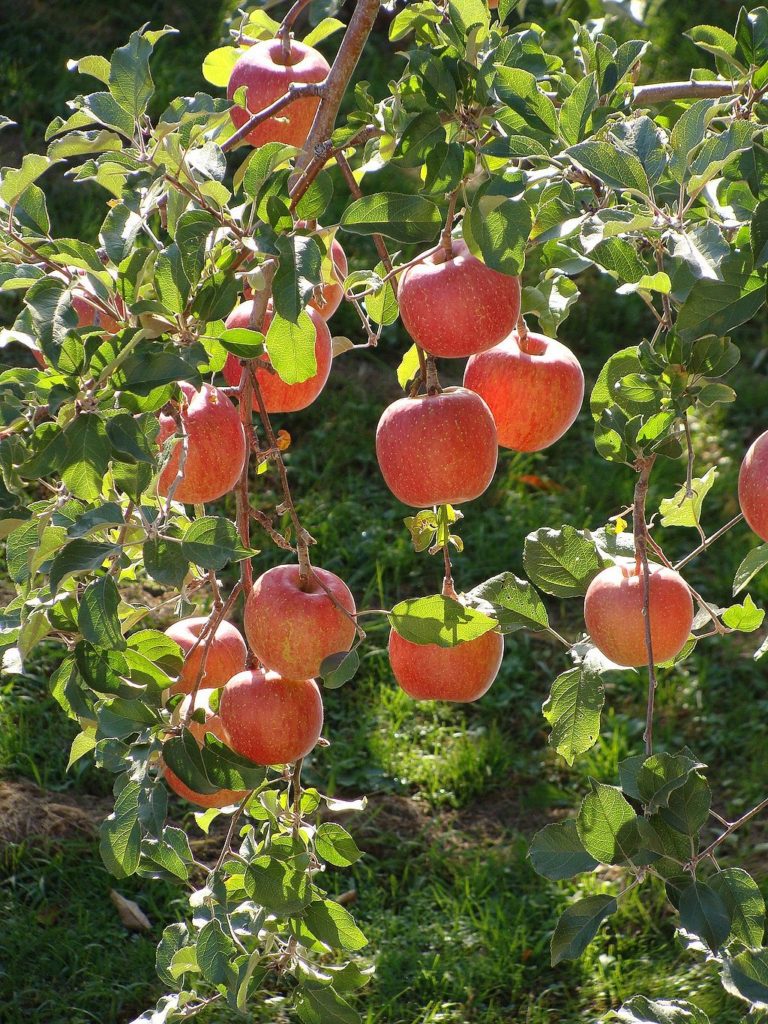
Apple – Malus domestica

Small, medium, large spaces. Edible, deciduous

An apple tree is an aesthetically appealing addition to any garden. They have a lovely structure and will provide a nice dappled shade in a smaller space. Spring transforms apple trees into a mass of pale pink and white blossoms that attract a multitude of pollinators. In addition, they will also provide a food crop. Unlike peaches, apples are not as affected by lower chill hours and most varieties grow well here in the Phoenix area. Varieties that are well-known to do particularly well in our desert climate are Anna, Golden Dorset, Ein Sheimer, Fuji, Beverly Hills, and Gala. Consider harvesting times for the varieties that are of interest. It is important to choose a variety that is self-pollinating if there is only space for one tree. However, having one tree does not necessarily mean a gardener is limited. Multiple varieties can be grafted onto a single tree. Note, in-ground apple trees can reach a height of 50 feet. Apple trees also grow well in containers. Prune to maintain desired size or purchase of dwarf rootstocks.

Image credit: Aomorikuma [CC BY-SA 3.0]
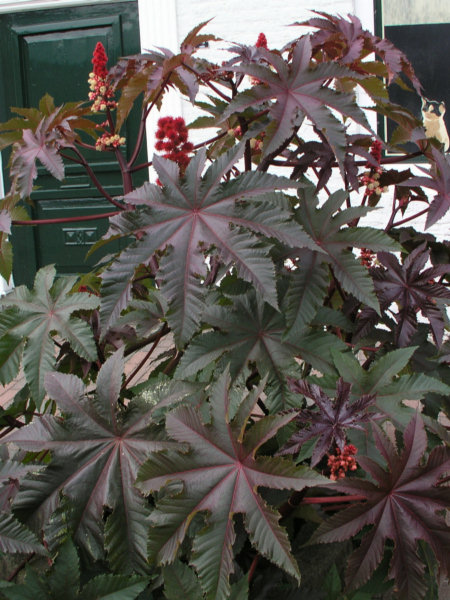
Castor Bean – Ricinus communis

Small, medium large spaces. Perennial flowering bush

The Castor bean is polarizing among desert gardeners. Some love that it is a very fast growing perennial that can reach 10-feet from seed in a single summer. It will die back in the winter if not protected. In addition, the plant and especially seeds, while lovely in appearance, are poisonous. They are easy to remove though, to protect children and pets. 

Image credit: Evanherk [CC BY-SA 3.0]
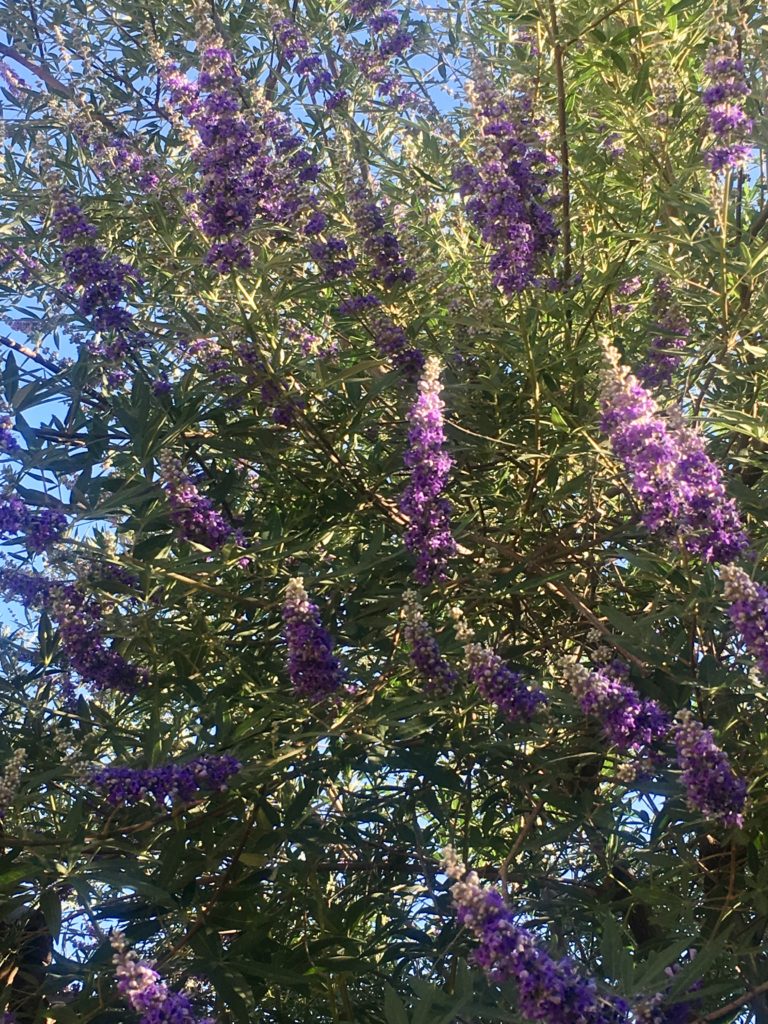
Chaste Tree – Vitex agnus-castus

Small, medium, large spaces. Medicinal, Ornamental, Deciduous

Also known as Vitex, the Chaste tree is a very drought tolerant large shrub that can also be grown as a small tree. It is a fast grower with very attractive foliage that has a pleasant clean scent. It grows 10-20 feet tall and has a wide spreading habit. It produces a mass of purple blooms in late spring and is a magnet for pollinators. Chaste trees have a smaller re-blooming period in September and are available with purple or white flowers. Pruning helps to maintain a smaller size in small yards or pots.
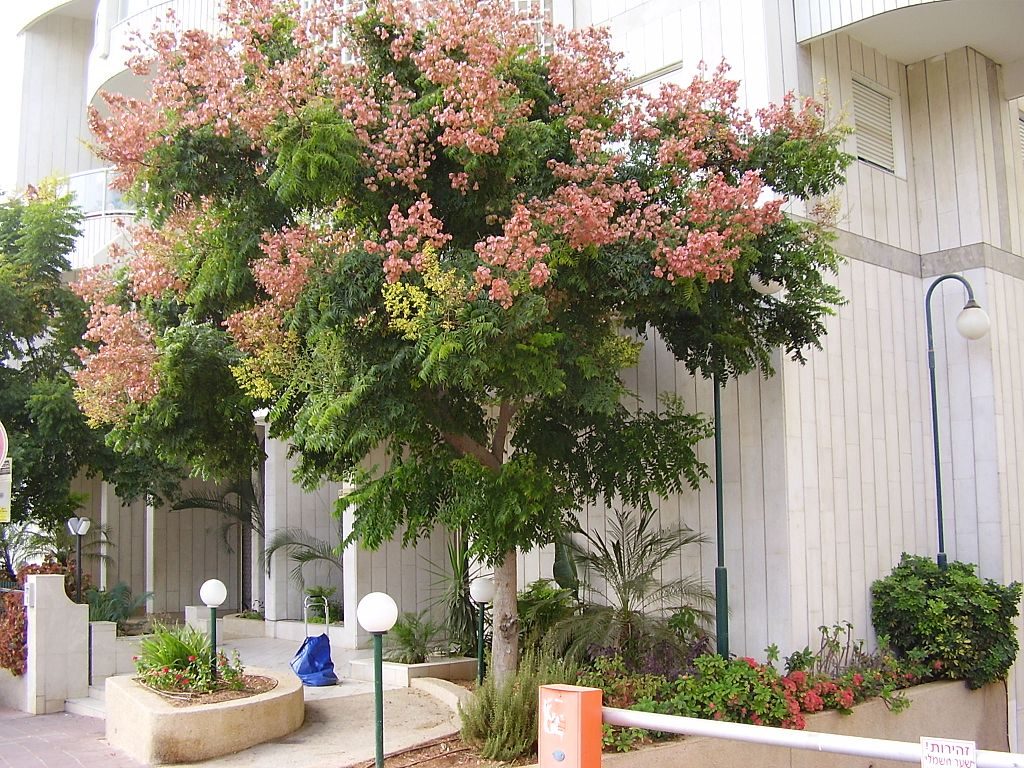
Chinese Flame Tree – Koelreuteria bipinnata

Large spaces. Ornamental, deciduous

This interesting tree grows to 20-50ft tall but needs to be actively pruned when young to encourage an appealing shape. It grows well on flood irrigation and is tolerant of nutritionally poor clay soil. The Chinese flame tree boasts lovely lantern-like flowers and seed pods reminiscent of bougainvillea flowers.

Image Credit: avishai teiche [CC BY-SA 3.0]
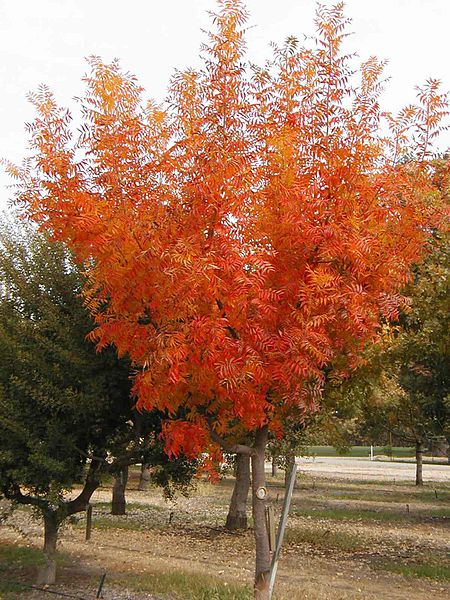
Chinese Pistache – Pistacia chinensis

Medium, large spaces. Ornamental, deciduous

Probably the best feature of the Chinese pistache is its changing fall foliage – something we miss here in the low desert. This is a stunning tree with beautiful foliage irrespective of the time of year. It is very drought and heat tolerant, and also pest resistant. There are several cultivars and hybrids with some differences. Sarah’s radiance gives consistent red fall color. Red Push Pistache has a distinctive red new foliage growth. The Chinese Pistache averages 25-40 feet tall and the crown is 25-35 feet wide.

Image Credit: Ayacop [CC BY-SA 3.0]
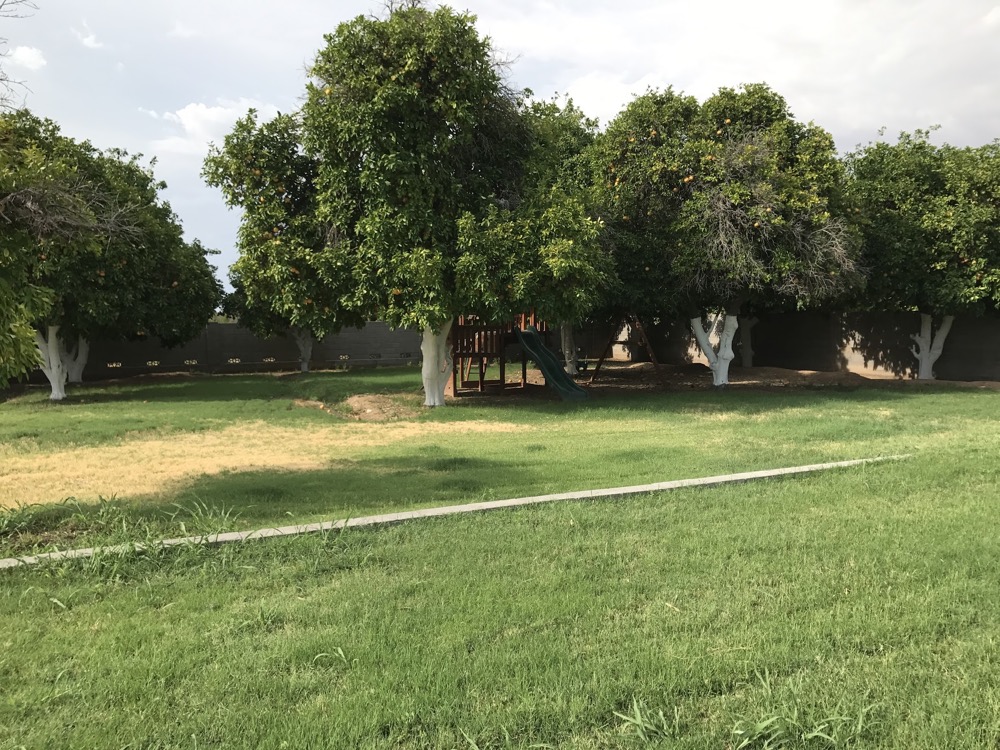
Citrus – Citrus

Small, medium large spaces (variety depending). Edible, evergreen

Mature citrus trees can range 20-25 feet tall and 20 feet wide. Size can be maintained with pruning. Dwarf varieties will grow 10-12 feet tall and 16-18 feet wide. We recommend getting citrus on the correct rootstock for our desert soils. If planting in-ground, purchase trees that are specifically on Seville Sour Orange rootstock, or Carrizo for healthy trees. If potted, a wider range of rootstocks is acceptable because you can better control for drainage and soil quality.  For small spaces, Flying Dragon is a dwarf rootstock that works well, with some specific care. Kumquat, lemon, and tangerines make excellent potted trees. For in-ground planting, any citrus of choice will work. Other varieties can also be grafted onto a single tree. Keep in mind, some citrus varieties are more cold or heat tolerant than others. Lemons and limes are the least cold hardy and limes are also more sensitive to the extreme summer temperatures, requiring some shade. Therefore, limes may not be the best option for a shade tree. Mandarins and tangerines are the most cold-tolerant. 
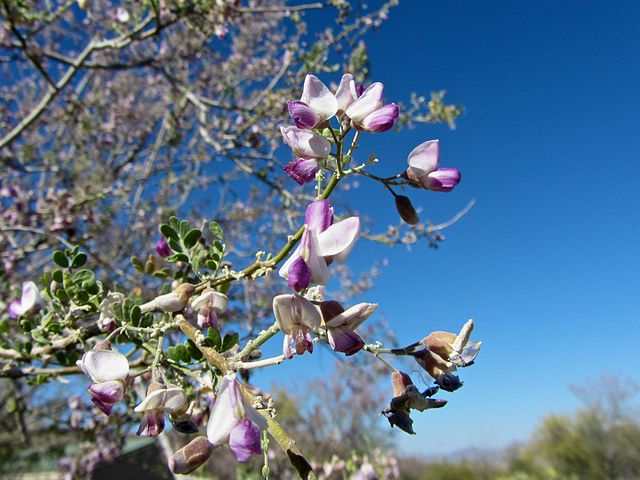
Desert Ironwood – Olneya Tesota

Medium, large spaces. Ornamental, Edible, Evergreen

Ironwood blooms profusely in the spring providing food and habitat for a variety of wildlife. This is a nitrogen fixing tree with pink blossoms that resemble pea flowers. It is very easy to maintain and extremely drought tolerant yet slower growing. It grows to a height of roughly 30 feet and the canopy spreads about 30 feet wide. This is an important native food crop tree, both the flowers and seed pods are edible. Despite being an evergreen, it will drop leaves in extreme drought, cold or before blooming.

Image Credit: Ken Bosma from Tucson, Arizona, USA [CC BY 2.0]
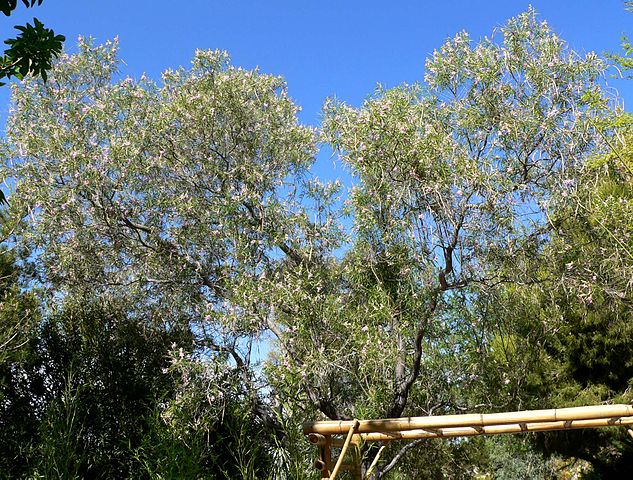
Desert Willow – Chilopsis linearis

Small, medium, large spaces. Ornamental, deciduous

This fast growing deciduous tree is both extremely heat and cold hardy. It is a large, multi-stemmed shrub that can be trimmed as a tree for a smaller space. Desert Willows bloom often providing good color for desert gardens. Bloom colors range from white and pinks to burgundy. Desert Willow will attract hummingbirds, butterflies, and bees.

Image Credit: Stan Shebs [CC BY-SA 3.0]
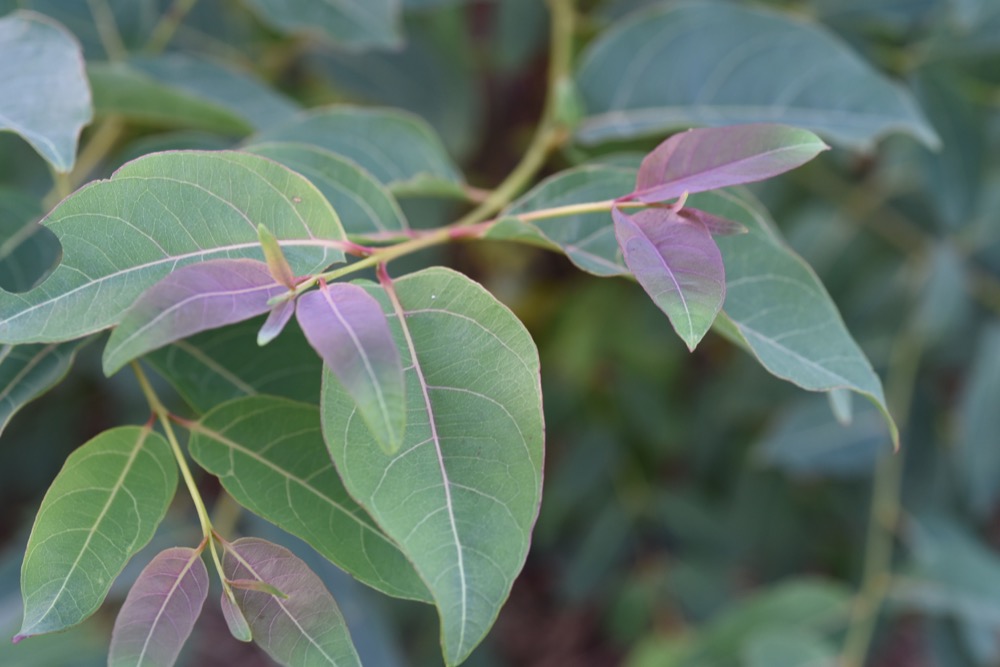
Eucalyptus – (over 100 varieties)

Large spaces. Ornamental, frost deciduous

One of the tallest trees you can grow here, Eucalyptus or gum trees are best left to large properties. Native to Australia, there are over a hundred beautiful, unique varieties including the Rainbow (Eucalyptus deglupta), which has colorful peeling bark. There are several cautions when growing Eucalyptus that may or may not outweigh the benefits. The brittle branches are prone to falling unexpectedly, so do not plant near houses/structures. In addition, the leaves are high in a compound that prevents them from being broken down by fungi, so leaf litter can pile up and remain dry.
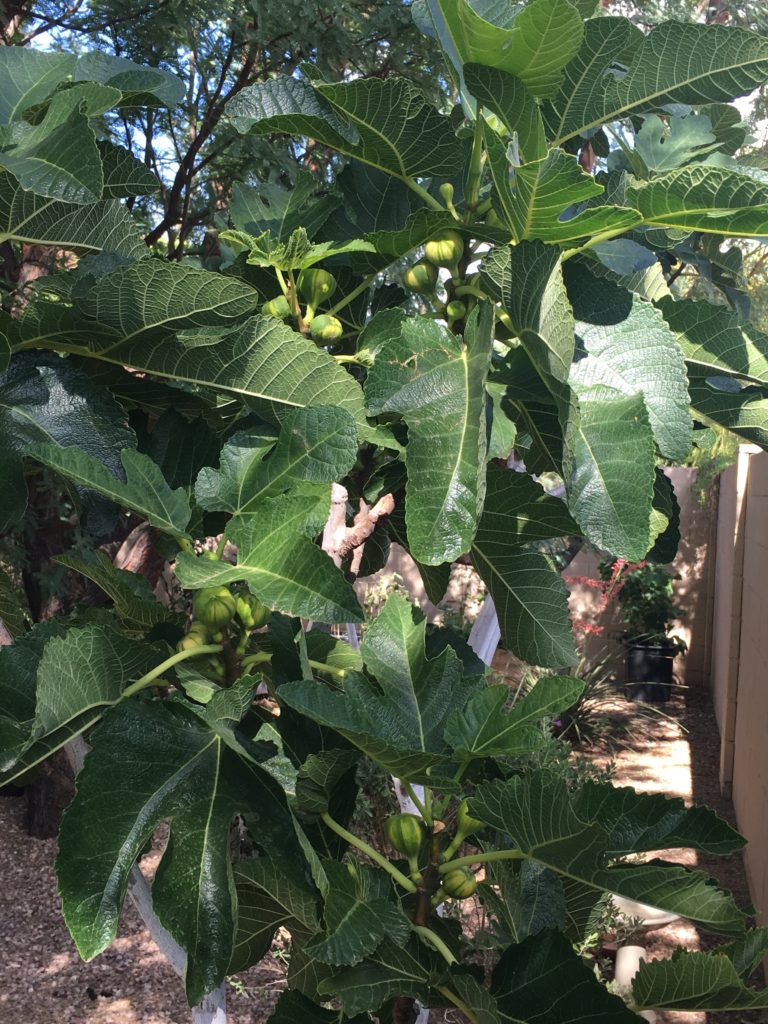
Fig – Ficus carica

Small, medium large spaces (variety depending). Edible, deciduous

A fig tree is perfect for the desert climate. The leaves have a beautiful structural shape, the trees are hardy and handle our heat well, and, of course, they provide an abundance of delicious figs. Figs do well in containers too and therefore, are a good option for a small space. Picking the right variety for a space, however, is important. Some varieties are vigorous growers and best in a large space, such as Black Mission, Black Jack, Kadota, and Brown Turkey. Slower growing less vigorous varieties like Tiger Panache and Violet De Bordeaux are better suited to smaller spaces.  As with apples, gardeners are not limited to one variety, as multiples can be grafted onto a single tree. Common backyard varieties are all self-fruitful.
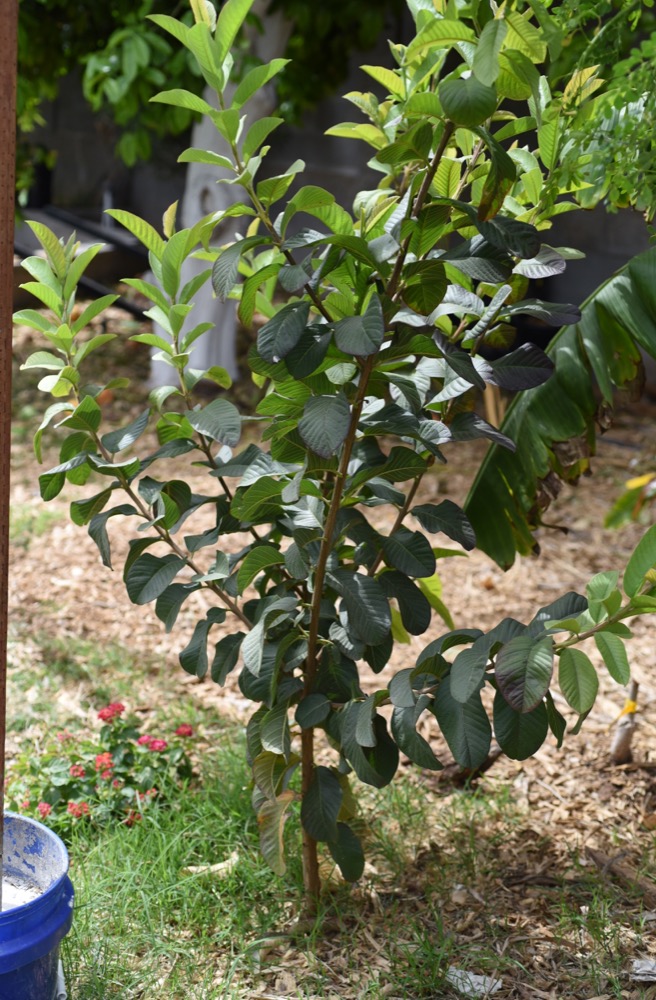
Guava- Psidium guajava

Small, Medium, large. Edible, evergreen but defoilates in temperatures below 35 degrees

Guava is a common fruit tree with desert gardeners, especially among those who enjoy growing tropicals or who are building a food forest. Guava trees are appreciated for their beautiful form and tropical look. The Red Malaysian guava has attractive coppery red leaf growth. Trees can grow to about 20 feet tall, but also tolerate pruning to maintain a smaller size in smaller spaces. There are many varieties to choose from, yet Red Malaysian is often said to be one of the tastiest. Mexican cream, Strawberry guava, and Lemon Cream Tropic Pink are popular varieties to try. They are self-fruitful, do well with deep soaks of water, and are heavy feeders. 
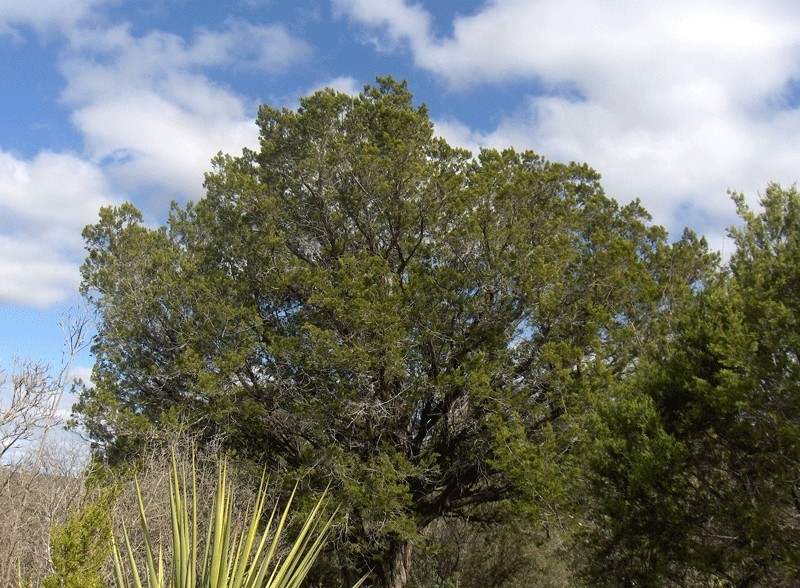
Live Oak – Quercus fusiformis

Large spaces. Evergreen, edible seeds

The Texas Live Oak is an appealing shade tree that is smaller than other oaks and more tolerant to dry conditions. It is somewhat slow growing compared to other options in the list, but does provide acorns, that can be used as a food source.

Image Credit: homeredwardprice [CC BY 2.0]
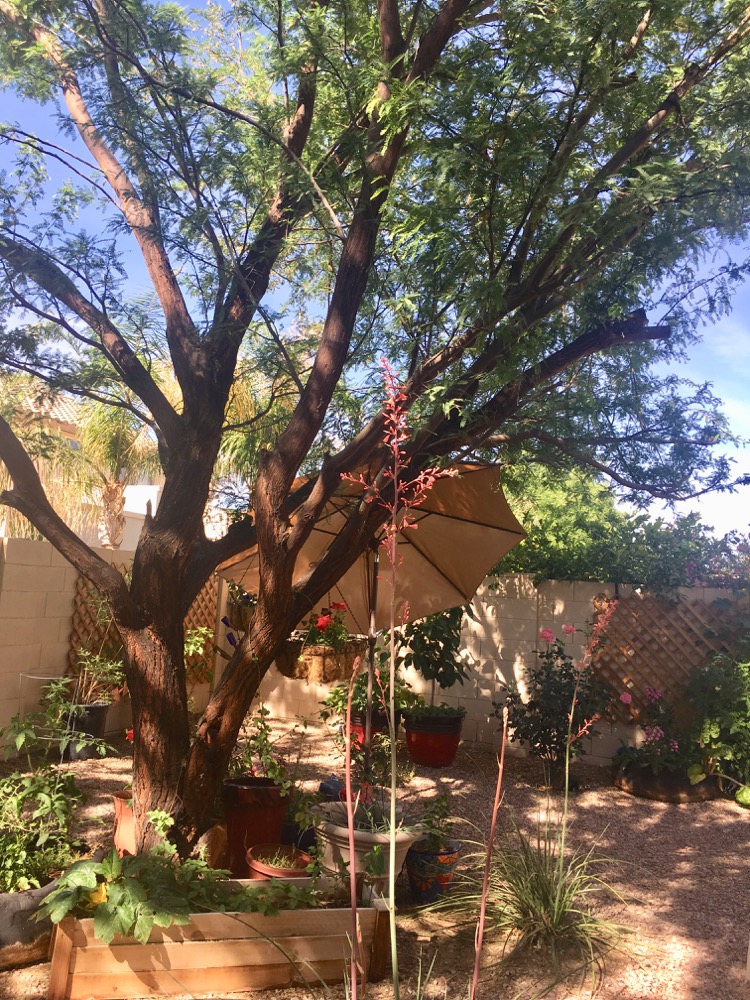
Mesquite – several plants in the genus Prosopis

Large spaces. Evergreen

The Mesquite tree is one of the few native nitrogen fixing plants to the desert southwest. There are several varieties that grow here with varying appearances. Seed pods are edible and, when dried, can be ground into a flour that tastes sweet. However, Mesquite are subject to diseases and uprooting/limb breakage when not planted or watered properly. Trunks also usually have thorns which provide habitat for native wildlife.  They have very vigorous roots and should not be planted close to structures.
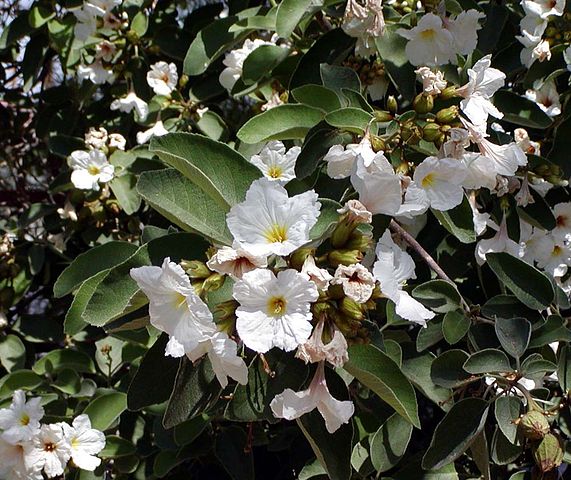
Mexican Olive – Cordia boissieri

Small, medium, large spaces. Ornamental, evergreen but, frost deciduous

This is a lovely ornamental tree that produces showy white flowers from spring into fall, even through our summer. The flowers are fragrant and attract an abundance of wildlife and the foliage is thick and dark green. As the trunk ages, it peels and becomes more ornamental. It is a drought-tolerant shrub that can be trained as a tree and will grow to 20 feet tall. However, it tolerates pruning to maintain a patio size tree. The Mexican olive grows at a moderate rate.

Image Credit: Stan Shebs [CC BY-SA 3.0]
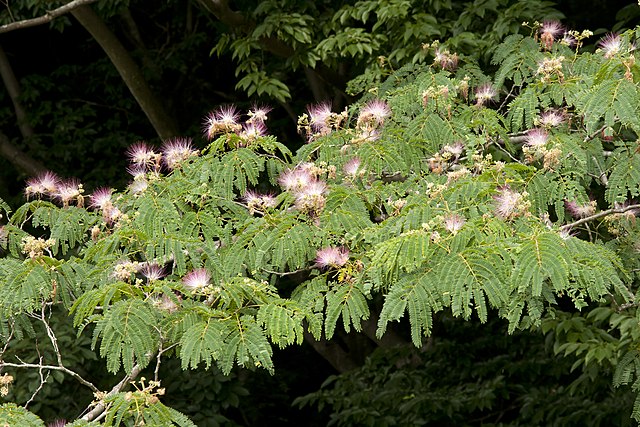
Mimosa – Albizia julibrissin

Medium, large spaces. Medicinal, deciduous

Mimosa is also known as the silk tree due to the stunning hot pink flowers that have a silk thread-like petals. This is a magnet for hummingbirds. The tree grows to a height of 25 feet and is very hardy and drought tolerant. The foliage is fern-like and provides dappled shade. It is fast growing and a nitrogen fixer.

Image Credit: Σ64 [CC BY 3.0]
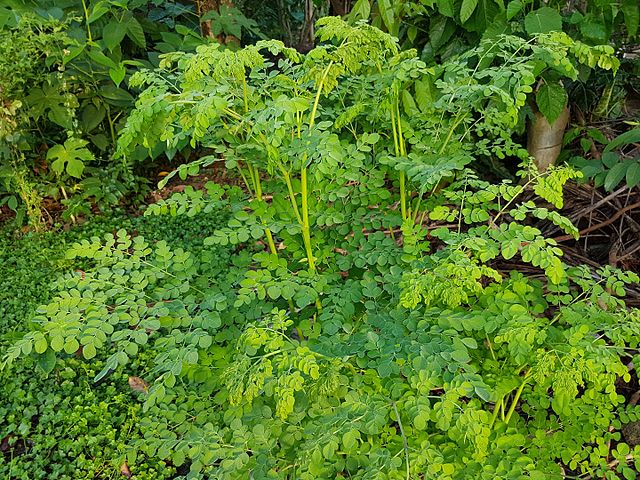
Moringa- Moringa oliefera

Medium, large Edible, evergreen

Moringa is not native to our desert conditions but has proven to be a valuable shade provider. It is a very quick grower and, once established, does not need much water. The leaves, flowers, and green seed pods are edible, and the tree is valued for its health boosting properties and high protein and vitamin content. Moringa is a nitrogen fixing tree. It can be cold and frost sensitive in winter, and can drop its leaves and even freeze back to the ground. However, it normally sends up new growth once temperatures start to warm up. Grow in a large pot in small gardens to control roots. Moringa are easy to grow from seed in a pot or directly in the ground (which does not damage the taproot). 

Image Credit: Obsidian Soul [CC0]
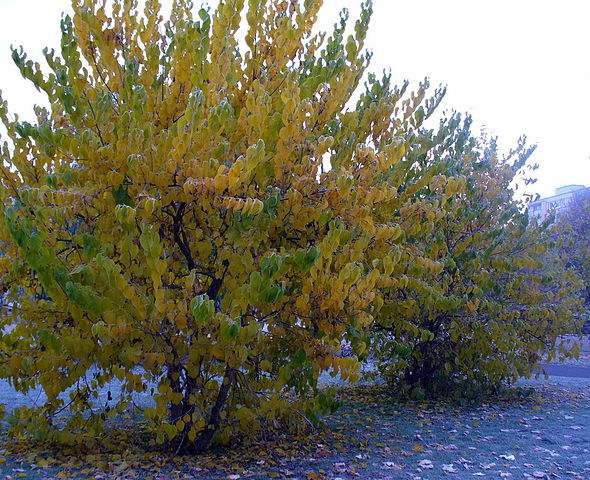
Mulberry – Morus nigra

Small, medium, large spaces. Edible, deciduous

Mulberry trees are fast growers here in the low desert and have very vigorous root systems. Research any variety well before planting. The dwarf ever-bearing is the best option for a small yard and will grow to a height under 10 feet. A variety such as the Pakistani is best grown on a very large property. Other popular varieties are the Shangri La, white mulberries and the weeping mulberry. Different varieties have different flavors: the Pakistani is syrupy sweet, the Shangri la is slightly tart, and the white mulberry flavor is reminiscent of honeydew to some. 

Image Credit: Magdalena Šajinovićová [CC BY-SA 3.0]
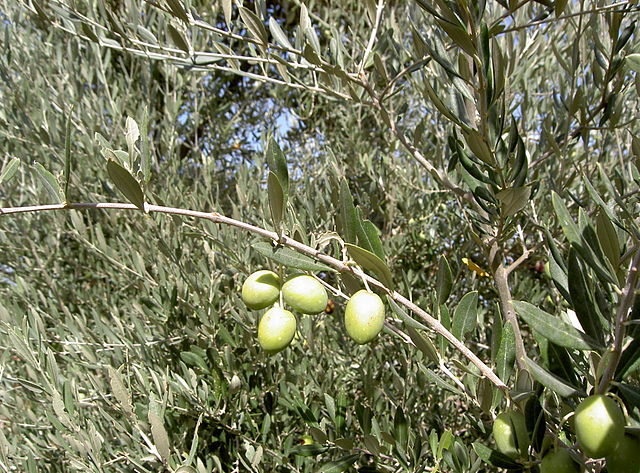
Olive – Olea Europaea

Medium, large spaces. Ornamental, edible, evergreen

Besides the lovely structure of the tree, the attractive silvery foliage also makes this a popular landscaping plant. They grow rapidly and will provide olives to the backyard gardener.  Arbequina and Mission are popular varieties to consider. Olive trees can also be maintained in very large pots for the Mediterranean feel. Pay attention to local codes and HOA rules for regulations on fruiting olives, since the pollen is highly allergenic. 

Image Credit: Alexander Bergmann
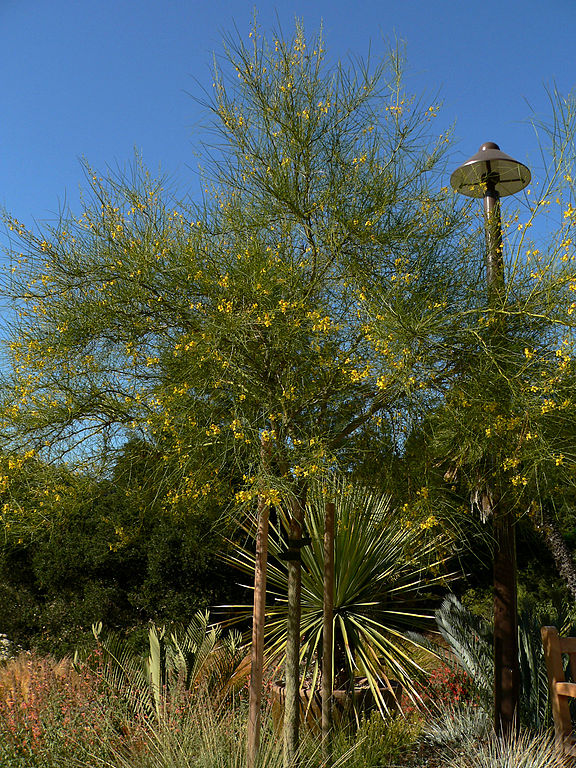
Palo Verde – Parkinsonia aculeata

Large spaces. Ornamental, Edible, drought and cold deciduous

Palo Verde is a desert highlight each spring when it is covered in masses of yellow blossoms. However, it requires deep watering and lots of space. Incorrectly maintained/watered Palo Verde often suffer from significant limb damage or are completely uprooted during monsoon storms. These trees are best grown on flood irrigated properties, where they receive adequate deep watering and can be grown far away from buildings and structures. Palo Verde trees drop leaves during the worst of the heat and dry conditions. During this time, they will provide a very light dappled shade. Palo Verde is a nitrogen fixing tree, and also an important food crop for Native Desert dwellers. The flowers and pods are edible, with some varieties tasting better than others. There are several different varieties of Palo Verde, research before deciding on the best one for your property.

Image Credit: Stan Shebs [CC BY-SA 3.0]
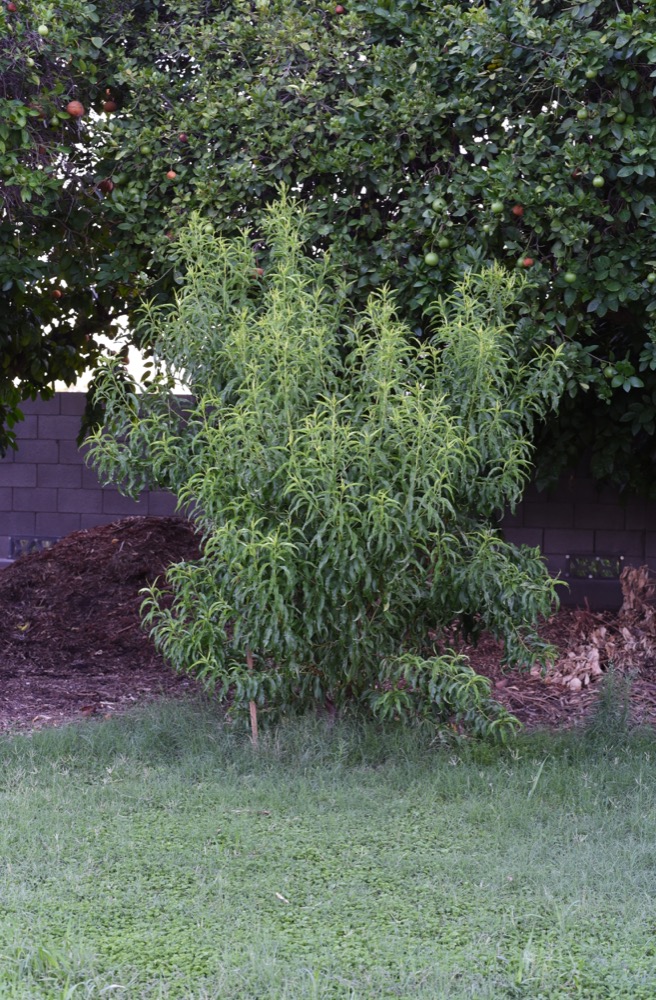
Peach- Prunus persica

Small, Medium, Large spaces. Edible, deciduous

The peach tree is a favorite addition to the desert garden. It is an easy deciduous tree and size is easily controlled by pruning. In addition, there are dwarfing rootstocks.  Different varieties will ripen at different times of the year. Pick varieties that are low chill for better production. Desert Gold, Florida Prince, Early grande, and Mid Pride are some popular varieties grown in warmer climates. Protect ripening fruit from the birds with organza bags. 
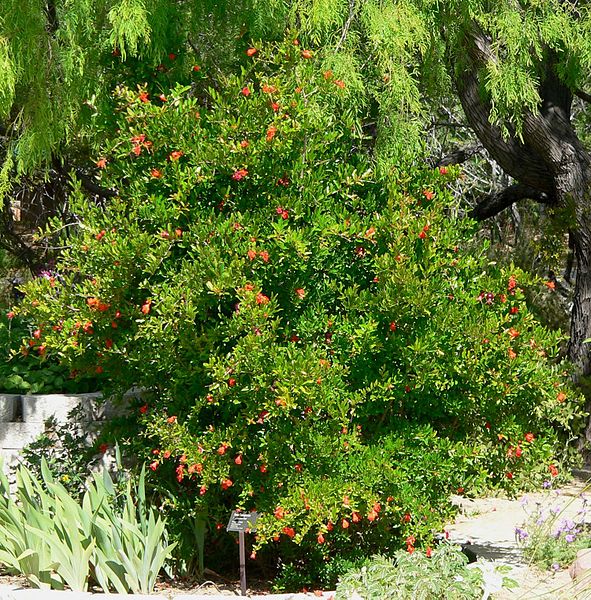
Pomegranate – Punica granatum

Small, medium, large spaces. Edible, deciduous

Pomegranate trees grow very well in the desert and there are several tasty varieties, such as Parfianka, Desertnyi, Eversweet, Wonderful, and Angel Red to name a few. Pruning will help maintain a smaller tree. The bright orange blossoms in spring attract pollinators and hummingbirds. Unfortunately, pomegranate trees can also be plagued by leaf footed bugs. A dormant oil is helpful in winter to help control pests and fruit should be bagged in organza bags to protect them from birds and leaf footed bugs. 

Image Credit: Stan Shebs [CC BY-SA 3.0]
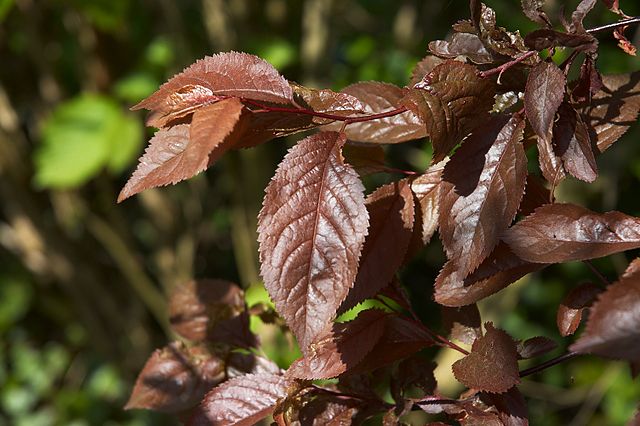
Purple Plum – Prunus cerasifera

Small, medium, large spaces. Ornamental, deciduous

This ornamental plum specimen provides strong color and interest in the garden. It is deciduous adding a good skeletal structure to the winter garden. In spring, it gives way to a profusion of white blooms followed by a rich burgundy leaf that lasts through the summer.

Image Credit: Wouter Hagens [Public domain]
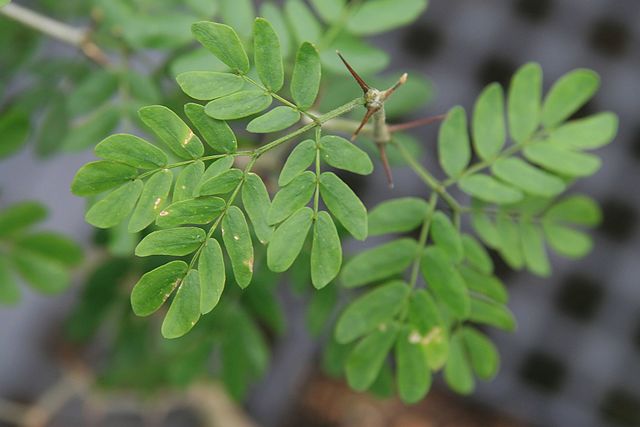
Texas Ebony – Ebenopsis Ebano

Small, medium, large spaces. Edible, ornamental, evergreen with sufficient water

Texas Ebony is a very slow grower that will provide a dense shade. It is however a beautiful tree and works well in a small space due to this slow growth. They reach a height of 25 feet tall with 20 foot wide canopy. It requires little pruning. The Texas Ebony does have thorns, but the white puff ball like blossoms attract bees. Texan Ebony, while a low use water plant, will drop leaves if water is insufficient, and is deciduous if temperatures are below 25F. It is a nitrogen fixing tree that blooms in mid spring and mid fall, and will produce edible seed pods. Seeds are used in jewelry making and can be ground for a coffee substitute. The wood is esteemed for quality woodworking.

Image Credit: Photo by David J. Stang [CC BY-SA 4.0]
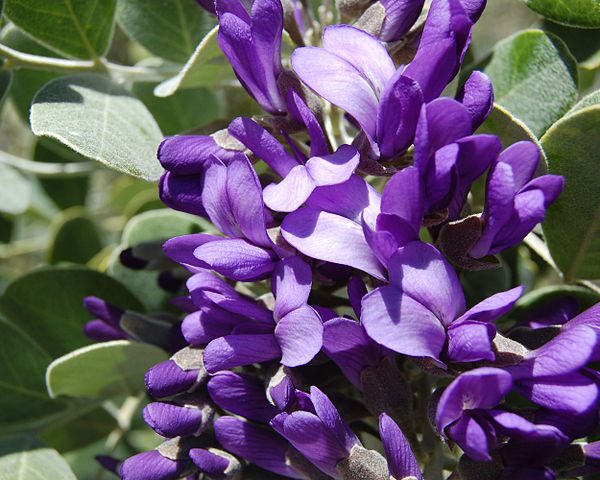
Texas Mountain Laurel – Sophora Secundiflora

Small, medium, large spaces. Ornamental, evergreen

Texas Mountain Laurel is the desert equivalent of lilacs. The deep purple drooping clusters of  blooms in early spring are very fragrant. Most liken the fragrance to grape bubblegum. This is a slow growing shrub that provides a deep shade. It will grow to a height of 15-25 feet tall and 5-15 feet wide. It is drought tolerant, requires a small amount of pruning, and is a nitrogen fixer. Please note that the seeds are poisonous. 

Image Credit: Kretyen at Flickr [CC BY 2.0]
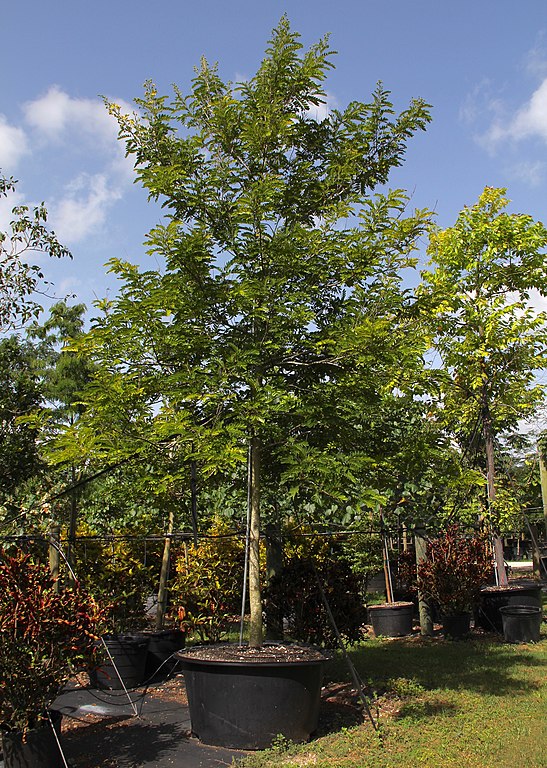
Tipu Tree- Tipuana Tipu

Large spaces. Ornamental, semi-evergreen

This is another nitrogen fixing tree, also known as the Pride of Bolivia. It has a gorgeous umbrella-like canopy and reaches about 35 feet in the desert. It does require plenty of water in the summer to prevent sunburn. It is best grown on a large property, preferably with flood irrigation. In early summer, it produces a yellow/apricot pea shaped flower that attracts beneficial insects.

Image Credit: Treeworld Wholesale [CC BY 2.0]
Category: Tips and Tricks

Choosing the Right Amendments for your Garden

July 17, 2019 //  by jessica.m.ricco@gmail.com//  4 Comments

Perhaps one of the most overwhelming and confusing areas of gardening is knowing what amendments to use in your soil so that plants can get the nutrients they need. The first step to choosing the correct amendments is understanding the basics of soil.

You can read our soil article here. 

All plants need Nitrogen, Phosphorus and Potassium, also known as N-P-K on purchased amendments. Plants also require several other minerals to prevent nutrient deficiency. Some plants are referred to as heavy feeders, meaning they need a lot of N-P-K to be healthy and productive. Examples are corn, squash, and citrus. Depending on what you are growing and what time of year it is, plants could require different amendments. The key however, is always to build healthy soils so that a range of nutrients is available to all plants when needed. 

Why are Amendments Needed?

Planting in native desert soil has its advantages and disadvantages. Native soils are really rich in minerals, so you will not have to add any mineral-rich amendments, unless a soil test indicates otherwise. However, native soils are very alkaline and you may need to add amendments to adjust the pH, or help leach away salts. In addition, native soil has little to no organic matter and you therefore must add composts and mulches. 

In containers, plants have access to a limited amount of soil and nutrition. Therefore, adding amendments is necessary to supplement nutrition. Compost teas and fish fertilizers are great to add occasionally, but they are only good for one watering. Having a slow release organic amendment is also necessary to continually feed the soil.

AMENDMENTS FOR EVERY SITUATION

Fruit Trees

Fruit trees will require a lot of nourishment. If planted in the desert clay, they will have access to all the minerals needed. However, extreme heat or even cold will affect a plant’s chemistry, sometimes making it unable to take up iron. This shows itself in the form of chlorosis. It is very common in citrus trees and shows up as a light leaf with dark veining. Chlorosis is common in winter, but we also see it in summer when high temperatures cause compacted soils and salt build-up due to more frequent watering. Most add chelated iron to address this issue, but we feel that is a band-aid.

Instead, we prefer using humic Acid. It changes soil alkalinity, makes clay soils more porous and aerobic, and improves drainage. This allows for better uptake of nutrients including iron. 

Our friend, Tony Sarah is a horticulturist and soil specialist and shared this information with us regarding humic acid: 

Humic and fulvic acids are both the end result of biodegradation of once living organic matter. Generally this is referred to as humic substances. 

The large difference between the two is that fulvic acid is yellow to yellow-brown in color and is soluble in water in all pH ranges and remain in solution after all of the humic acids have been removed. 

Humic acid is that portion of humic substances that are only made soluble in alkaline conditions and is insoluble in acid environments. 

Now that we have that out of the way, you may have difficulty finding fulvic acid since the state of California does not recognize a difference between the two, even though there obviously is a difference. As such, fulvic acids tend to be sold under different names, so check with the companies website as they will say what is what. 

There are different sources of these from around the world and are most commonly referred to as Leonardite. These were formed in salt water from reeds and grasses during the carboniferous period. These tend to be more closely related to coal and slack lignite. 

Others were formed in fresh water during the cretaceous period and may have better biostimulant action. 

Both may aid in neutralizing both acid and alkaline soils while making iron, zinc and other trace nutrients available in alkaline soils. Some humic acid products have many of the trace nutrients added to them. 

These acids are reported to have a high Cation Exchange Capacity, CEC.

Compost and mulch are appreciable amendments. We recommend adding both 3 times a year. Early spring (February), as trees are starting to put out new growth, May, just before the summer heat and, again in September or October. Worm castings are also a great addition. Organic amendments can be added regularly, except while some trees are dormant from November to January. In containers, amendments should be added once a month.  We like Bio Fish, which has a high nitrogen and phosphorous rate (7-7-2). Additionally, neem meal is another slow-release nitrogen source that benefits plant health. Liquid seaweed, kelp meal or any potassium-rich organic amendment should also be added monthly, as potassium helps plants cope with extreme weather conditions, whether too hot or cold. 

Not all trees have the same nutritional requirements and for successful growing it is important to know the needs of the particular tree you are planting. This especially applies to tropical trees, which generally require less nitrogen than most. Mangoes for example require more magnesium and less nitrogen.

Vegetables

The best practice for adding amendments to vegetable beds or containers is to do it at the beginning of the planting season. Typically, we can plant 3 different seasons of crops: spring, monsoon, and fall. Compost and worm castings are always good additions. Liquid seaweed or kelp meal are good for all vegetables to help with strong root systems and resilience in different weather. Neem meal and Bio fish also help productivity. The addition of bat guano not only adds phosphorus needed for flowering and fruiting, but also controls nematodes and makes plants more resilient to thrips. Depending on what kind of vegetables you are growing, you should adjust your amendments accordingly. Here’s a quick guide to help.

Green leafy vegetables

Neem Meal, to supply slow release of nitrogen.

Brassicas

Bio Fish, provides both nitrogen and phosphorous for these heavy feeders. Use Bio Fish for cauliflowers, broccoli, and brussels sprouts. Use neem meal for kales, cabbages, and arugula.

Root Vegetables

Root vegetables prefer not to have too much additional nitrogen. Seabird guano high in phosphorus is a must for tasty, big tubers. Always add before planting and supplement midseason. Garlic however, will require nitrogen and bio fish should also be used.

Beans and Peas

Contrary to popular belief, these do require some nitrogen. Most beans are poor nitrogen fixers. Those that are good nitrogen fixers are cowpeas, tepary beans, favas and lima’s. Neem meal will provide some slow-release nitrogen and has helped prevent thrips at Solitary Bee Gardens. Bat guano will provide phosphorus for prolific flowering and fruiting.

Squashes, Melons, Cucumbers

Bio Fish, neem meal and bat guano are all good amendments for these heavy feeders.

Okra

Also a heavy feeder. Bio Fish, and bat guano are beneficial additions.

Eggplants

Prone to attacks from whiteflies in fall and spider mites during the hot dry summer months, bat guano and neem meal help with these issues. Bio Fish can also be used. 

Peppers

Bio Fish.

Tomatoes

Bio Fish, Neem Meal and, bat guano can all be used for healthy plants and prolific fruiting. Tomatoes do not like changes in weather, use liquid seaweed to help cope with swings in temperature and late spring heat. 

Acid-Loving Plants

For acid-loving plants like berries, and roses, cottonseed meal can be added to amend pH and provide nitrogen to soils. The use of citric acid works for quick pH changes especially for large  citrus trees. Sulfur works for more of a slow release application. 

A QUICK LOOK AT OUR FAVORITE AMENDMENTS

Compost: This is one of the best all-round amendments you can add to your soil. We like to add compost before planting our crops for a new season. Typically, this is early spring and fall. We pull back the mulch and add a layer of compost. Even a very thin 1/3 inch layer will benefit the garden greatly. Homemade compost is best, but a good quality purchased compost is also fine. For very large areas, compost teas are cost effective and still add excellent fertility to soils.

From the Kitchen: Kitchen scraps are wonderful free amendments that can be added any time of the year to any plant in the garden. They encourage soil life and add to the richness of your garden beds. We add all vegetable peelings (be careful with potato and sweet potato if you do not want them growing everywhere), ground-up eggshells, coffee grounds and filters, banana peels and any vegetative waste from cleaning vegetables and fruit. Leftover tea, wine, beer, kombucha/scoby, milk, and kefir grains are other additions. Molasses is often used in compost teas, and even old spices can be tossed into the garden.

Green Manures: Green manures seem to be under-utilized by desert gardeners. However, it is an excellent way of adding fertility to new soils, or even to boost older garden beds and tree wells. If you prefer not to garden h in the summer, a cover crop of cowpeas/black-eyed beans makes an excellent green manure. Before they start setting pod, chop and drop,  and cover with mulch. 

Matt Powers, Permacuture Educator and author of several books does a blend of daikon, orange giant amaranth, mennonite sorghum, buckwheat, and cowpeas. He calls it the five cousins and it is his recipe for making soil and healing the land. He states that the cowpeas add nitrogen and biomass. Buckwheat accelerates cowpea nitrogen fixation and growth, and adds trace minerals and nutrients. In addition, it can access inaccessible pools of phosphorus in the soil. Daikon radish acts as a biological tiller and deep composter. Sorghum for C4 grass (warm climate grasses) function as biomass. Amaranth for bird and pollinator food and after a certain stage of leaf growth, they too, act as a C4 grass. 

Winter green manures to consider are Austrian Peas, fava beans, clovers, vetches and daikon.

Worm Castings: If you do not have soils that is already teaming with worms, worm castings will benefit every plant and improve soil structure.

Neem Meal: Our favorite go to for plant health. Neem meal benefits the earthworms, keeps plants healthy and adds a slow release of nitrogen. 

Bio Fish: This is another favorite go to for the addition of organic nitrogen and phosphorous. 

Mycorrhizal Fungi: Mycorrhizal fungi (in the form of granules or liquid) help almost all plants. They work by forming a symbiotic relationship with plant roots, expanding the plant root system, and enabling access to more nutrition and minerals. They also assist in making plants more drought tolerant. Brassicas however, form no relationship at all with mycorrhiza. 

Bat Guano: Herbivorous bats produce a guano high in phosphorus, while carnivorous bats produce guano high in nitrogen. We use bat guano as our source of organic phosphorus in our gardens. It also helps to control nematodes and keeps plants healthy. 

Langbeinite: This is a great amendment to have on hand for plants that need an extra boost of magnesium. It is beneficial to roses, container grown trees, citrus trees, eggplants, peppers and tomatoes. Also consider adding some to planting holes for tomatoes.

Liquid Seaweed or Kelp Meal: The addition of an organic potassium source throughout the season helps establish stronger root systems and hardier plants. In addition, seaweed contains so many micronutrients, minerals, amino acids and vitamins that benefit plants. Plants are less stressed and better able to cope with extreme heat. In the case of tropicals, there is more resiliency to colder temperatures.  It helps deter pests and diseases and promotes vigorous growth in plants. 

Ag-Mino: Ag-mino is a wonderful supplement for quick nitrogen source. It can burn plant roots though, so care should be taken to use as directed on the packaging. It works well as a nitrogen addition to new soils or when plants are showing signs of a lack of nitrogen. 

Category: News & Stories, Tips and Tricks

The Two Natural Amendments You Need to Give your Plants to Thrive this Summer

July 13, 2019 //  by jessica.m.ricco@gmail.com//  2 Comments

“You can’t grow anything in the summer.” This is a common misnomer you hear in the Phoenix-area low desert. But it’s just that, a misnomer! Plants have a remarkable ability to cope with stress and protect themselves if you provide the tools, particularly healthy soil. 

However, the extreme summer temperatures (which can reach over 115F/46C here in Phoenix) cause major heat stress for all but the most heat-loving or native trees or plants. Stress in the plant world basically means a deviation from normal growing conditions. When you think about it, we are growing most edibles outside of their normal growing conditions as tomatoes and mangoes and the like will not grow here on their own (without supplemental water, shade, and soil improvements).   

High summer temperatures don’t just impact us here in the Phoenix low desert, though. Backyard gardeners, commercial growers, and fruit tree hobbyists everywhere can benefit from these amazing amendments. 

So what is this magic plant elixir?

The first ingredient is

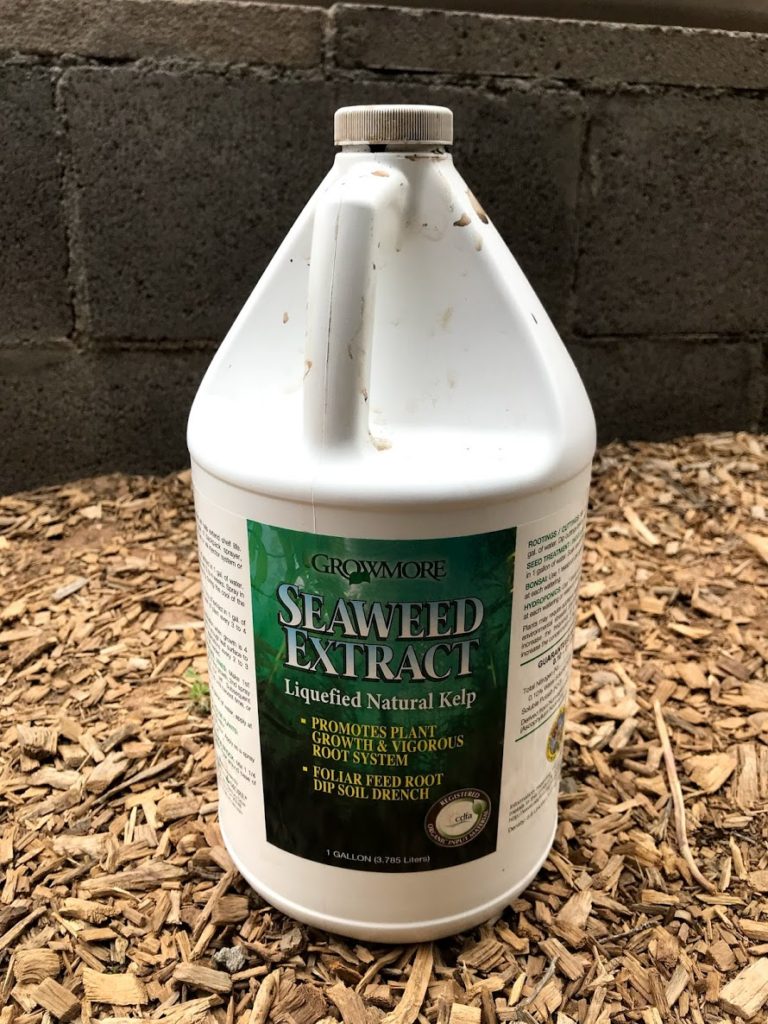
SEAWEED EXTRACT

Seaweed extract is basically liquified kelp and is considered a biostimulant. In addition to containing nearly every necessary readily-available (chelated) micronutrient, liquid seaweed also contains powerful plant hormones that help fight stress. Betain is one of the most beneficial hormones in the summer since it helps plants increase water uptake, particularly when under stress. The diverse polysaccharides stimulate root growth both directly and indirectly through soil microbial growth and also turn on a plant’s natural defenses to pests and disease. 

Seeds soaked germinate faster and have better root growth. Studies have shown that with the addition of seaweed extract: 

  • Grapes have higher sugar content 
  • Geraniums produce more prolific flowers
  • Cucumber yields increase up to 40% and suffer fewer issues such as softening

The second ingredient is

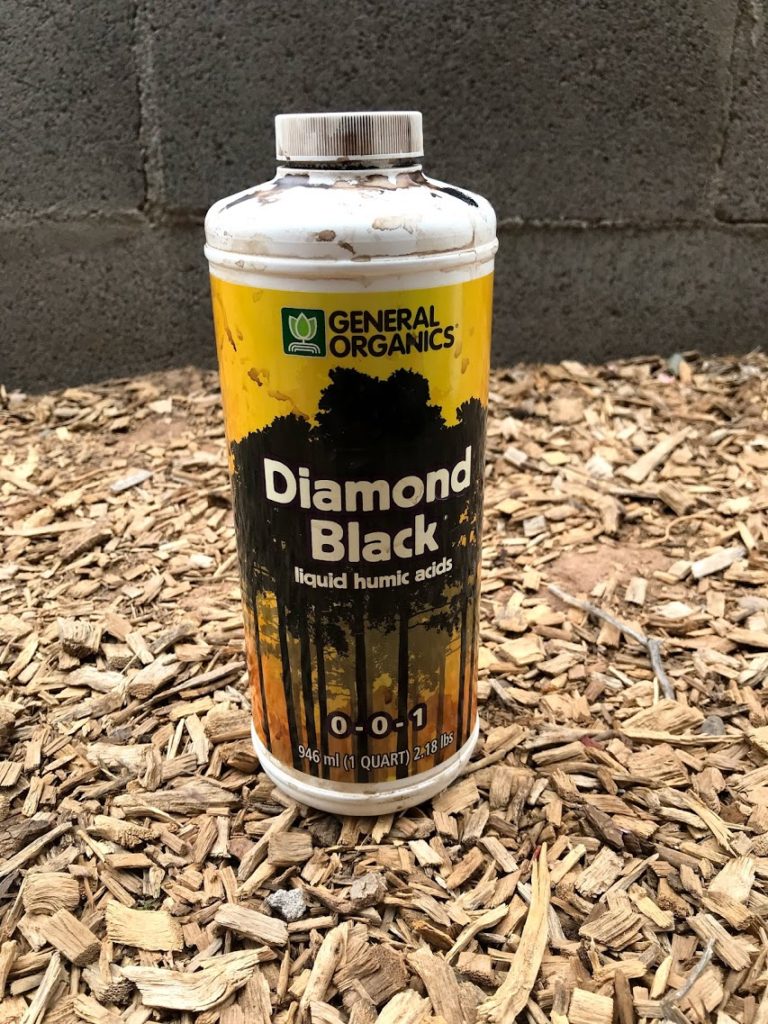
HUMIC ACIDS

Humic and fulvic acids are the final broken down/decayed form of organic matter and act as a medium by which nutrients and water are held and transferred from soil to plant roots. 

It is also completely decomposed, so it does not compete with your plants for nutrients/nitrogen the way compost does. Humic acids also have incredible longevity in soil, well beyond that of any compost. 

This is CRUCIAL in our dense clay soils because they are usually devoid of organic matter. Humic acids are harvested from large deposits in the Dakotas and a new one recently discovered in New Mexico.

Humic acids change the structure of soil both physically and chemically.

Physically, humic acids improve aeration of soil by loosening dense clay. This improves overall soil and microbial health and helps your soil retain water, increasing drought resistance

Chemically, humic acids optimize your plants’ ability to uptake nutrients, PARTICULARLY in highly alkaline situations like ours. It makes iron more readily available to plant roots, reducing chlorosis. Humic acids are also amazingly able to reduce the bio-availability of toxic substances in the soil.

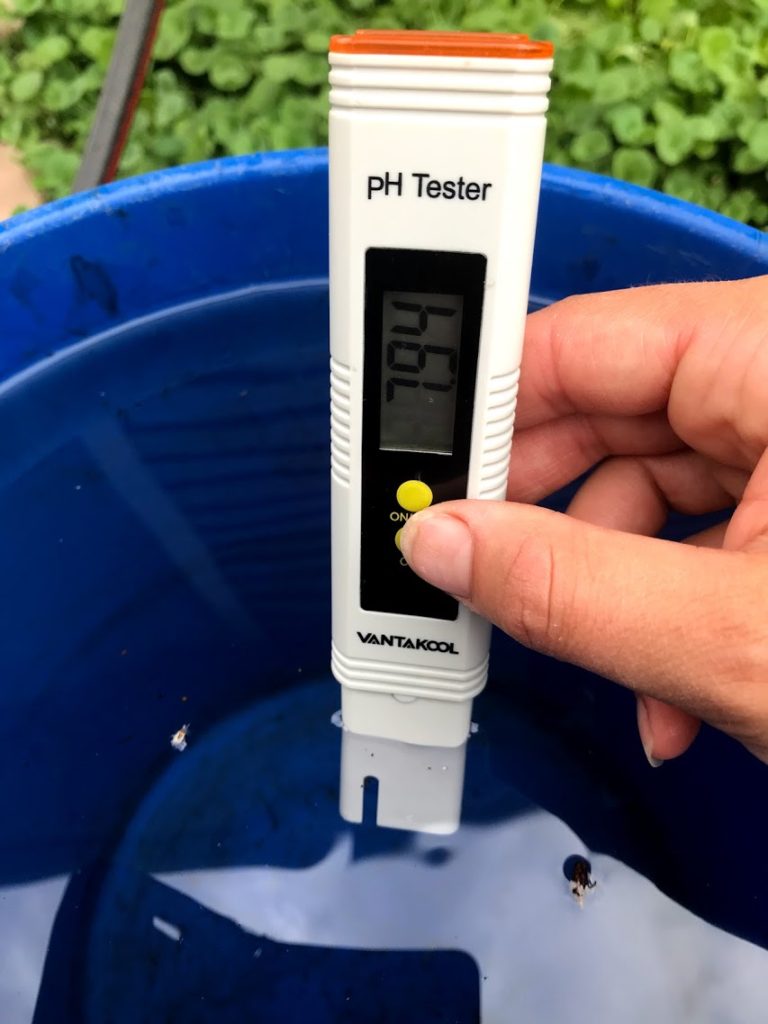
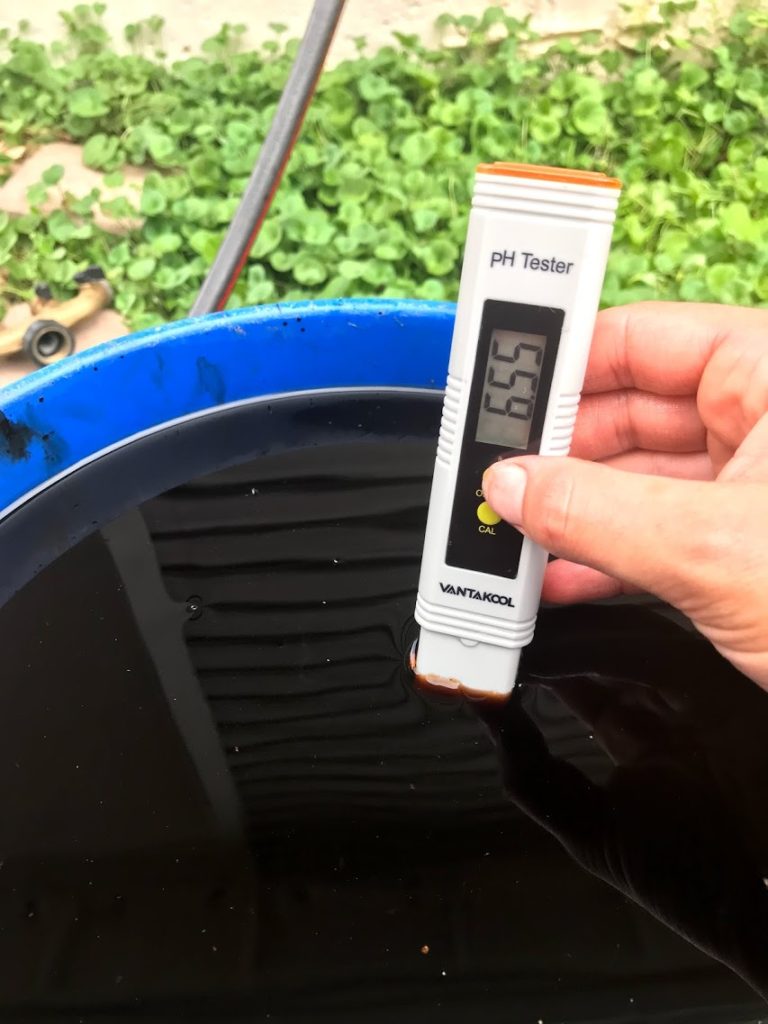
Another huge benefit of humic acid here in the low desert is their ability to neutralize pH. Standard hose water pH is highly alkaline (usually 7-8+). Adding humic acids reduces the pH to optimal/neutral levels for most tropicals and common vegetable garden plants (pH 6). 

Thanks to Robert Maloley for his insights into this important benefit of humic acids!

pH in a 5-gallon bucket of water prior to adding amendments

pH in 5-gallon bucket of water after adding amendments

Seaweed Extract and Humic Acids are 50% More Effective Together, and Ratio matters

According to a 10 year study conducted by Virginia Tech, the positive effects of each of these amendments is enhanced by 50% when used at a ratio of 5 parts humic acid to 2 parts seaweed extract. 

Take a 5-gallon bucket and add:

  • 5-oz of liquid humic acid
  • 2-oz of seaweed extract. 

Fill the rest of the bucket with water and add to your tree wells, vegetable gardens, and potted plants. 

To start, give 1 gallon of this mixture to each tree or large pot. For a garden bed (raised or in-ground), try spraying 1-5 gallons (depending on garden size) on the soil with a pump sprayer early in the morning. Alternatively, try running the undiluted mixture through an in-line irrigation fertilizer injector. 

The beautiful thing about both of these amendments is that they are natural and not actually fertilizers, so they cannot burn your plants. A little goes a long way, so start with roughly 1 gallon per plant and reassess after a week. You may find certain sensitive plants (such as avocados) benefit from a weekly application while other plants may only need a once-per-month application. You may also want to give this mixture more often in 110+ degree temperatures. 

Each time you apply, you are strengthening the long-term health of your soil and helping your plants/trees grow stronger, more resilient root systems. 

Twice during this past week of 110+ temperatures, I gave a gallon each to all of my mango and avocado trees.

Stay Cool!

Category: News & Stories, Tips and Tricks

Exploring Stinging Nettle

July 11, 2019 //  by jessica.m.ricco@gmail.com//  Leave a Comment

A few years back I started a journey with nettle. It was spring and I was having issues with allergies (like I do every spring). I also had a cough for months that would not go away, even though I was not sick. I started to take a nettle tincture to help with the allergies and mullein to ease the coughing. At the same time, I stumbled across Susun Weed and her nourishing herbal infusions. (More about that later.) 

Stinging nettle may be familiar to you as something to aid with respiratory issues like allergies. You may have also heard of the sting. This miracle plant is so much more. The leaves, flowers, roots, and seeds can all be used to help in different situations. 

The botanical name is Urtica Dioica, pronounced Er-ti-ka Die-oh-ee-kah. I find that most of these herbs have names related to what they do for us. In Greek, Uro means urine, and nettle benefits the kidneys and adrenals. Dioica comes from Di-iokos, meaning two houses. 

Nettle is nutritionally dense, providing minerals, vitamins, and protein.  Fresh nettle leaves can be used in soups, stews, made into pesto, hummus or even combined with cheese in ravioli. It’s difficult to find fresh Nettles in the U.S., but we can use the dried leaves or grow our own.

Here’s a quick overview of the nutrients in nettle:

1 quart of nettle infusion contains 

  • 1000mg of calcium
  • 760milligrams of vitamin K
  • 15000IU of vitamin A

In addition, there is blood building iron, B vitamins, memory enhancing zinc, anti-cancer selenium, immune-building sulphur, diabetes-fighting chromium, and boron for bone-building. Magnesium, manganese, chlorophyll and vitamin D are also abundant. At their peak, dry nettle leaf contain up to 25% protein!

Nettle is a tonic herb and will restore and promote health in the body.

However, nettle can interfere with blood thinners and should not be consumed if you are also on this medication. 

BENEFITS OF NETTLE

Nettle seeds are used to nourish the endocrine system.

They can also be used for thyroid issues, as a poison antidote, and for healthier hair and skin.

Nettle root is also used as a hair and scalp tonic, to treat thinning hair, dandruff, and itchy scalp. The root is excellent as a kidney strengthener and can be used to help expel kidney stones and nourish the kidneys during a kidney infection. You can use the root and leaves to treat UTIs, to reduce kidney stress from diabetes, bladder, or urine issues. Again, do not use if you are on blood thinning medication. 

The most common nettle preparations use the leaves and stalks. 

The leaves and stalks are used to ease bleeding, for haemorrhages, nose bleeds, ans after childbirth. You can grind the leaves to a powder and use it as a styptic on wounds. This is particularly helpful if you accidentally cut your dog’s nails too short.

Again, the leaves and stalks are great for hair and skin – improving hair shine and thickness and revealing clear and luminous skin. 

Nettle helps with energy levels, digestion, nutrient dense milk supply in lactating mothers and to build up the blood after large blood loss after childbirth. Use with any and all respiratory issues and infections to speed up healing and promote a stronger immune system. 

The dense mineral supply in nettle helps to build and maintain healthy bones, stabilize blood sugar, and can even ease rheumatoid arthritis (in conjunction with other herbs) over time.

USING NETTLE

Susun Weed promotes the drinking of herbal infusions and I also believe this is the best way to benefit from nettle. An infusion is basically a much stronger tea. You use a large amount of the herb/plant infused/steeped in water for a long time. This differs from the 20 minute soak used for herbal teas. 

Use one ounce of dry herbs, cover with 1 quart of boiling water and drink 4 or more hours later. 

Serve hot or cold once strained and sweeten with some honey or juice. You can also add the infusion to smoothies or get creative in finding other ways you enjoy taking it. 

I buy my leaves at Mountain Rose herbs, but there are several reputable suppliers selling a high quality organic dried herb. Bulk seeds can also be purchased from Strictly Medicinals. 

Nettle has long been known to relieve arthritis and body pains by touching/being stung by the fresh leaves. When touched, hairs on the leaves come off, injecting formic acid into the skin. This acid is said to trigger a response to prevent and provide relief from aches and pains. The effects of an accidental sting can be soothed by soaking the affected area in a baking soda and water solution or paste. Often, dock is found growing close to nettle and relieves the sting as well. 

After making my infusions, the leftover leaves either go into my garden or into quick soups. 

For the gardeners, nettle likes rich soil and makes a great companion plant to tomatoes, broccoli, mint, and fennel. Aphids detest nettle – a nettle tea makes a great natural spray for aphids. 

A simple nettle oil can be made by filling a jar with dry leaves and covering completely in olive oil. Leave in a warm spot but protect from light, for 4 weeks. Decant and store for use. It can be used for arthritis pain, on the hair and scalp, and for any skin issues, abrasions, or burns. 


Most of what I share on nettle comes from Susan Weed who speaks and teaches frequently on this subject.

Delicious Nettle Smoothie

Around St. Patrick’s Day, I found this tasty recipe, which makes a great, quick breakfast or even lunch. I love to make this using the leftover nettle leaves from my infusions. It is really delicious, with a fresh taste of mint and apple, sweetness from the banana, and creaminess of the avocado. Simply add all the ingredients below to a blender, and enjoy!

  • 1 cup of nettle
  • 1 banana
  • 1 apple
  • 2 cups of coconut water (or I have used plain water, too)
  • 1 small avocado
  • 1/4 cup of tightly packed mint

This recipe is adapted from John at Learning herbs and the original does include kale, but I am not fond of raw kale and it works fine without.

GROWING NETTLES IN THE DESERT GARDEN

I started growing Nettles at Solitary Bee Gardens two years ago. I cannot recommend it highly enough! Slowly, more desert gardeners are starting to show an interest in this magnificent plant. It likes rich soil with lots or organic nitrogen. It does not like our full summer sun, so give it some protection starting in mid-May. Sow seeds or transplant in October. 

Don’t forget to add this great herb to your Fall garden!

Category: How to Use It, Tips and Tricks

Plant an Edible Front Yard Garden: Top Foods Your HOA Won’t Recognize

June 26, 2019 //  by jessica.m.ricco@gmail.com//  Leave a Comment

Planting edibles in the front yard is challenging for many of us because of overbearing HOA rules and regulations. However, there is a way to grow food in your front yard without attracting unnecessary attention. Whether you have rock or grass, chances are you have a little border or space to grow food. There is a vast array of edible and medicinal flowers that you could easily grow without any questions being raised. If you have the space for small shrubs and bushes, we’ve also provided some attractive, inconspicuous options.

Flowers

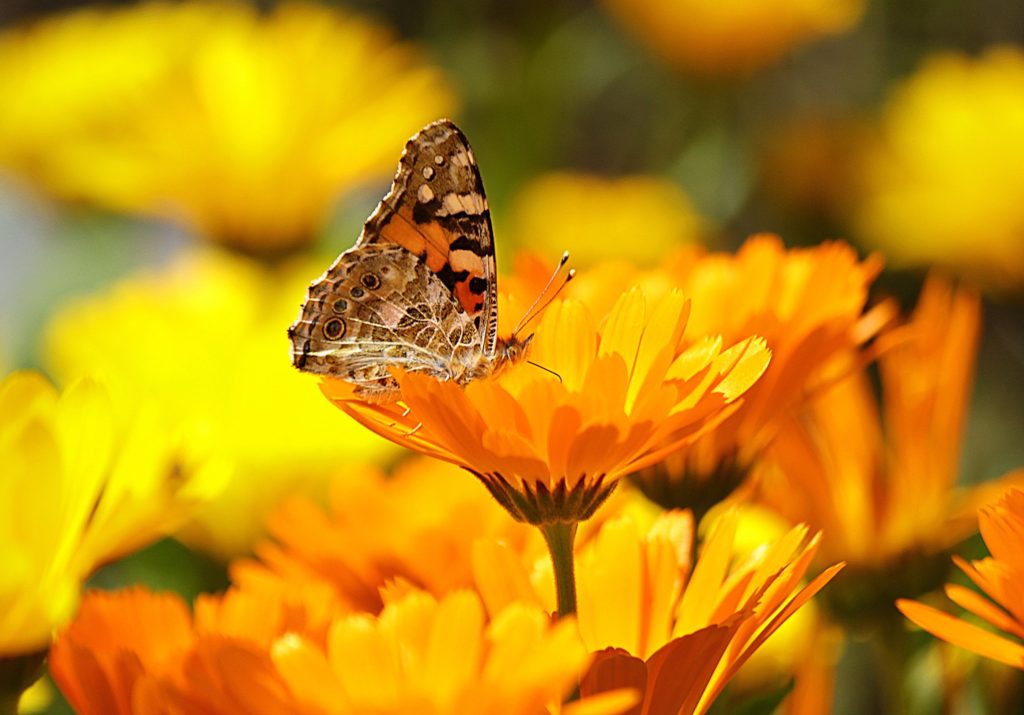
Calendula

Top of my list is calendula. There are so many uses for this cheery little flower, from teas, to oils, sprinkling the petals on eggs, or salads.

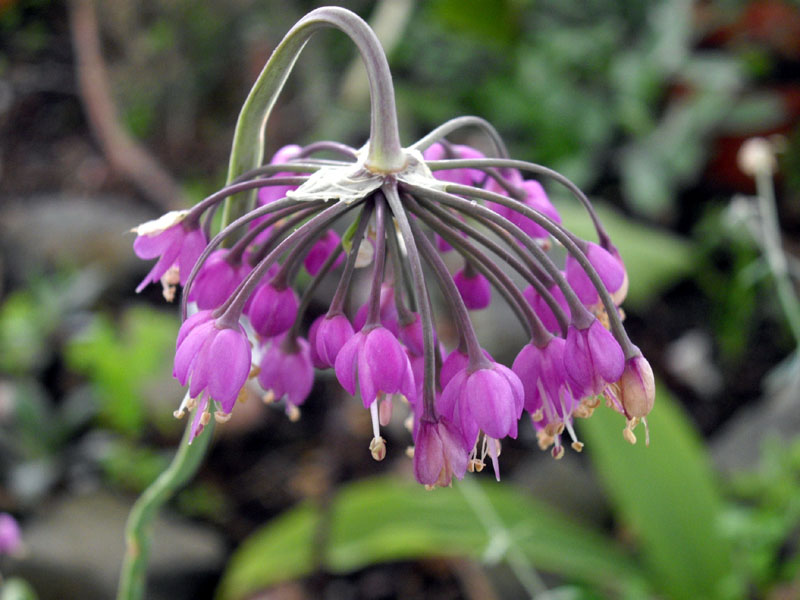
nodding onion

Nodding Onion

I would probably interspace calendula with nodding onion, an unusual and really pretty onion that is great for green onions and forms gorgeous purple flowers on droopy heads. The orange and purple combination is wonderful.

Image credit: ghislain118  [CC BY-SA 3.0]

bachelor's buttons

Bachelor Buttons

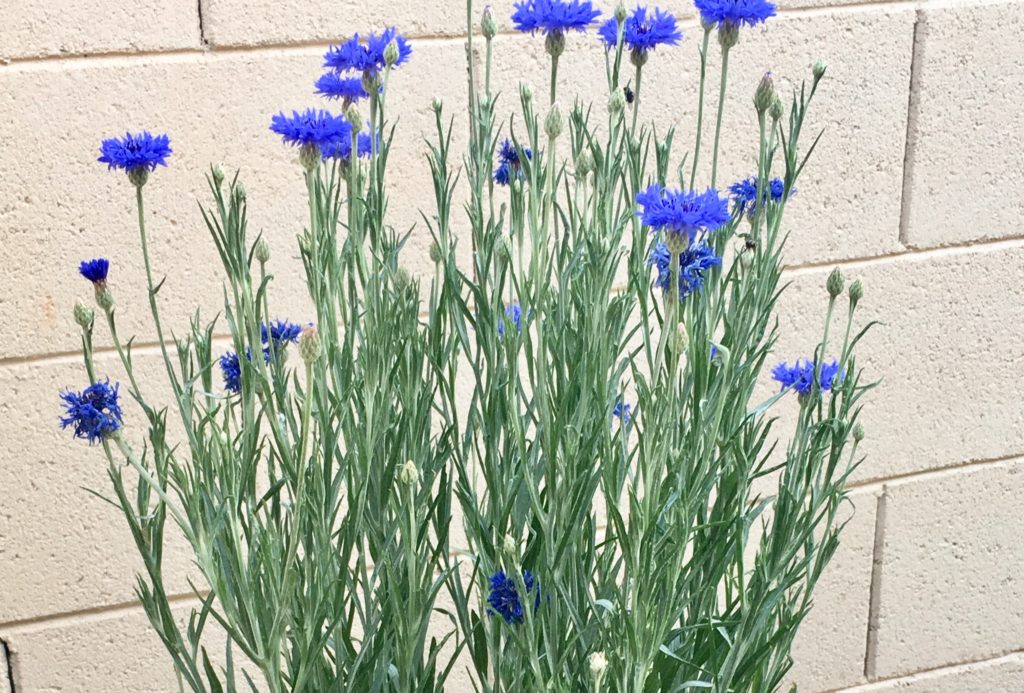
Calendula and nodding onion are also very striking with blue bachelor buttons, another edible flower.  These are good to plant early fall and should give some color through winter and into spring, but will die off when the hot summer temperatures arrive.

Violets

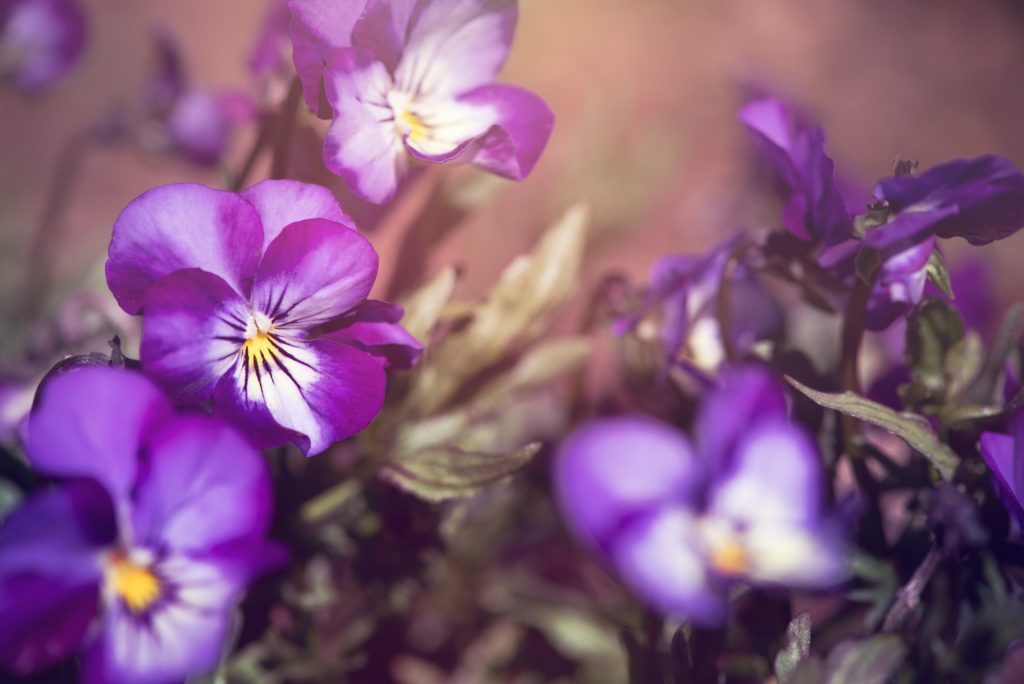
The violet family is another fantastic option, Violets, Johnny jump-ups, pansies are all edible flowers and their leaves can also be added to salads and sandwiches or sugared and used to decorate baked goods.

Day Lillies

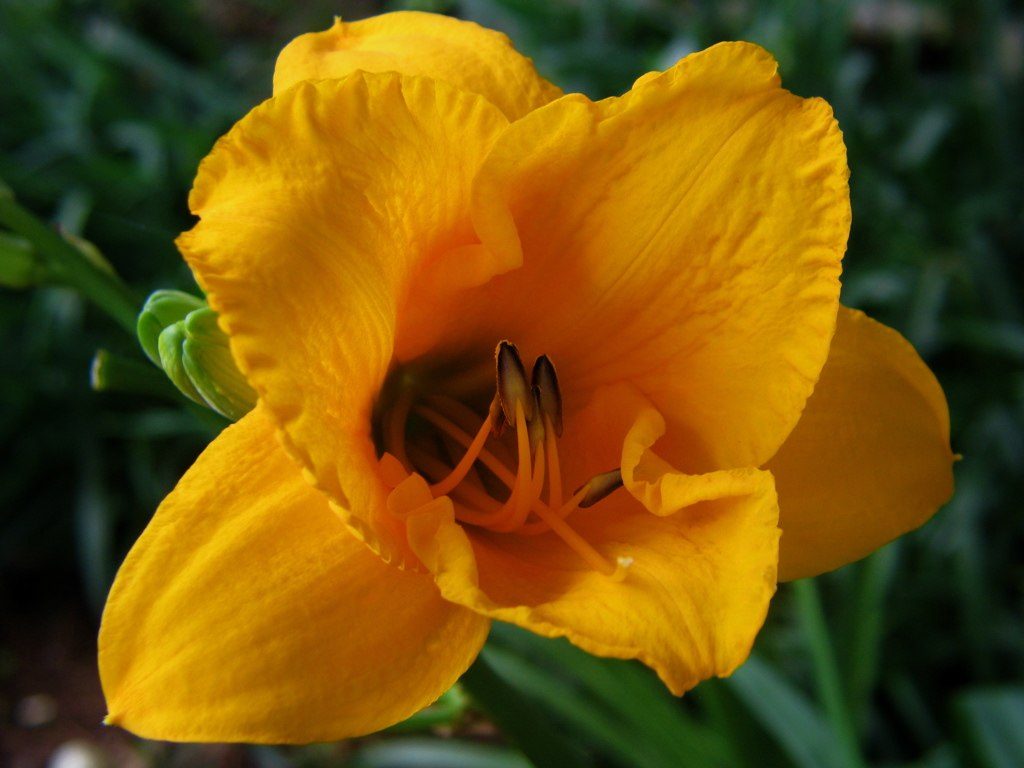
Day-lilies bloom around April. They are edible flowers, delicious battered and fried.

Photo credit: Audrey  [CC BY 2.0]
Carnations

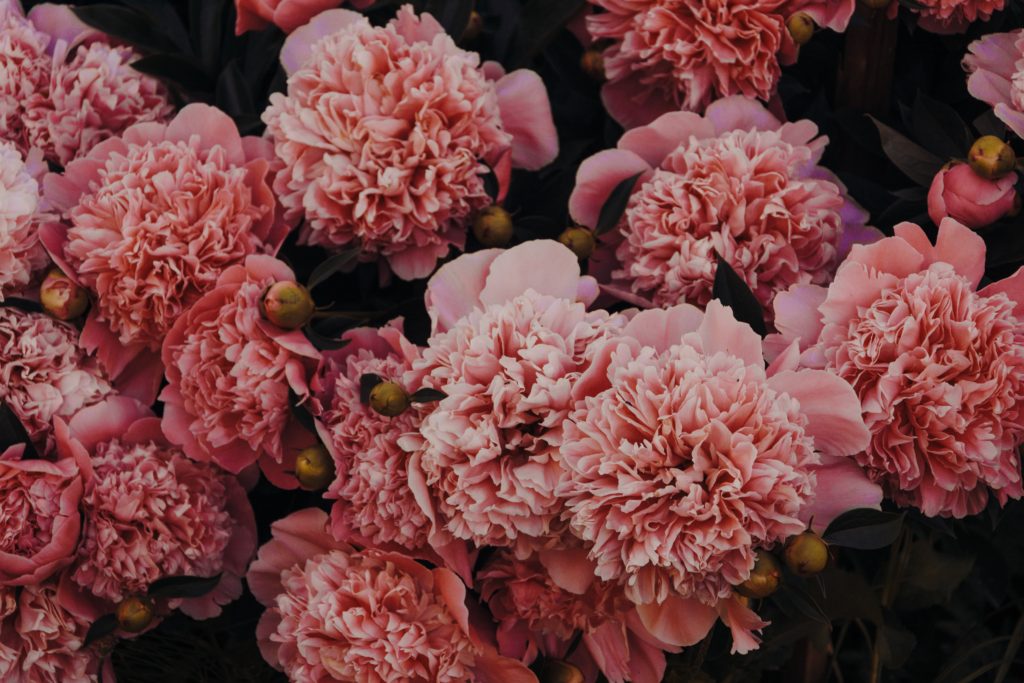
Carnations or the dianthus family is one of my favorites to grow. I love the heady smell of heirloom varieties and they add interest sprinkled on salads.

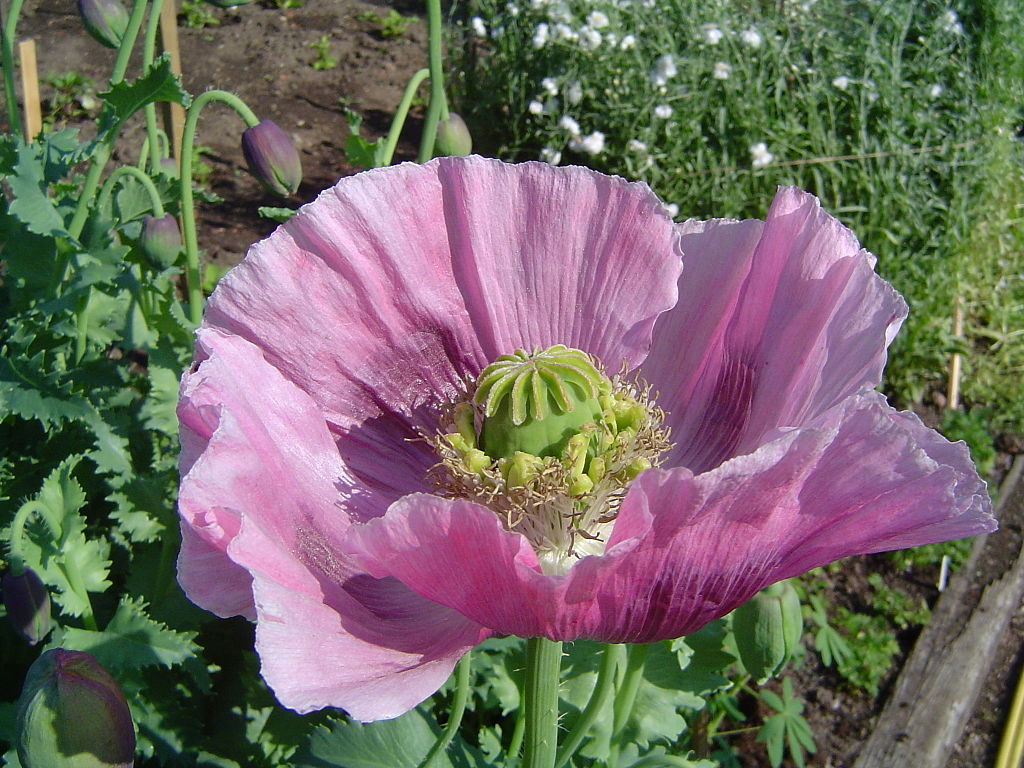
Bread Seed Poppies

Bread seed poppies sown in the fall will bring a gorgeous display in the spring and the ornament seeds head can be collected in summer. The seeds can be used in breads and other baked goods.

Image credit: Louise Joly, one half of AtelierJoly [CC BY-SA 1.0]

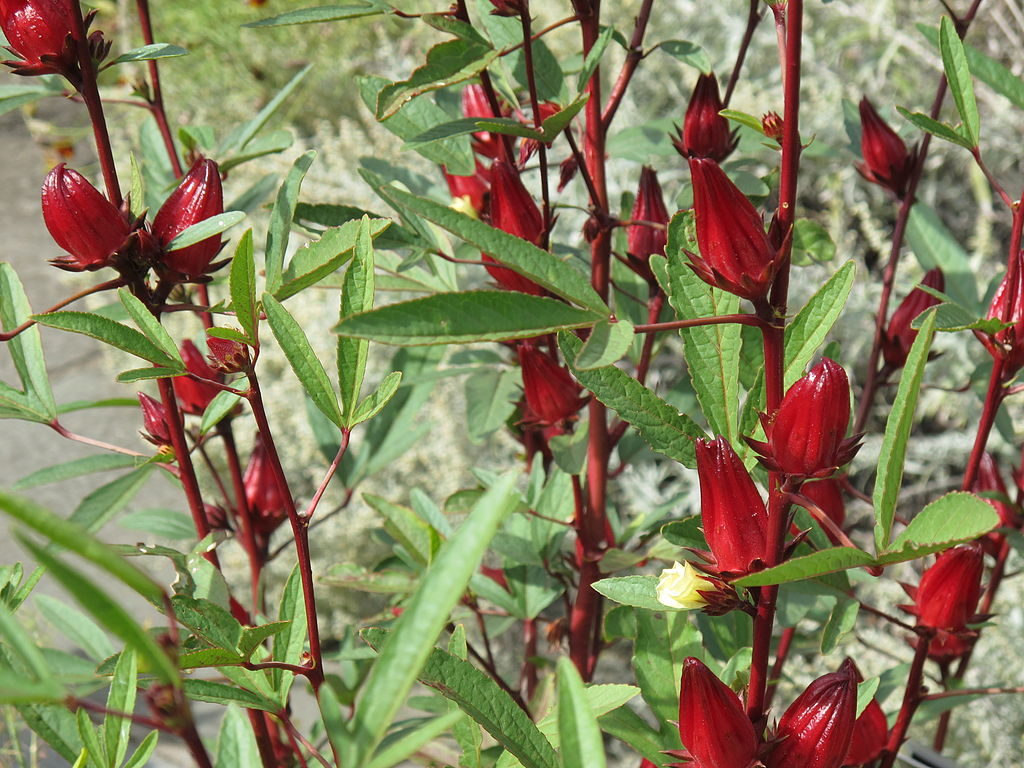
Roselle

In the hibiscus family there is lovely roselle. Roselle is very high in Vitamin C and can be used in teas or other beverages. Roselle jam is an absolute delight.

Image credit: Invertzoo [CC BY-SA 4.0]

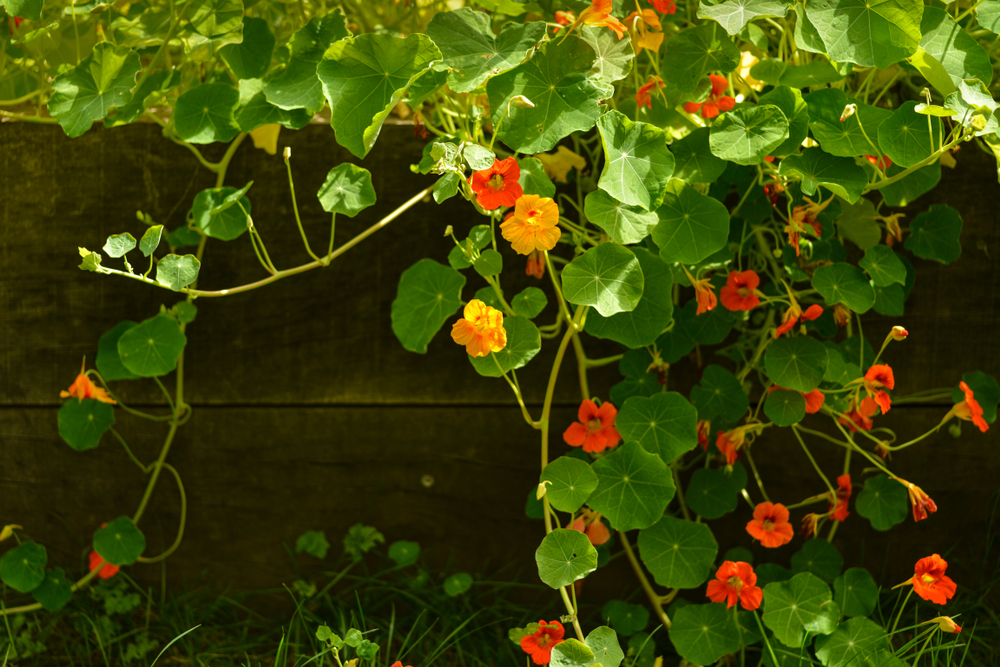
Nasturtiums

We would be remiss not to mention nasturtiums, which offer tons of showy flowers. Leaves, flowers, and berries on this one are all edible.

Herbs

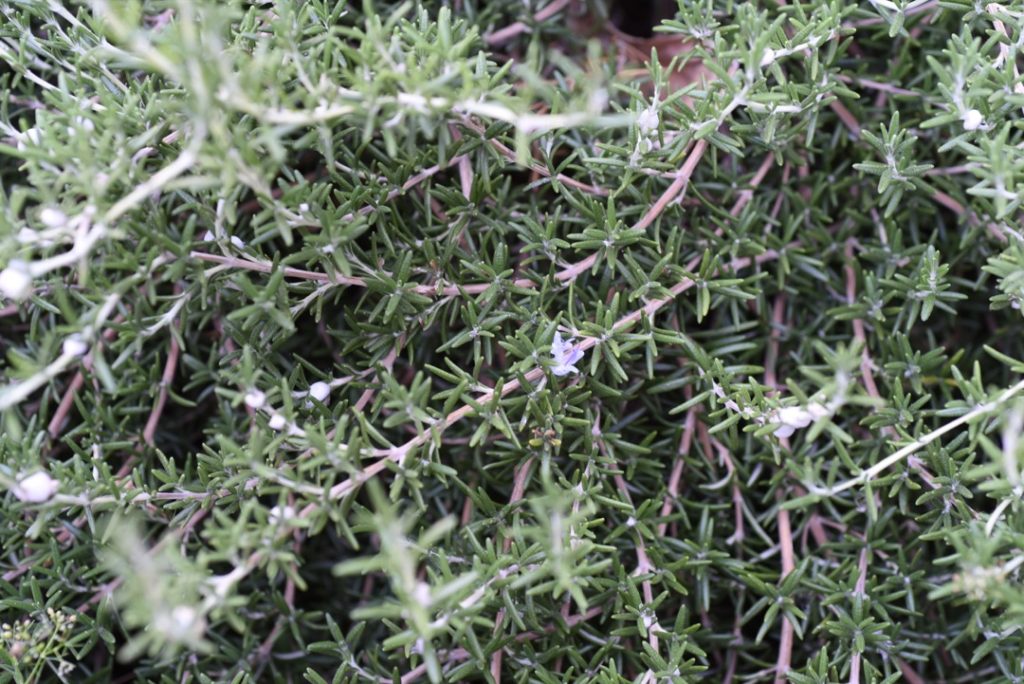
rosemary

Rosemary

One prominent herb in desert front yards is rosemary. Rosemary varieties do taste different, so plant a variety of rosemary you will enjoy added to your foods.

peppermint

Peppermint

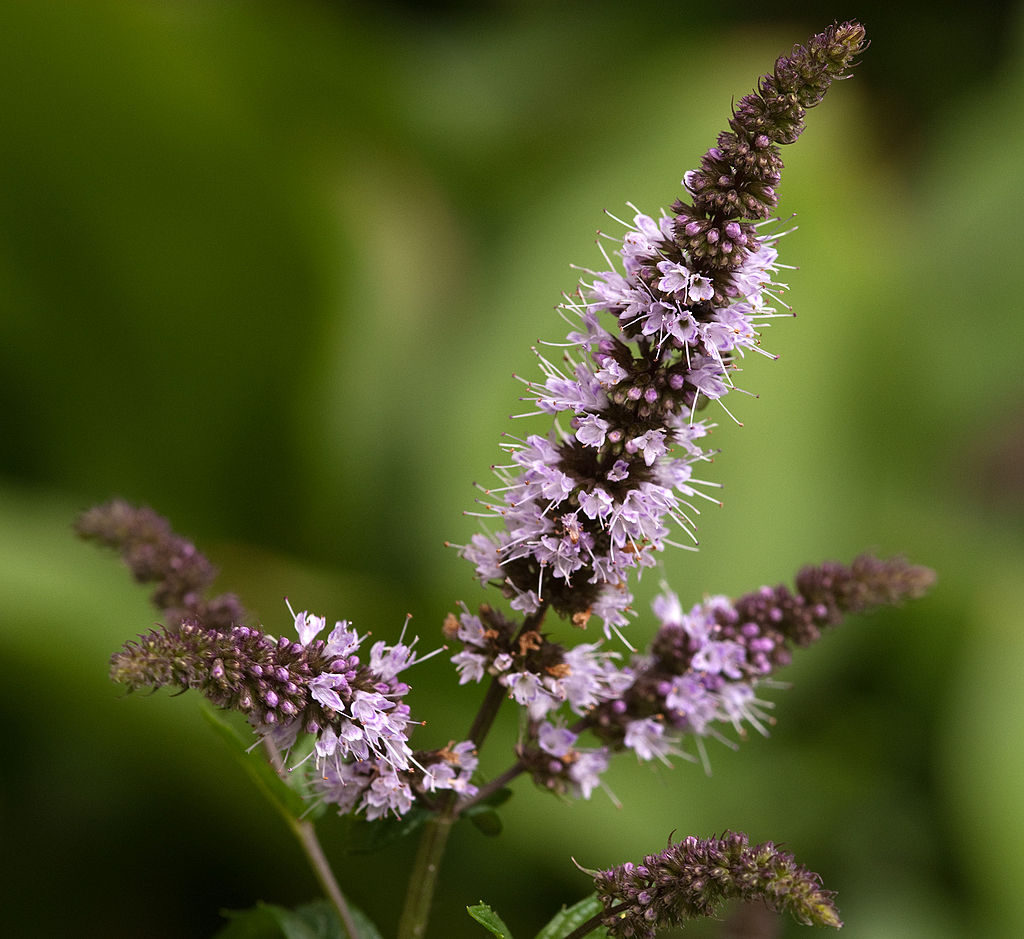
A small peppermint bush is a great addition, with lots of flowers and lovely for a cup of peppermint tea.

Photo credit: Dinnye [CC BY-SA 3.0]

lemon balm

Lemon Balm

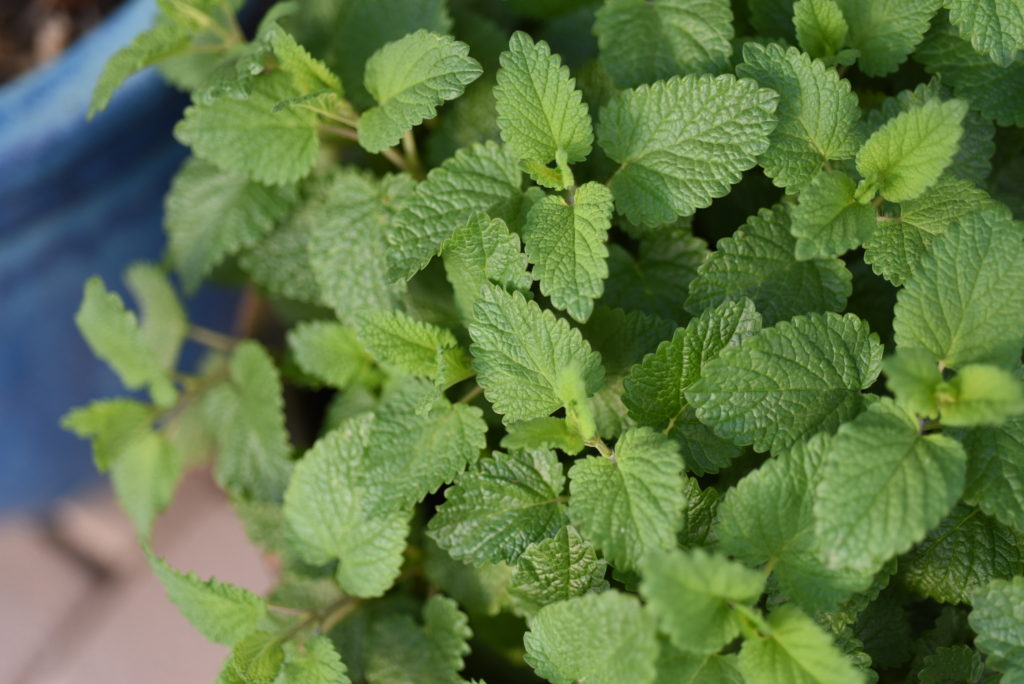
Lemon balm is one of my favorite herbs and this will also not be easily detected by your HOA. This herb has many medicinal uses from soothing anxiety to digestive upset and is easy to brew in a tea. 

Borage

Borage

Borage in early spring, with its large leaves and brilliant blue star shaped flowers, adds color and a refreshing cucumber flavor to Springtime lemonades and teas.

Basil

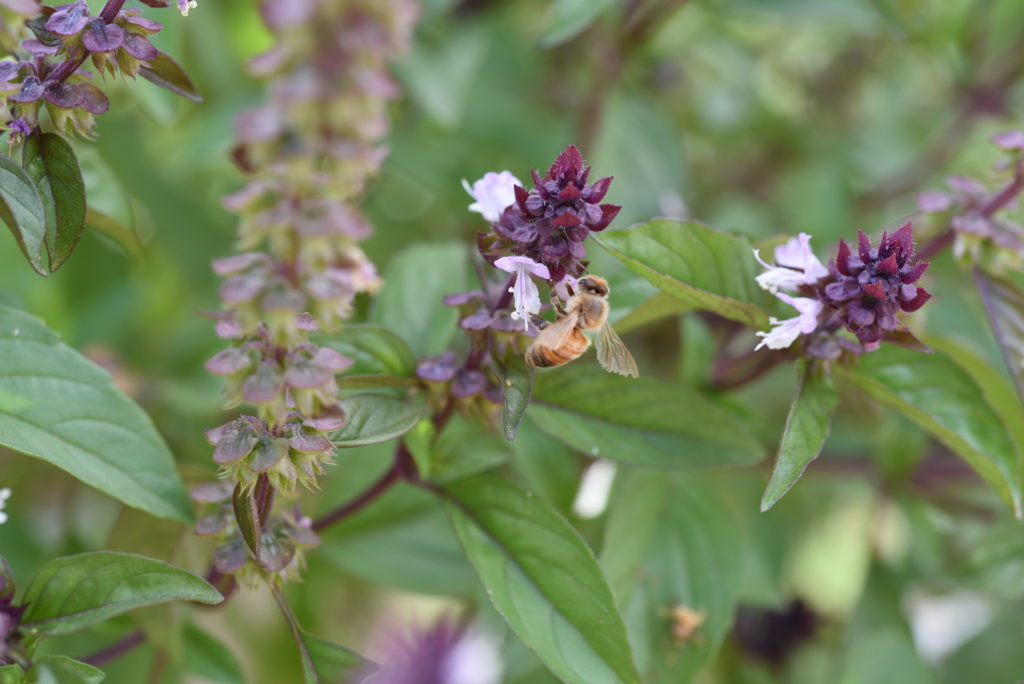
Lesser known basils such as Thai or holy basil attract pollinators and offer benefits in teas or infused waters.

Lavandula_angustifolia_Lavender

Lavender

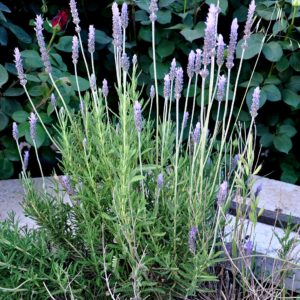
No one questions lavender or the salvia varieties, both loved by pollinators and hummingbirds alike.

Photo credit: Lazaregagnidze [CC BY-SA 4.0]

Shrubs and Bushes

lemongrass

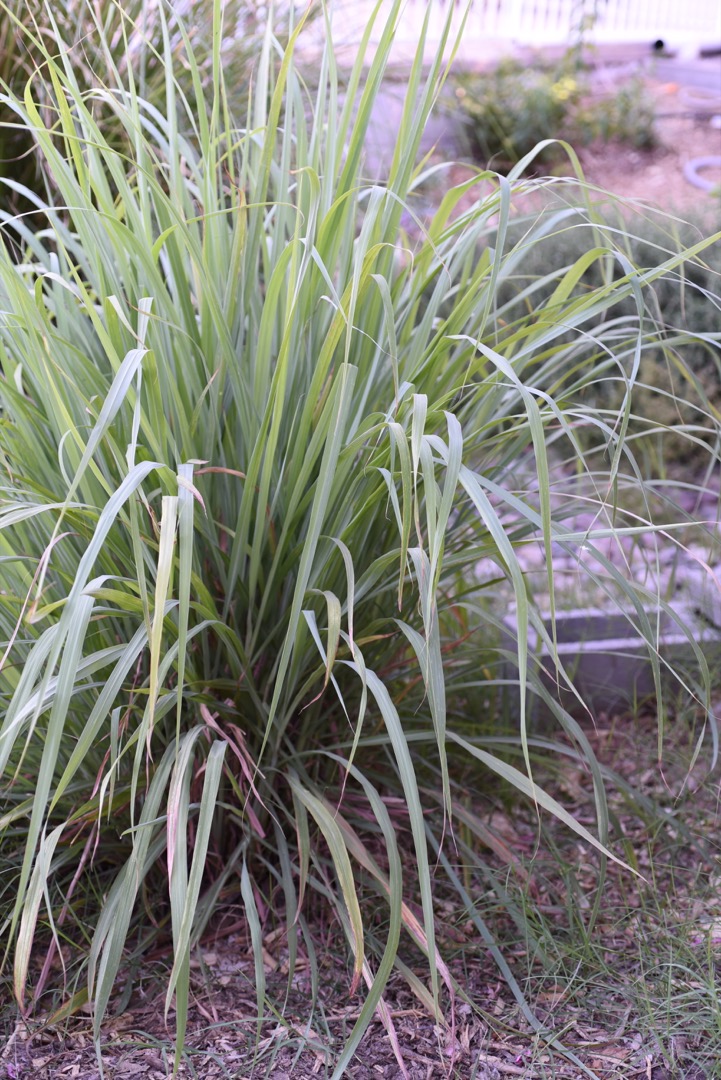
Lemongrass

If you are able to add shrubs to your landscape, consider Lemongrass. Lemongrass is a zesty way to flavor a variety of marinades and Asian dishes and a wonderful tea component. The long, flowing leaves are beautiful.

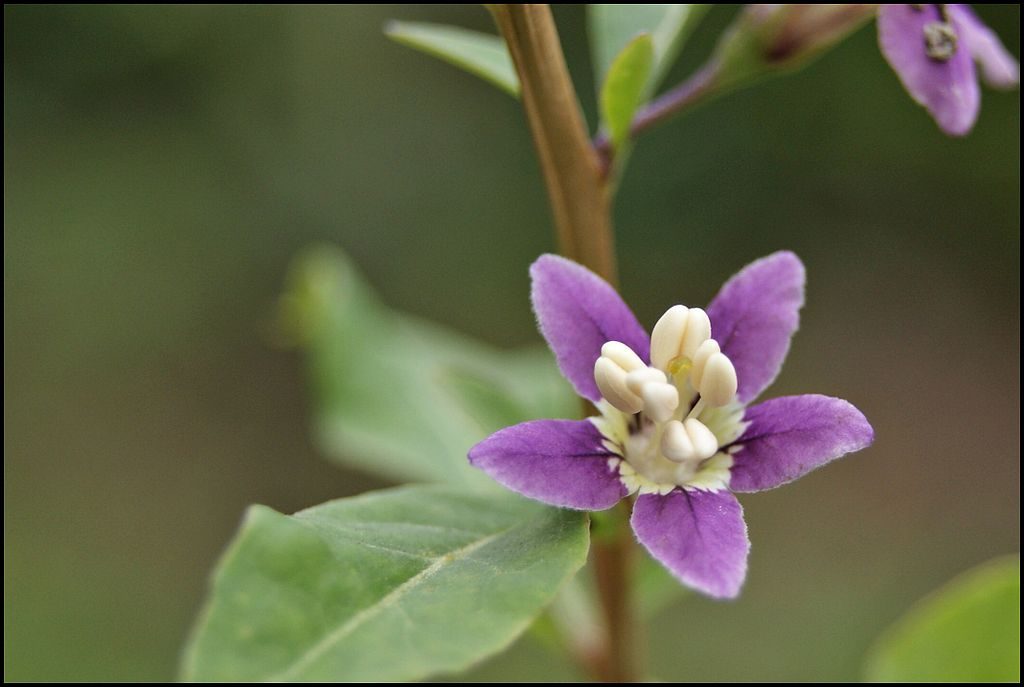
Wolfberry

The native wolfberry is a member of the goji berry family. It is extremely drought tolerant and produces edible berries that are very high in antioxidants. Goji berries are not the best tasting for fresh eating but are a really healthy addition to smoothies and breakfast cereals.

Photo credit: Danny S. [CC BY-SA 3.0]

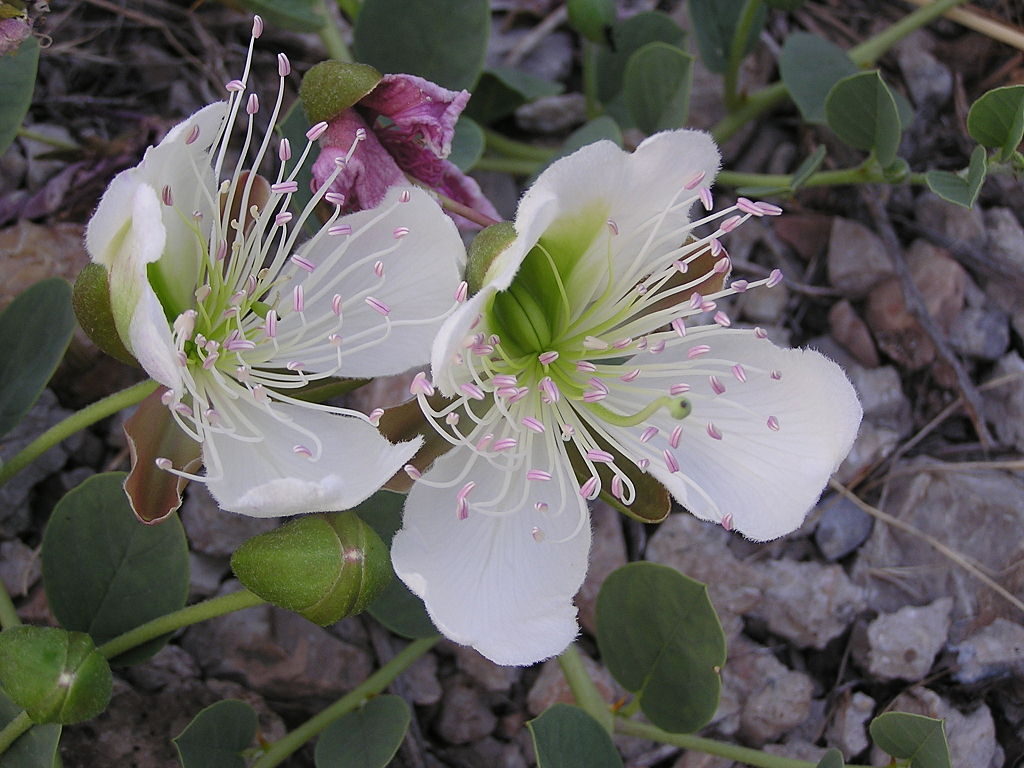
Caper Berries

The caper bush is an unusual plant to try and newer to Arizona. Caper bush loves the heat, is drought tolerant, and looks very much like a boxwood variety shrub. It produces gorgeous showy flowers, which, if not picked will become giant caper berries. Both the buds and the berries can be pickled.

Photo credit: Andrew Butko [CC BY-SA 3.0]

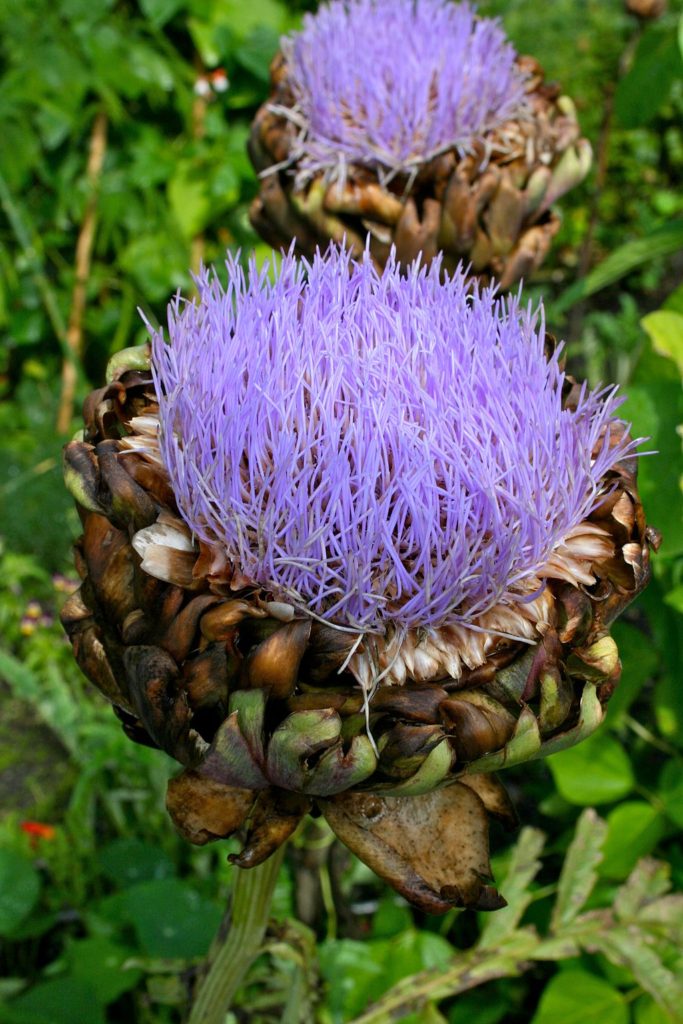
Artichokes

What about considering adding artichokes? They are extremely ornamental looking and add contrasting texture and color to any landscape design. If you allow them to flower the gorgeous purple blooms are a sure showstopper in the garden.

Photo credit: Photograph by Mike Peel [CC BY-SA 4.0]

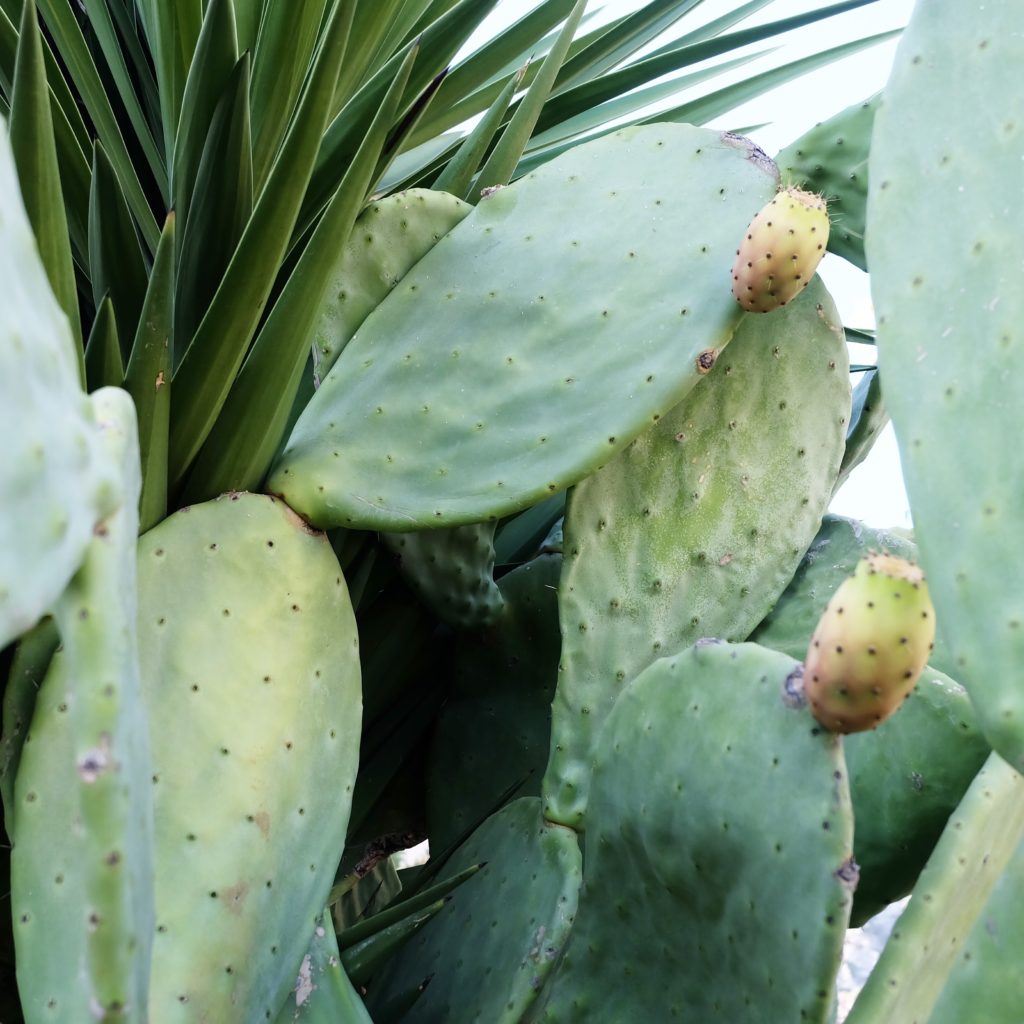
prickly pear

Prickly Pear

Don’t forget the cactus family. Prickly pears are highly nutritious.The paddles(nopales), are popular in South Western cuisine and also used to treat the nastiest of insect bites, stings, and even snake bites.

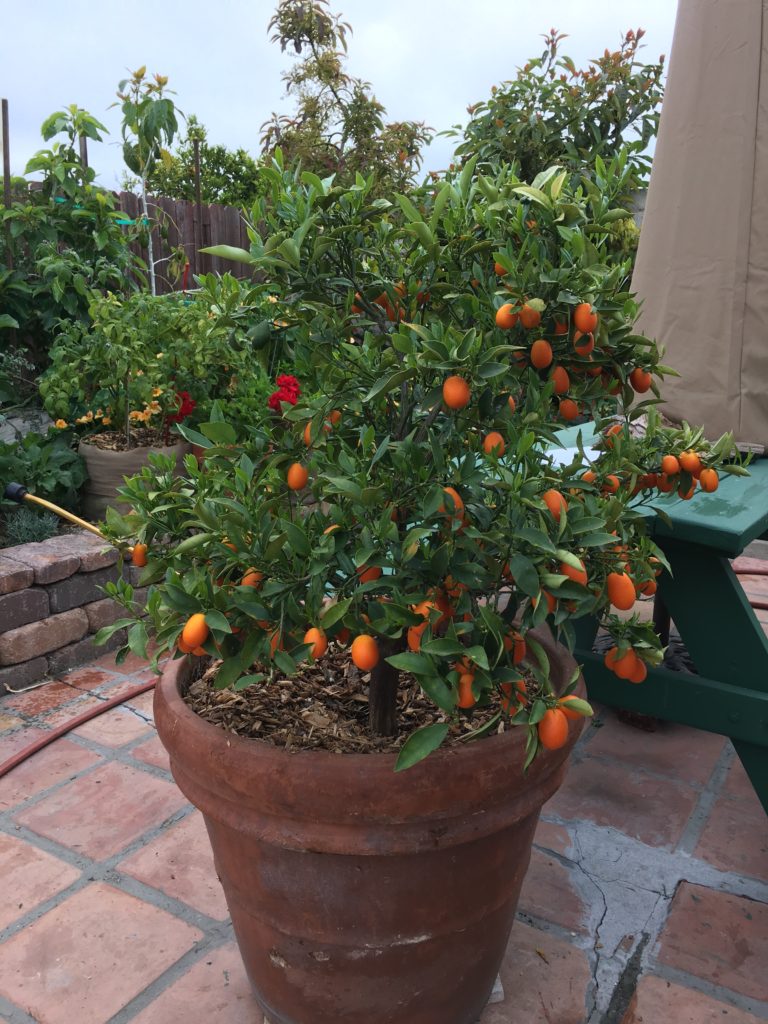
Dwarf Kumquat

A dwarf kumquat is another excellent addition for the front yard. Since they stay small, they won’t stick out and the fruit is ornamental and beautiful.  If you are explicitly allowed to plant citrus in the front, the sky is the limit here in Phoenix.

Bedding Plants

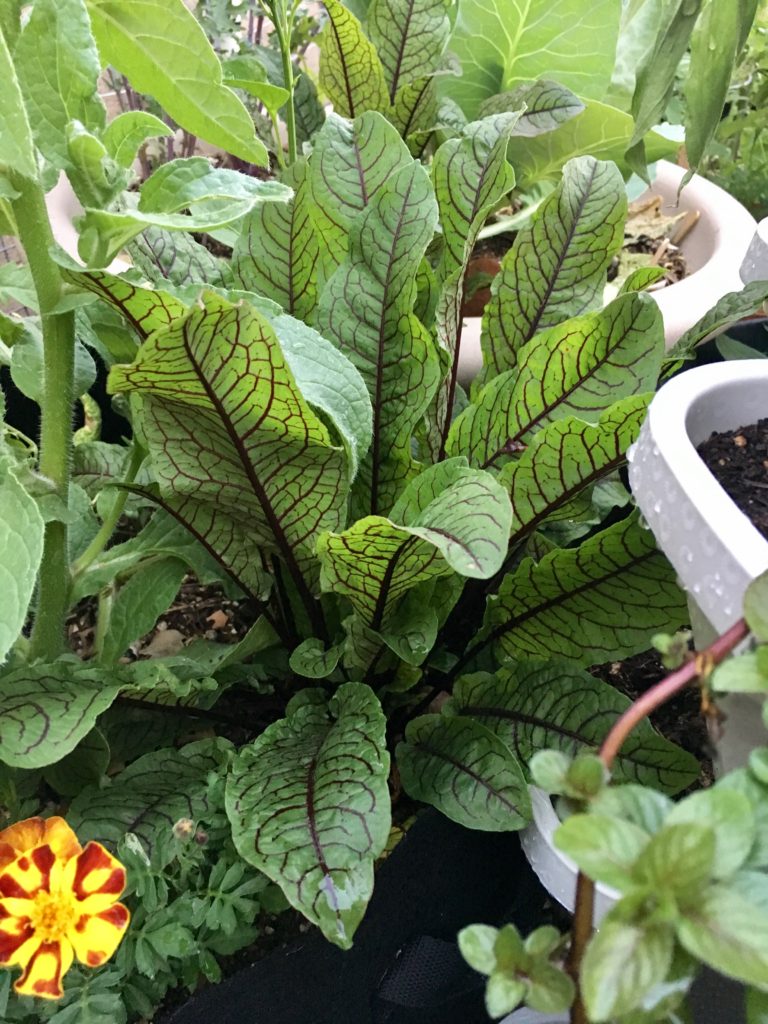
red dock

Red (bloody) Dock

In fall, red dock or bloody dock is a very attractive leafy green that can be used in salads, soups and sautés.

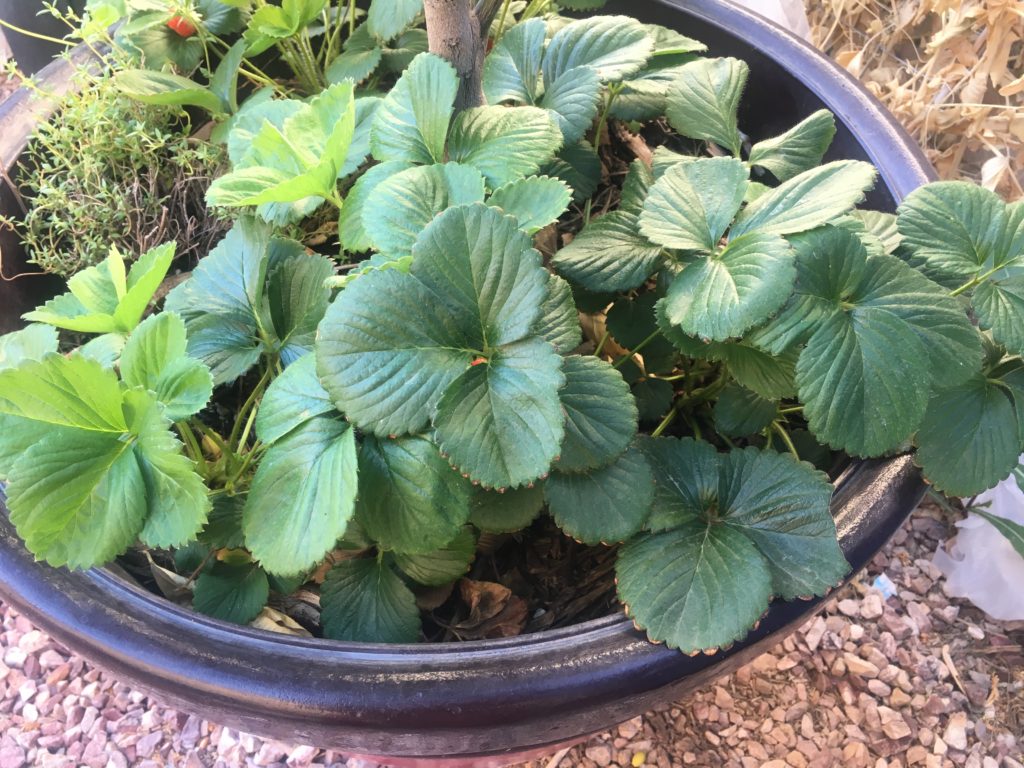
Strawberry

Tuck a few strawberry plants in with your bloody dock and add a few clumps of chives for an attractive display that is completely edible.

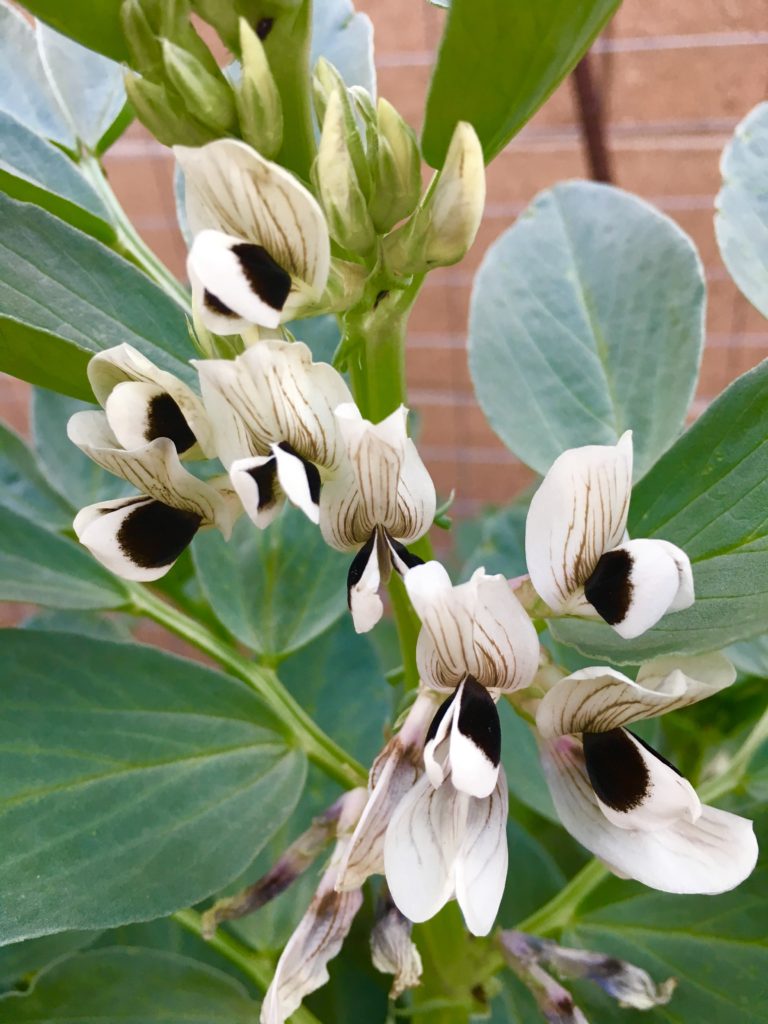
fava bean flowers

Fava beans

I would also consider planting fava beans. They have stunning flowers, which are typically white. However, the crimson variety sends up a gorgeous display of pink to crimson flowers. Fava beans do not grow taller than 4 feet and are very attractive in the fall-winter garden and into early spring. Fava beans may require a border support to keep them neat and tidy and prevent questioning eyes from your HOA.

cape gooseberry flower

Cape Gooseberry

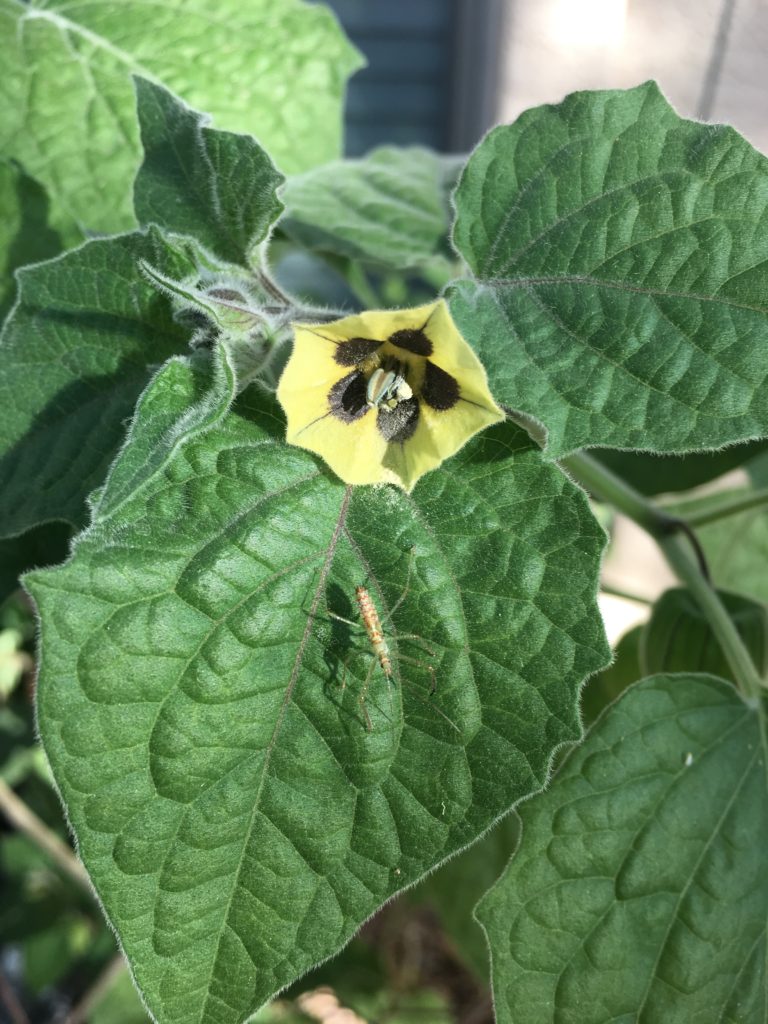
The Cape gooseberry would be another addition to tuck in somewhere, The paper covered fruits, look rather novel and would not easily be recognized.

Okra

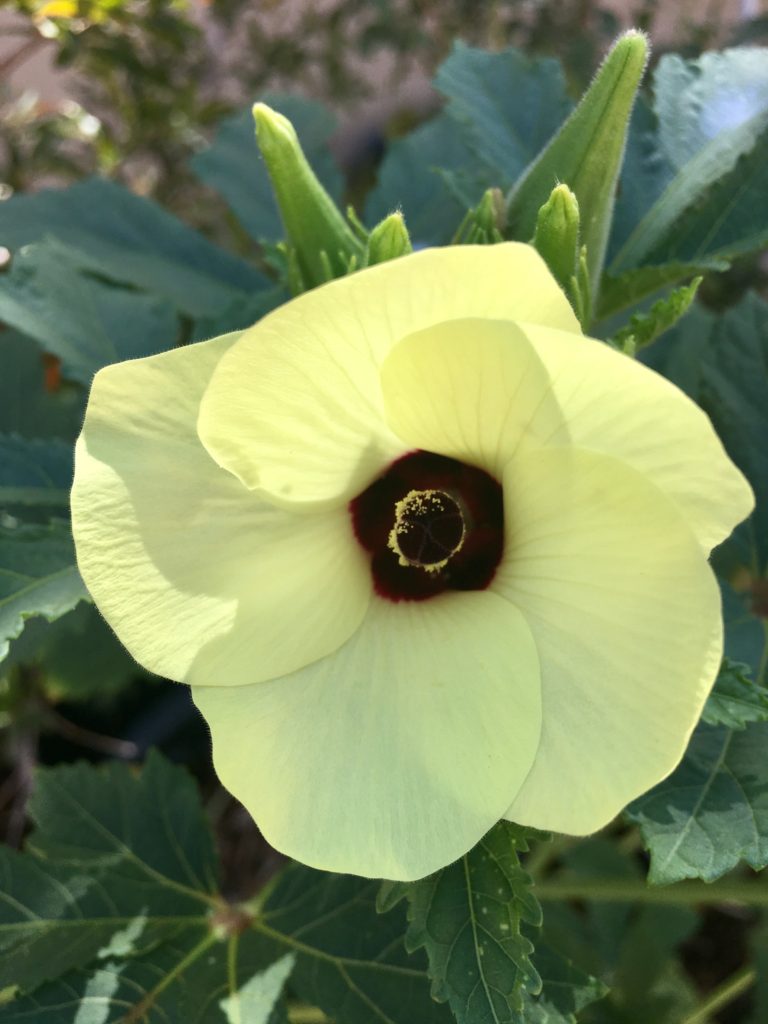
For the summer garden, try a couple of okra plants in a really showy variety. Okra blossoms are one of the most attractive flowers in the garden. Varieties like burgundy and bowling red okra add some lovely, unexpected color.

mizuna mustard

Mizuna Mustard

Mizuna Mustard purple and lime streaks are really striking and ornamental looking as well as orach, all of which are nutrient dense additions to your diet and great fall, winter and early spring options.

Photo credit: Flickr user Masahiko Satoh [CC BY 2.0]
Category: News & Stories, Tips and Tricks

Epic Guide: The Right Way to Plant a Fruit Tree in the Desert

June 23, 2019 //  by jessica.m.ricco@gmail.com//  5 Comments

Before planting a tree there are a few considerations to keep in mind. Some fruit trees are easier to grow in the desert than others. Some may need a lot more in terms of microclimate, specific nutrition and soil. Therefore, we have divided trees into 4 levels with level 1 being the easiest to grow in our desert climate.

fig

LEVEL 1

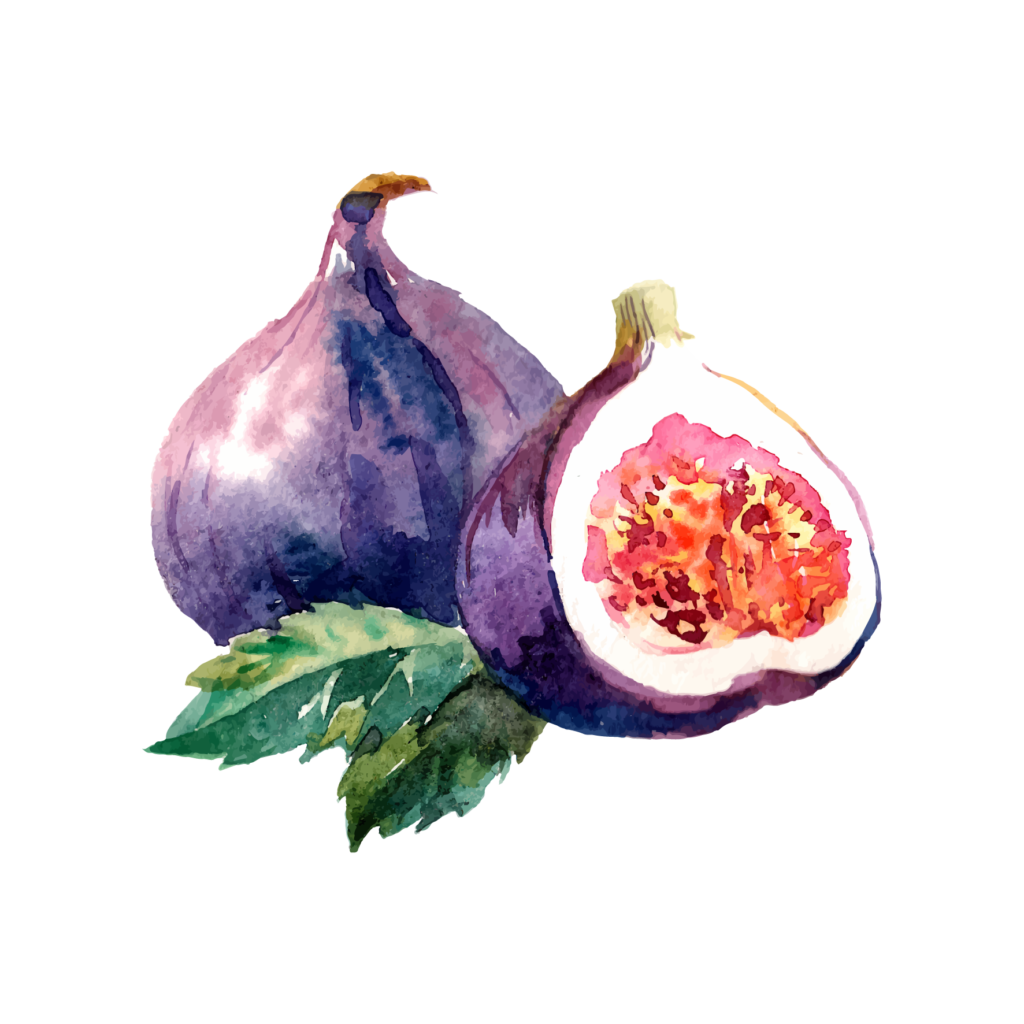
The easiest trees to grow in the desert. These include figs, pomegranates, and mulberries. They can be planted into native clay and do not require any specialized care. (This is NOT to say they do not need a basic level of care, such as regular deep watering, and a proper sized hole.) These are the best trees to start with if you are an absolute beginner gardener.

LEVEL 2

This group requires the grower to pay a little more attention to nutrients and microclimates. Root stock knowledge is also advisable for some groups like apples, citrus and trees in the peach family. This group includes citrus, apples, peaches and guavas.

LEVEL 3

Level 3 trees require more help adapting to our climate. They often need shade when younger and protection during winter. This group includes a large number of tropicals such as bananas, papayas, mangoes, persimmons, and starfruit. They are best for the gardener who has a solid understanding of creating microclimates and has already established microclimates by planting out larger trees, or has built some kind of structure to provide shade and cold protection.

LEVEL 4

This is the extreme tree growing category. These trees will need exceptional care and there is always the risk of losing them. Trees in this group include avocado, lychee, and tamarind. They are almost always tropical trees that are sensitive to extreme temperatures, salt/alkalinity, and dry climates.

UNDERSTANDING
BAREROOT VS. POTTED TREES

At different times of the year, trees are available either as bare roots or potted trees. Bare root trees are typically available at the very beginning of spring when trees are about to come out of dormancy. 

Typically, deciduous trees are sold as bare roots roots at this time of year. Deciduous trees are also available as potted trees later in spring and in the fall. A bareroot tree is a tree that was grown in-ground initially. The commercial grower removes it from of the soil when dormant, and stores it in a cold facility until it is sold as a bare root. This means that bare root trees have lost a large part of their root system. If it was a tree that has a tap root, the tap root won’t regrow, however, new side roots will develop to stabilize the tree. 

Many gardeners struggle with cutting the top of a bare root tree when planting. However, reducing the canopy by at least one third is important to reduce stress. The root system has been reduced and will not be able to support the original canopy. Reducing the size allows the energy to go towards establishing a new stronger root system. In addition, there is a great method for growing smaller fruit trees outlined in the book, Grow a Little Fruit Tree (below). The concept is simple, a smaller tree is easier to maintain, easier to prune, easier to protect, and easier to harvest from. 

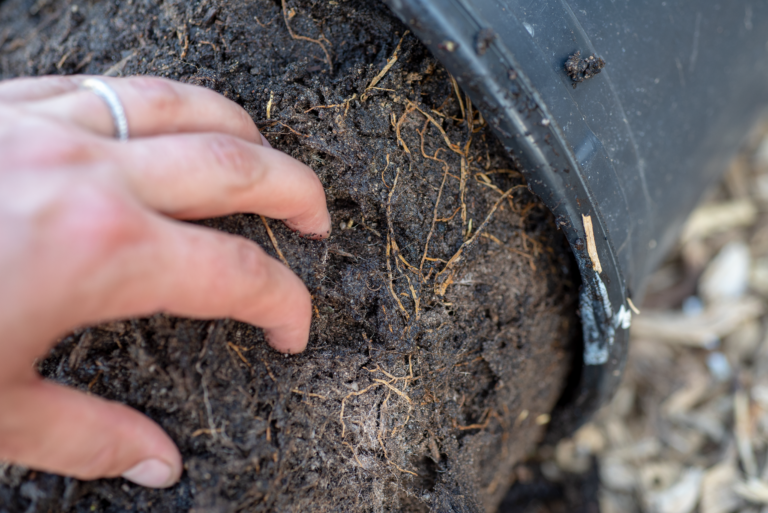
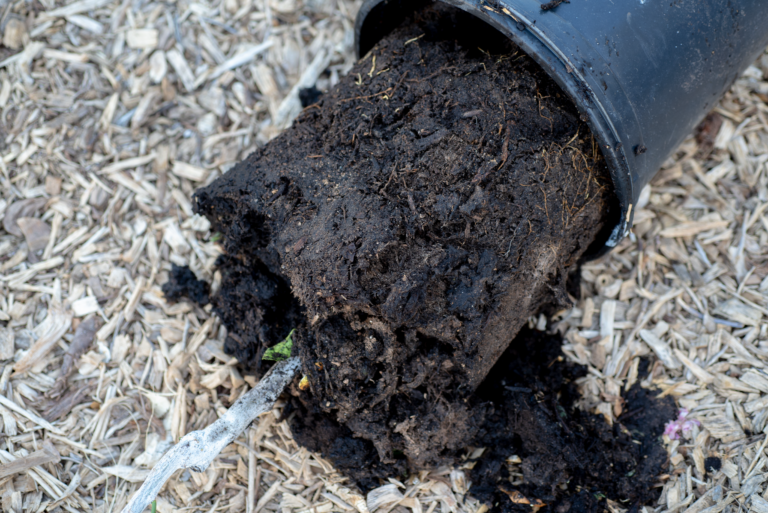
Tropical and sub-tropical trees and citrus, don’t go fully dormant and are therefore always sold as potted trees. As mentioned above, potted trees are available during the fall and spring. While bare roots have a reduced root system, potted trees could have root issues unsuspecting gardeners may be unaware of, such as being pot or root-bound. At the worst, this could mean strangulation of a main root as side roots circle around inside the pot.

How to Plant A Tree In-ground

Step 1: Site Assessment

The first step is to pick out the right spot for your new tree. Take into consideration all the requirements for that tree in relation to soil, watering, and sun requirements. 

If you do not have the correct microclimate, you will want to create that before planting, or consider planting in a different area that is more suitable to the needs of your tree.

Photo Credit Silvia Messmer

Step 2: Checking Drainage

Evaluate soil drainage at least two days before you plant. (TIP: Consider checking drainage and preparing the hole several months in advance. See below for our advice on preparing planting holes.) Start by watering the spot on a slow drip for about an hour. This will help to soften the native dirt and help make digging the hole easier.

Note: If after a few hours, water has not soaked in, consider moving to a new spot. This is an indication that this particular spot is not a well draining location

If the water has soaked in, the ground should be easy enough to dig a planting hole (and further assess any drainage issues.) Dig a 1’ x 1’ hole and fill it with water and let it drain completely at least twice. Wait twenty-four hours, then check to see if the hole has standing water. If it does, this is not a well draining spot. Water should drain at least two inches per hour. Poor drainage could be due to caliche, compaction, or heavy clay.

Solutions for Drainage issues

Break through caliche. Caliche shows up as light/white-cream layers in the soil. It can be a thin layer to several feet deep.  A thin layer of caliche can be punched through with an auger to improve drainage. You can rent a 1-man, gas-powered auger from Home Depot, if needed. Read our article on Soil for more information about caliche.

Use a mix of calcium and sulphur. Soil sulphur and calcium work together to flush salts and improve overall soil health and drainage. Soil sulphur breaks down to sulphuric acid, which bonds with calcium to form gypsum and flush salts. It also lowers pH of the soil. There is also a product called Alka-Liche, which contains actual sulphuric acid and therefore works more quickly. We have not personally used this product by have heard about successes from other desert gardeners. 

Plant deep-rooted companions. Consider planting deep-rooted companion plants such as vetiver, daikon radish, dandelion, borage, in the immediate area or even in the same hole if it is wide enough.

Yucca extract. Yucca is a native desert plant that has adapted to the native desert climate and soil (high salt, low water, poor drainage) and has developed methods of thriving. Using yucca extract helps non-native plants utilize some of these advantages by reducing/washing away salt build up in the soil and allowing water to seep into the soil more evenly (it is commonly used as a wetting agent). It also feeds the soil microbiology.

Worms. Worms will move through soils taking organic matter deeper into the earth. This adds aeration and fertility and also improves soil structure.

Organic matter. Consider composting directly in the hole in advance (see below).

Lava rock. Lava rock improves drainage by holding onto moisture and releasing it slowly.

Step 3: Digging the Planting Hole

Start by digging a hole 2-3 times as wide and twice as deep as the size tree (container) you plan to purchase. 

We advocate for planting in square holes! In a round hole, plants are basically in a large clay pot in our native soil. The roots will grow in the direction of the hole, basically round. A square hole though, has sharp sides and corners. Roots will naturally grow out towards the corners, that are easier to break through and spread out.

In addition to digging a square hole, be sure the sides of the hole are roughed up and not smooth. Use a sharp trowel or small rake to scratch the sides of the hole. This enables roots to more easily break out of the hole into surrounding soil. 

Preparing Tree Holes in Advance

For level 3 and level 4 trees, you may want to consider digging and preparing the hole 3-6 months prior to actually planting the tree. Most of the trees in these categories are tropicals that require more organic matter and better draining soil than what naturally occurs in most areas here in the desert. 

Additionally, high alkaline soils are also not conducive to growing these trees. Fill in this hole with compost, worm castings, and any organic matter you have on hand (wood chips, produce scraps), which are naturally a more neutral pH. Add worms to the hole. The worms will not only loosen the soil as they move, but will help break down any food scraps and distribute good bacteria and worm castings throughout the area. This will begin establishing the soil life and loosening the earth in preparation for your tree. 

You can also consider planting some deep-rooted plants around the hole to further break up the soil – these can be temporary or stay as companions to the tree. Vetiver grass has roots that can reach well over 5 feet deep when mature.  Plants like borage and dandelion can be cut down at the end of the season and the roots can be left in place to decompose, further increasing the soil quality.

A Few Words on Hole Size

There is a lot of debate about exactly how deep and wide to dig a hole to give a tree the best start possible, and also not spend days digging (especially in dense clay). Regardless of the exact size of hole you are able to dig, consider the future root growth and health of the tree. Roots should be able to stretch outwards when you place the tree in the hole and not circle around the hole (essentially mimicking being root/pot bound). There should also be sufficient drainage away from the root ball, especially for trees in level 3 and 4 as they are very sensitive to poor drainage.

Step 4: Preparing the Tree

How to Prepare a BareRoot Tree For Planting

If you are purchasing bare root trees in a store (versus ordering online/through the mail) examine the roots carefully to ensure they are in good condition and are not rotting. Also look for wrapped or crossing roots around the flare. Consider the branch structure, looking for trees with evenly spaced branches that form an open goblet shape. A scratch test of the trunk for green cambium is also beneficial. If the tree is not green when you scratch it, it is not alive. If you have ordered online, you should still examine trees using these methods and contact the seller immediately if there are any issues. We trust Peaceful Valley Farms for bareroot trees.

Soak your bare root trees immediately upon arrival, preferably overnight. However, they should not be soaked longer to prevent the roots from rotting. We suggest soaking in a solution of water with some added mycorrhiza and liquid seaweed. 

It is best to make sure you dig your planting holes ahead of time so you can plant the tree as soon as it arrives. If you cannot plant trees within 24-hours of receiving them, keep them in a cool place (like the garage) and keep their roots moist. We’ve had success covering roots in moist sand or wood shavings (misting them everyday) until planting. 

How to Prepare a Potted Tree For Planting

If you are planting a potted tree, soak the pot well before carefully removing the tree. Examine the roots to make sure the tree is not root bound or diseased. If it is a young tree with no signs of root strangulation, girdling, or excessive crossing, then gently loosen the soil and stretch out some of the outer roots so that they can point outward and downward in your hole. 

For larger trees (15-gallon nursery pots and above), soak the tree for a couple of hours to loosen the soil around the roots. This allows for better examination of root health. 

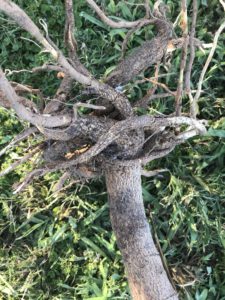
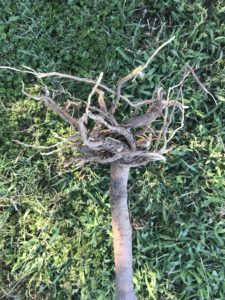
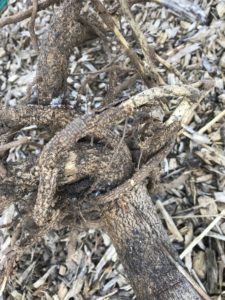
Crossing roots or girdling roots can choke the tree and should be untangled or, if very severe, cut off to avoid issues later. 

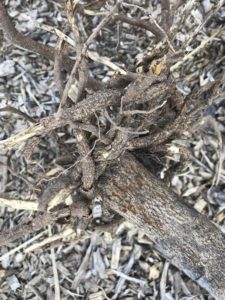
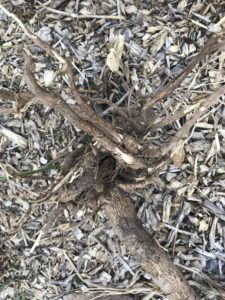
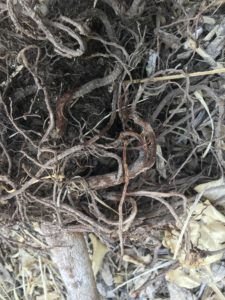
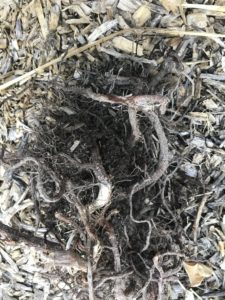
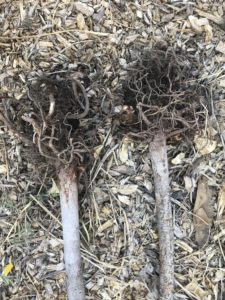
The photos below show examples of three trees with crossed and circling roots. Two of these trees were Ficus Nitida from Lowes. They were excessively rootbound and the roots were not properly trimmed (we live and learn) prior to planting. Both of these trees struggled and ended up dying over the winter despite extra care. The third tree was a neem tree purchased from a local tropical tree nursery. The cold definitely contributed to its demise, but the twisted roots also reveal an additional culprit! 

rootbound-tree-9
rootbound-tree-8
rootbound-tree-7
rootbound-tree-6
rootbound-tree-5
rootbound-tree-4
rootbound-tree-2
rootbound-tree-1

Note: The steps for preparing a potted tree are the same for in-ground and container planting. Be sure your hole is prepared or your potting materials are accessible and ready prior to removing the tree from the pot. Extended exposure to air and sunlight is damaging to roots.

Step 5: Planting

To plant, loosen roots and fan them out. All roots should point outward, which may mean you need to dig your hole wider or trim some roots depending on the exact shape of the roots. Note: Do not trim roots excessively as they will not be able to sustain the tree.

Position the root ball on a mound of lightly compressed backfill. For level 3 and 4 trees, the addition of lava rock is advised for this mounded backfill, to further help with drainage. The tree should be planted so that the root ball is higher than the ground. The reason being that the tree will settle over time and it should not sink so that it is sitting lower than the ground level. This use of gravity (planting on a mound) benefits the roots in two ways. a) they are encouraged to grow downwards and deeper. b) Water will also soak in deeper, preventing the roots from sitting in soggy soils.

If using granular mycorrhiza, add now, making sure the granules make good contact with the roots.

Backfill the hole using a mix of compost, earthworm castings and native soil. Level 1 and 2 trees can be backfilled with native soil only.

Step 6: Double Ring Tree Well

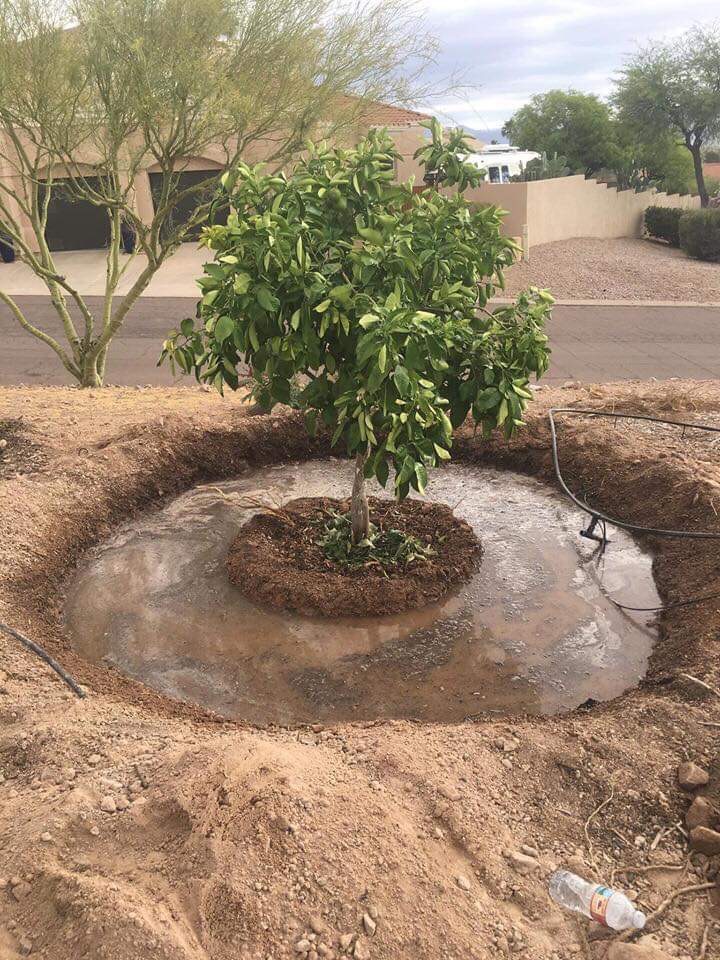
Use the double ring method to create a well and berm around the tree. If planted correctly, the root ball should be slightly elevated. Make a 12-inch wide mound around it. 

Essentially, this is so that moisture drains away for the trunk. The mound can made with compost. 

Then make a trench around the mound, this is going to hold the water. This is where to water as it will encourage the roots to grow out. Pile mulch on the mound, but keep it away from the root ball and trunk. 

Photo Credit Rose Anouti

Note: With a newly planted tree, you will need to water in the mound area as roots have not yet expanded to the outer area.

Step 7: Staking

The correct way to stake a tree is using a double stake method. This supports the young tree without impeding growth or preventing movement and sway. The ability for a tree to be able to move and sway in the wind strengthens the trunk of the tree, rather than weakening it. 

Wooden stakes work well. Choose ones that are at least 2 inches thick and five feet tall.  They should be inserted about two to three feet away from the newly planted tree depending on whether it is a smaller or larger tree. The stakes need to be driven into the ground at least eighteen inches deep to ensure they are secure. 

Polyethylene strips or 3-inch webbing can be loosely draped around the trees’ trunk and then secured to the stakes. 

You should also not put a post right up against the trunk of the tree – a helpful reminder from our friends in the Organic Desert Master Gardeners Facebook group.

This self locking kit is also very useful (see below).

Step 8: Adding Mulch and Amendments

Add amendments in the tree well (not right up against the trunk) once the tree has been planted. Earthworm castings and compost are the best amendments to use. Slow release nitrogen and acidifying amendments are also good. We recommend Cottonseed Meal and Neem seed Meal. Young fruit trees will not need phosphorus in the first year as it is best to not let them fruit yet, which forces energy into growing roots.

Cover the entire area with at least 4 inches of mulch.

Take care not to bury the root ball too deeply. It may be a good idea to use a trunk protector to prevent organic matter building up against the trunk. 

Water the mound and fill the surrounding well and use a liquid mycorrhiza if you did not use a granular one.

For continued watering care

See our in-depth article on watering. 

How to Plant A Tree IN A CONTAINER

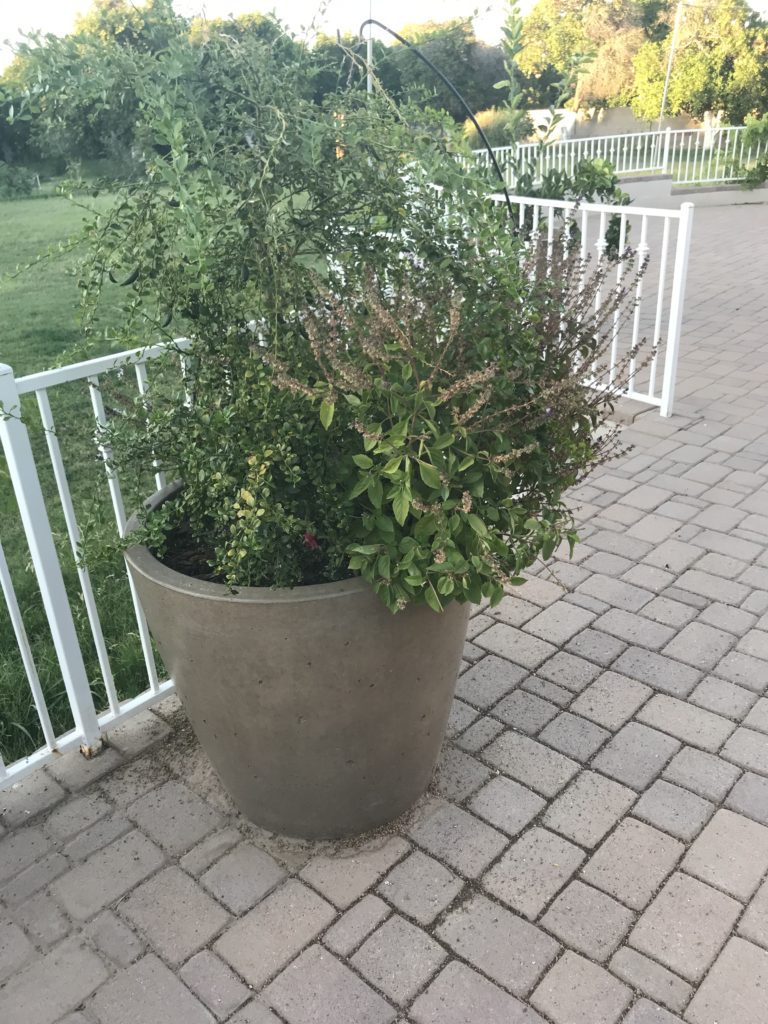
Both bare rooted trees and potted trees can be planted into containers. Preparation is the same as for planting in-ground (details above). The key is to inspect roots and untangle any that cross or trim any damaged or permanently intertwined roots. 

Wherever possible, select trees on dwarf root stock or trees that do not grow very large.

Step 1: Preparation

Always use the largest, widest pot you can when planting trees in containers. A 15-gallon nursery pot is the very smallest you should use. 

Prepare a mix of 1/3 each compost, potting soil, and native clay. Clay is important for its ability to hold moisture. Our native clay is also very high in trace minerals.

Also add in 1/4 inch horticultural lava rock for drainage, equal to half the amount of compost used.

Because potted tree roots are in a confined space and will not have a regular change in growing medium, it is ok to mix amendments in with the soil. We recommend worm castings, cottonseed meal and neem meal. A soil acidifying amendment also works well.

Step 2: Planting (and Possible Staking)

Care should be taken not to plant the tree too deep, the root ball should sit slightly higher than the rest of the growing medium.  A tree guard can be used to protect the tree from getting mulch against the trunk. 

Depending on the growth pattern and height of the tree, it may require staking. For example, a low growing bonanza peach that is about 4 feet tall will not need to be staked, but an apple tree with leaner limbs and taller growth pattern will need to be.

See the staking tips in STEP 7 of planting in-ground.

Step 3: Mulching

Container grown trees absolutely require mulching.

Ensure that there is at least a three inch mulch layer on top to protect soils, keep moisture in and soils cooler.

The area around a tree can also be planted out with companions. Herbs, small flowers, strawberries, garlic and even bunching onions can be used.

Step 4: Re-Potting

Potted trees are have a confined area for root growth and also a limited amount of soil. Over time the soil in the pot will be used up. They should be repotted every two to three years for continued access to living soil and for overall health.

WATERING AND WATER METERS

A vital tool to have on hand for container growers is a moisture meter. We have more watering tips for continued tree care under Watering. Also, see our in-depth article on watering. 

Category: News & Stories, Tips and Tricks

Planting a Three Sisters Garden in Phoenix

June 13, 2019 //  by jessica.m.ricco@gmail.com//  Leave a Comment

The Native Americans tell a story about companions.

As corn grew tall, he watched over the land. Corn felt sad sometimes and did not understand why. One evening corn saw two butterflies fluttering about together. Corn understood for the first time that his sadness came from loneliness and needing companionship.

Bean, hearing his cry, came to offer companionship. Corn said it would not work, because bean liked to wander on the ground, while corn liked to stand tall in one place, his leaves blocking the sun from others below.

Bean was determined though and planted herself next to corn, wrapping her tendrils and vines around corn’s stalks as though leaning on corn. As she wrapped around corn providing support, the two grew tall together.

Adapted from Herbmentor, an article by Sarah Haas

A three sisters garden is adaptable – it can work in the ground, a raised bed or even containers with some creativity. While short varieties of corn have many advantages here in the desert, a taller variety is typically used if you are planting in ground in a traditionally-styled three sisters garden. Both tall or short corn varieties can be used and paired with bean varieties that suit whichever corn height is chosen. We recommend using native varieties, which are better adapted to our higher temperatures, especially in the monsoon garden. Shorter corn varieties use less water and most typically mature sooner than the taller varieties.

Corn is best planted in blocks in a home garden instead of rows, which allows for better pollination. Plant beans shortly after the corn starts to grow, when stalks are about 4 inches tall. They will use the corn as a trellis but also act as an anchor to prevent the corn from falling over in strong winds. Use pole or lima beans, not bush beans when planting tall corn varieties.

Squash is planted to keep the soil cool and prevent the germination of weed seeds. Plant the squash a week after the beans have emerged. Both summer and winter squash types can be planted. Additionally, melons or watermelons could also take the place of the third sister.

The three sisters are often planted on hills in other parts of the country. To conserve water and also capture as much water as possible, depressions or Waffle Gardens are a better idea in our desert. The clay actually works as an advantage to create the berms. Compost should be mixed into the depressed areas to add in organic matter, improve texture and start the microbial life.

Fill a waffle garden with the three sisters and also consider Monsoon Garden plants we suggest in our Monsoon Garden article.

If you prefer to use a shorter variety of corn, plant with cowpeas and melons or even zucchini rather than a huge vining squash. For container planting, work with the largest containers possible. A Big Bag Bed is a great option to plant out a short corn variety with a melon and a few cowpeas. Alternatively, 15-gallon nursery pots can be used to plant three corn each. Do at least six corn plants for decent pollination. A squash or melon seed can be added to the pot and beans can be grown separately next to the corn.

Help with Pollination

However and wherever you plant your three sisters, the corn will need some additional help with pollination.

This is because corn is pollinated by the wind and the backyard grower does not grow as much as a commercial corn farmer to ensure there is enough pollen in the air.

A little shake of each stalk once they have come into pollen every morning and every evening will help ensure full ears.

There are different types of corn that serve different functions in culinary uses:

Sweetcorn

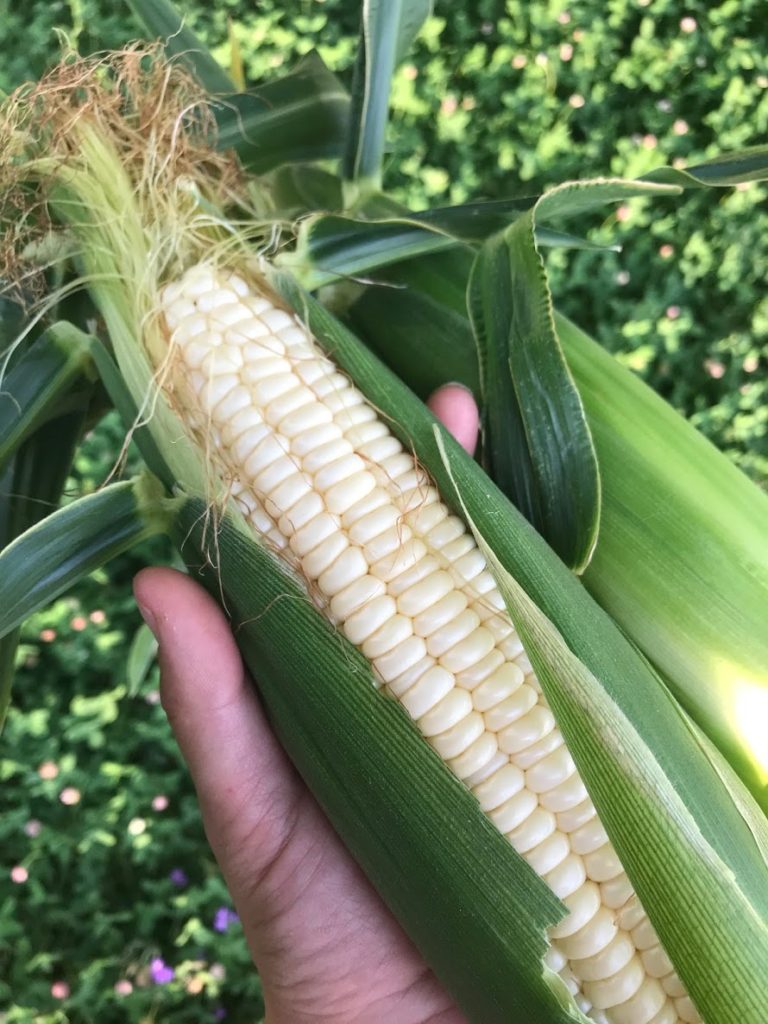
Sweetcorn has the highest sugar content of any of the varieties and is comprised mostly of soft starches. It is the most frequently grown corn by home gardeners.

Dent Corn

Dent corn is mostly commercial corn. It is grown for animal fodder, high fructose corn syrup, ethanol, and tortilla chips. This variety is a cross between flint and flour corn. It is called dent corn because of the dented appearance. It can be roasted in the milk stage (18-22 days after corn silk appears) for eating.

Flour Corn

Flour corn is a soft starch. It is sweet and digestible, with a fuller flavor than sweet corn. It can be eaten like fresh corn in the milk stage. It is good for masa.

Popcorn

Popcorn is a subset of flint corn-unlike sweet corn and does not shrivel when it is dried. This is because the outer starch is hard while the inner starch is soft. When heat is applied, there is a pressure that builds up causing that soft starch to pop. Popcorn has a prickly appearance. Don’t grow for table eating.

Flint Corn

Flint and flour are the traditional Native American corns. Flint is used for hominy, grits, cornmeal and can be popped. They have an iridescent glass bead look. Only a few varieties can be used for fresh eating, and are often roasted.

Here are some suggested varieties to try for monsoon garden crops:

CORN

Ashworth Corn [Sweet]. Plant later in the season, mid August or early September. This variety is quick maturing approximately 70 days and is a shorter variety at 5ft tall.

Dia De San Juan [Dent]. Planted out June 24th to welcome the expected rains. Good for tamales, masa and roasted eating. Grows 10ft tall.

Yoeme Blue Corn [Flour]. A very heat tolerant variety good for low elevations. Shorter variety.

Onaveno [Flint]. A very tall variety that is late maturing and endures temperatures well over 100 degrees. Plant this if you have a good amount of space to dedicate to a corn patch.

Glass gem [Popcorn]. A very beautiful and colorful variety. Plants grow 6ft tall.

COWPEAS AND BEANS

Holstein cowpea. A prolific producer or mottled black and white beans. Smaller plants that are perfect for container or small space gardens.

Blue goose. This variety is best described as tiny speckled rocks! They produced very long pods with about 20 seeds per pod on 3 foot tall plants.

Arsin Long Bean. A very prolific long bean that produces well into winter. Grow this one with a tall variety of corn.

Yoeme Purple String Bean. A quick maturing pole bean that takes 75 days from pod set to a dry bean in Phoenix.

Hopi Red Lima.  A beautiful bean that produces a prolific number of pods. They do take a very long time to mature but are well worth the wait. Plant in late May or early June.

SQUASHES AND MELONS

Zucchini. Any zucchini will grow well with short corn or in container planting.

Calabaza Mexicana. A vigorous cushaw squash with a pale colored flesh.

Magdalena Big Cheese. Large sweet-fleshed squash variety. It is an excellent producer and looks great for Halloween and Fall decorations.

Hopi Yellow Watermelon. This variety is really attractive with its lovely creamy yellow flesh and black seeds. Sweet crisp flesh.

Crimson Sweet watermelon. A popular variety with a lovely sweet and juicy flesh.

Kajari melon. Very heat tolerant small-fruited musk melon with a strong scent. Beautiful orange striped melons very popular with backyard gardeners.

We recommend reading our article on growing squash for information on varieties and understanding cross-pollination.

Category: News & Stories, Tips and Tricks

Growing Clover as a Lawn Alternative

June 3, 2019 //  by jessica.m.ricco@gmail.com//  9 Comments

[vc_row css=”.vc_custom_1559602503825{padding-bottom: 5% !important;}”][vc_column][vc_custom_heading text=”Vast expanses of green lawns get a bad rep sometimes among backyard food and fruit growers as everything from a waste of space to a waste of resources. But what if you could have a nice patch or path or border of soft, fluffy greenery that thrives in summer and winter?” font_container=”tag:p|font_size:18|text_align:left” use_theme_fonts=”yes”][vc_custom_heading text=”Clover is a fantastic option for so many reasons – it is a nitrogen fixer, it flowers for bees, it has deep roots that sustain it without daily watering, it stays green in the winter, among others. We love to run around barefoot on this soft green patch in our yard.” font_container=”tag:p|font_size:18|text_align:left” use_theme_fonts=”yes”][/vc_column][/vc_row][vc_row css=”.vc_custom_1557978178312{padding-bottom: 5% !important;}”][vc_column width=”1/3″][vc_custom_heading text=”PALESTINE STRAWBERRY CLOVER” font_container=”tag:p|font_size:24|text_align:left|line_height:1.5″ use_theme_fonts=”yes”][vc_single_image image=”1208″][vc_custom_heading text=”We came upon Palestine Strawberry Clover when researching a low ground cover that would be suitable for the bare earth along the edge of our yard that was previously a flood irrigation channel.” font_container=”tag:p|text_align:left|line_height:1.5″ use_theme_fonts=”yes”][/vc_column][vc_column width=”2/3″][vc_single_image image=”2971″ img_size=”full”][/vc_column][/vc_row][vc_row css=”.vc_custom_1559602525768{padding-bottom: 5% !important;}”][vc_column][vc_custom_heading text=”This particular variety stood out because it:” font_container=”tag:p|font_size:24|text_align:left|line_height:1.5″ use_theme_fonts=”yes”][/vc_column][/vc_row][vc_row css=”.vc_custom_1557980198386{padding-bottom: 5% !important;}”][vc_column][vc_row_inner css=”.vc_custom_1559602546841{padding-bottom: 3% !important;}”][vc_column_inner width=”1/3″][vc_custom_heading text=”TOLERATES POOR DRAINAGE” font_container=”tag:p|font_size:18|text_align:left|line_height:1.5″ use_theme_fonts=”yes”][vc_single_image image=”1208″][vc_custom_heading text=”It tolerates poor drainage and can survive in up to two months of flooding.” font_container=”tag:p|text_align:left|line_height:1.5″ use_theme_fonts=”yes” link=”|||”][/vc_column_inner][vc_column_inner width=”1/3″][vc_custom_heading text=”ATTRACTS BENEFICIAL INSECTS” font_container=”tag:p|font_size:18|text_align:left|line_height:1.5″ use_theme_fonts=”yes”][vc_single_image image=”1208″][vc_custom_heading text=”The strawberry clover blossoms attract bees, butterflies, and other beneficial insects, particularly during the summer after the citrus blooms have faded.” font_container=”tag:p|text_align:left|line_height:1.5″ use_theme_fonts=”yes” link=”|||”][/vc_column_inner][vc_column_inner width=”1/3″][vc_custom_heading text=”FIXES NITROGEN” font_container=”tag:p|font_size:18|text_align:left|line_height:1.5″ use_theme_fonts=”yes”][vc_single_image image=”1208″][vc_custom_heading text=”All clover fixes nitrogen, so this is not something unique to this variety. However, this is a major benefit of clover to traditional bermuda or rye grass.” font_container=”tag:p|text_align:left|line_height:1.5″ use_theme_fonts=”yes” link=”|||”][/vc_column_inner][/vc_row_inner][vc_row_inner css=”.vc_custom_1559602561000{padding-bottom: 3% !important;}”][vc_column_inner width=”1/3″][vc_custom_heading text=”TOLERATES MOWING AND GRAZING” font_container=”tag:p|font_size:18|text_align:left|line_height:1.5″ use_theme_fonts=”yes”][vc_single_image image=”1208″][vc_custom_heading text=”This clover looks lovely after being mowed, if you plan to replace a lawn. It stays green and soft underfoot.” font_container=”tag:p|text_align:left|line_height:1.5″ use_theme_fonts=”yes” link=”|||”][/vc_column_inner][vc_column_inner width=”1/3″][vc_custom_heading text=”SPREADS, BUT NOT INVASIVE” font_container=”tag:p|font_size:18|text_align:left|line_height:1.5″ use_theme_fonts=”yes”][vc_single_image image=”1208″][vc_custom_heading text=”Our clover has filled out the surrounding areas nicely but is nowhere near as invasive as bermuda grass. If I could replace our entire lawn (which was existing when we moved in) with this clover, I would. We are constantly pulling bermuda grass out of garden beds and from mulched areas.” font_container=”tag:p|text_align:left|line_height:1.5″ use_theme_fonts=”yes” link=”|||”][/vc_column_inner][vc_column_inner width=”1/3″][vc_custom_heading text=”LOOSENS HEAVY SOIL” font_container=”tag:p|font_size:18|text_align:left|line_height:1.5″ use_theme_fonts=”yes”][vc_single_image image=”1208″][vc_custom_heading text=”This is BIG for the low desert. Our compacted clay soil needs help to allow oxygen and water to permeate to plant roots. This clover has deep roots that loosens soil and also improves its own drought tolerance.” font_container=”tag:p|text_align:left|line_height:1.5″ use_theme_fonts=”yes” link=”|||”][/vc_column_inner][/vc_row_inner][vc_row_inner css=”.vc_custom_1559602571721{padding-bottom: 3% !important;}”][vc_column_inner width=”1/3″][vc_custom_heading text=”HEAT TOLERANT” font_container=”tag:p|font_size:18|text_align:left|line_height:1.5″ use_theme_fonts=”yes”][vc_single_image image=”1208″][vc_custom_heading text=”It thrives in the summer and winter (hardy down to 25). It does need some water in the summer. However, now that it is established in our yard, it only receives flood irrigation every 2 weeks and receives full western sun.” font_container=”tag:p|text_align:left|line_height:1.5″ use_theme_fonts=”yes” link=”|||”][/vc_column_inner][vc_column_inner width=”1/3″][vc_custom_heading text=”ALKALI TOLERANT” font_container=”tag:p|font_size:18|text_align:left|line_height:1.5″ use_theme_fonts=”yes”][vc_single_image image=”1208″][vc_custom_heading text=”This clover is advertised as alkali tolerant and certainly has thrived wherever we’ve planted it. It even grows along the salty banks of tidal streams.” font_container=”tag:p|text_align:left|line_height:1.5″ use_theme_fonts=”yes” link=”|||”][/vc_column_inner][vc_column_inner width=”1/3″][vc_custom_heading text=”GREEN ALL YEAR LONG” font_container=”tag:p|font_size:18|text_align:left|line_height:1.5″ use_theme_fonts=”yes”][vc_single_image image=”1208″][vc_custom_heading text=”I love that it maintains its rich green color all year long. Bermuda grass always looks so sad and brown in the winter and overseeding with rye is not something we are willing to do at this point.” font_container=”tag:p|text_align:left|line_height:1.5″ use_theme_fonts=”yes” link=”|||”][/vc_column_inner][/vc_row_inner][/vc_column][/vc_row][vc_row css=”.vc_custom_1559602525768{padding-bottom: 5% !important;}”][vc_column][vc_custom_heading text=”How to Start Clover From Seed” font_container=”tag:h3|font_size:24|text_align:left|line_height:1.5″ use_theme_fonts=”yes”][vc_single_image image=”1208″][vc_column_text]We planted this clover in October a couple of years ago.

You need to inoculate clover seed prior to planting. The seed we purchased came pre-coated so we did not have to worry about this step. Inoculation ensures good germination.

I spread the seed using a hand-held seed spreader, but if you have a larger area to cover, the wheeled ones are definitely a better option.

I spread the seed the day after we received flood irrigation because the ground would already be soaked. I also wanted the seeds to germinate before we received flood again, which would have washed away the seed. If you don’t receive flood, you might want to wet the area first.

After spreading the seed, I covered (lightly) with a mix of wood chips, soil, and grass clippings. In retrospect, the grass clippings might not have been the best choice because bermuda and other grasses spread so quickly. However, we didn’t seem to have a huge problem with grass out-competing the clover. I believe starting it in the fall, when bermuda is entering dormancy, was the key to helping the clover become established so it can crowd out the bermuda.

I used a simple, inexpensive sprinkler hooked up to the hose on a timer to keep the area moist for about 10 days.

This clover has reseeded itself and spread to create a beautiful border to our existing lawn. We mow the edge of it and it creates a really nice transition against the block wall that crowds out weeds and provides food for beneficial insects.[/vc_column_text][/vc_column][/vc_row][vc_row][vc_column][vc_cta h2=”Buy Clover Seeds” add_button=”left” btn_title=”Buy Clover Seed” btn_color=”green” btn_link=”url:https%3A%2F%2Fwww.groworganic.com%2Fpalestine-strawberry-clover-rhizocoated-lb.html||target:%20_blank|”]If you’d like to buy Palestine Strawberry clover from the same place we did, consider Peaceful Valley Farm Supply![/vc_cta][/vc_column][/vc_row]
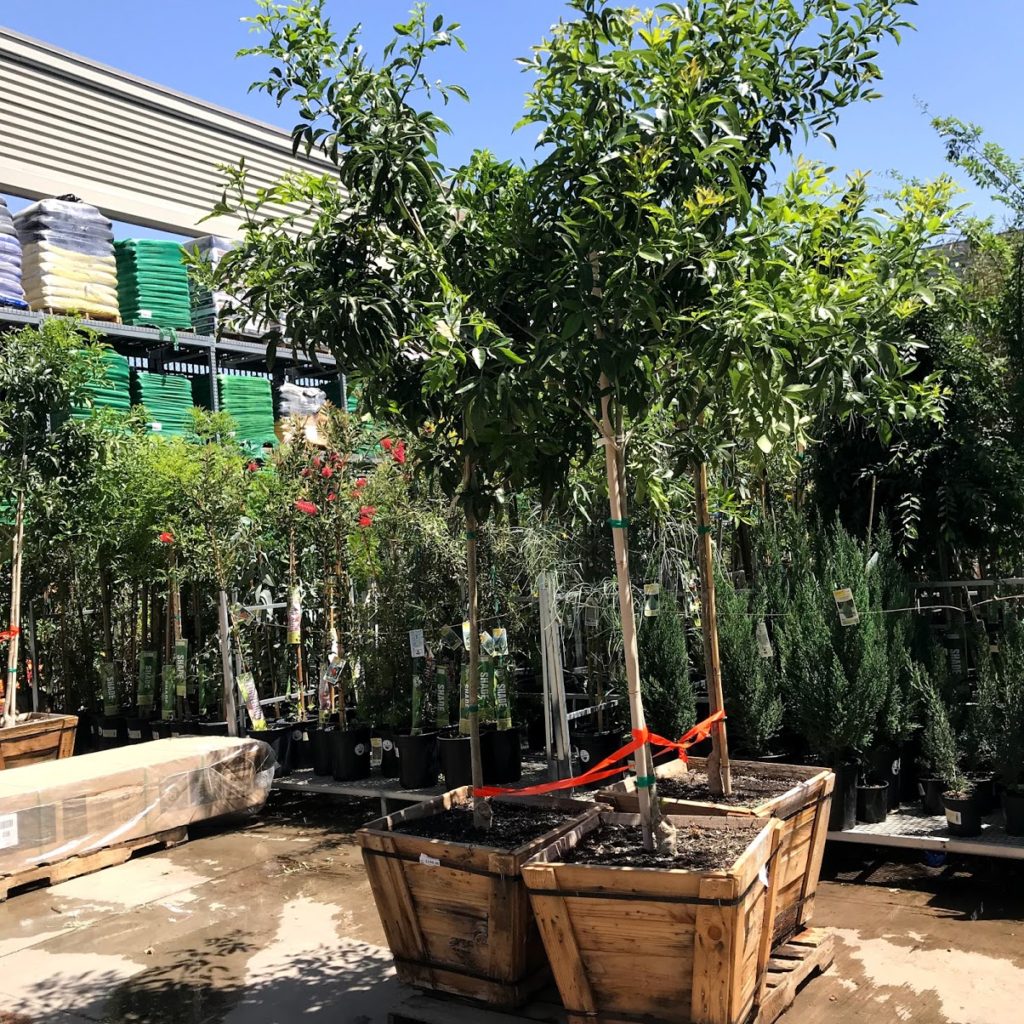
Category: News & Stories, Tips and Tricks

Keeping Squash Blossoms Fresh

May 22, 2019 //  by jessica.m.ricco@gmail.com//  Leave a Comment

There is an abundance of squash blossoms during spring and summer. They make for a tasty treat in a variety of dishes. We love them in quesadillas, stuffed, on pizzas, in sandwiches, or even in pasta salads. However, squash blossoms need to be picked first thing in the morning before the sun wilts them during the day. I am usually not ready to cook them that early.  Sometimes there is not enough to cook on the day I pick them and I need a few more the next day.

My trick is to pick them and immediately lay them on wet paper towel in a container with a lid that seals. Right after, I mist them with some water, seal the container and pop it into the fridge. They will keep this way for 2 days.

Happy Squash Blossom Picking!

Category: How to Use It, Tips and Tricks

Tip: Keeping Sanitary Pruning Tools

April 24, 2019 //  by jessica.m.ricco@gmail.com//  Leave a Comment

So I have to admit, I’m a lazy gardener sometimes. Not with everything of course, but I definitely need some “hacks” to help keep me on track here at Ardenelli Farms with the less “sexy” parts of gardening – i.e., keeping clean tools!

It’s always a good idea to sanitize your shears and pruners in-between plants so if you are removing diseased branches (knowingly or unknowingly) it doesn’t spread to other plants or trees.

I never used to clean my pruners (oops!) until I started learning about grafting. There was a nifty idea to keep a spray bottle with rubbing alcohol with your tools. I usually keep mine right in the garden shed with the tools and sometimes it migrates around and hangs on trellises wherever I used it last. It’s in a bright neon bottle that is easy to spot.

Wipe off debris first, give both sides of the blades a good spray, and you’re good to go!

Happy gardening!

Category: Tips and Tricks

Copyright © 2026 ss_site_title · All Rights Reserved · Powered by Mai Theme