• Menu
  • Skip to content

ss_site_title

Just another WordPress site

Archives for July 2019

Cooling Down with Peach Leaves

July 21, 2019 //  by jessica.m.ricco@gmail.com//  4 Comments

Many plants have leaves that can be used as food or medicine and peach is no exception. 

I love everything about this wonderful leaf. I love the smell and taste in an elixir, I love that it is so simple and I really wish more people knew about it. Peach trees are in the Rose family and can help us cool down. 

For those summer headaches or headaches with nausea (if you live in Arizona, you know what I am talking about for sure), peach leaf is the thing.

To make a peach leaf tea, steep some peach leaves in cold water overnight. Strain and sip throughout really hot days. Heat kills the helpful compounds in peach leaves, so do not use hot water. It also helps relieve dry coughs, pollen irritation, and anxiety.

PEACH LEAF TEA

To make a peach leaf tea, steep some peach leaves in cold water overnight. Strain and sip throughout really hot days. Heat kills the helpful compounds in peach leaves, so do not use hot water. It also helps relieve dry coughs, pollen irritation, and anxiety.

PEACH LEAF ELIXER

Another easy way to use peach leaves is to make an elixir. 

  1. Fill a jar with leaves
  2. Add half a cup of honey
  3. Top off with 2 cups of brandy 
  4. Macerate for 8 weeks, giving a gentle shake every now and then 
  5. Strain and store in a cool dark place. 

It can be used both topically and internally. When dealing with fevers, blisters, boils, prickly rashes, and sunburn, this can be used internally and/or applied to the skin. It is also helpful for insect bites and stings. While you are waiting for those late season peaches to ripen, start picking the peach leaves!
Category: How to Use It

Choosing the Right Amendments for your Garden

July 17, 2019 //  by jessica.m.ricco@gmail.com//  4 Comments

Perhaps one of the most overwhelming and confusing areas of gardening is knowing what amendments to use in your soil so that plants can get the nutrients they need. The first step to choosing the correct amendments is understanding the basics of soil.

You can read our soil article here. 

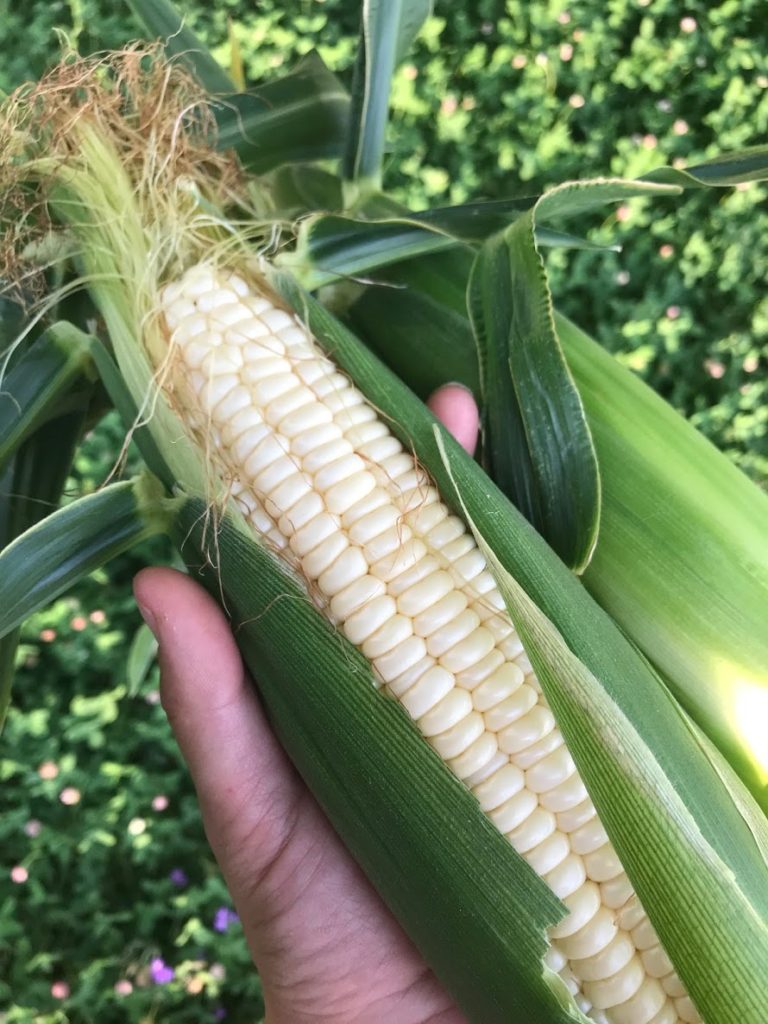
All plants need Nitrogen, Phosphorus and Potassium, also known as N-P-K on purchased amendments. Plants also require several other minerals to prevent nutrient deficiency. Some plants are referred to as heavy feeders, meaning they need a lot of N-P-K to be healthy and productive. Examples are corn, squash, and citrus. Depending on what you are growing and what time of year it is, plants could require different amendments. The key however, is always to build healthy soils so that a range of nutrients is available to all plants when needed. 

Why are Amendments Needed?

Planting in native desert soil has its advantages and disadvantages. Native soils are really rich in minerals, so you will not have to add any mineral-rich amendments, unless a soil test indicates otherwise. However, native soils are very alkaline and you may need to add amendments to adjust the pH, or help leach away salts. In addition, native soil has little to no organic matter and you therefore must add composts and mulches. 

In containers, plants have access to a limited amount of soil and nutrition. Therefore, adding amendments is necessary to supplement nutrition. Compost teas and fish fertilizers are great to add occasionally, but they are only good for one watering. Having a slow release organic amendment is also necessary to continually feed the soil.

AMENDMENTS FOR EVERY SITUATION

Fruit Trees

Fruit trees will require a lot of nourishment. If planted in the desert clay, they will have access to all the minerals needed. However, extreme heat or even cold will affect a plant’s chemistry, sometimes making it unable to take up iron. This shows itself in the form of chlorosis. It is very common in citrus trees and shows up as a light leaf with dark veining. Chlorosis is common in winter, but we also see it in summer when high temperatures cause compacted soils and salt build-up due to more frequent watering. Most add chelated iron to address this issue, but we feel that is a band-aid.

Instead, we prefer using humic Acid. It changes soil alkalinity, makes clay soils more porous and aerobic, and improves drainage. This allows for better uptake of nutrients including iron. 

Our friend, Tony Sarah is a horticulturist and soil specialist and shared this information with us regarding humic acid: 

Humic and fulvic acids are both the end result of biodegradation of once living organic matter. Generally this is referred to as humic substances. 

The large difference between the two is that fulvic acid is yellow to yellow-brown in color and is soluble in water in all pH ranges and remain in solution after all of the humic acids have been removed. 

Humic acid is that portion of humic substances that are only made soluble in alkaline conditions and is insoluble in acid environments. 

Now that we have that out of the way, you may have difficulty finding fulvic acid since the state of California does not recognize a difference between the two, even though there obviously is a difference. As such, fulvic acids tend to be sold under different names, so check with the companies website as they will say what is what. 

There are different sources of these from around the world and are most commonly referred to as Leonardite. These were formed in salt water from reeds and grasses during the carboniferous period. These tend to be more closely related to coal and slack lignite. 

Others were formed in fresh water during the cretaceous period and may have better biostimulant action. 

Both may aid in neutralizing both acid and alkaline soils while making iron, zinc and other trace nutrients available in alkaline soils. Some humic acid products have many of the trace nutrients added to them. 

These acids are reported to have a high Cation Exchange Capacity, CEC.

Compost and mulch are appreciable amendments. We recommend adding both 3 times a year. Early spring (February), as trees are starting to put out new growth, May, just before the summer heat and, again in September or October. Worm castings are also a great addition. Organic amendments can be added regularly, except while some trees are dormant from November to January. In containers, amendments should be added once a month.  We like Bio Fish, which has a high nitrogen and phosphorous rate (7-7-2). Additionally, neem meal is another slow-release nitrogen source that benefits plant health. Liquid seaweed, kelp meal or any potassium-rich organic amendment should also be added monthly, as potassium helps plants cope with extreme weather conditions, whether too hot or cold. 

Not all trees have the same nutritional requirements and for successful growing it is important to know the needs of the particular tree you are planting. This especially applies to tropical trees, which generally require less nitrogen than most. Mangoes for example require more magnesium and less nitrogen.

Vegetables

The best practice for adding amendments to vegetable beds or containers is to do it at the beginning of the planting season. Typically, we can plant 3 different seasons of crops: spring, monsoon, and fall. Compost and worm castings are always good additions. Liquid seaweed or kelp meal are good for all vegetables to help with strong root systems and resilience in different weather. Neem meal and Bio fish also help productivity. The addition of bat guano not only adds phosphorus needed for flowering and fruiting, but also controls nematodes and makes plants more resilient to thrips. Depending on what kind of vegetables you are growing, you should adjust your amendments accordingly. Here’s a quick guide to help.

Green leafy vegetables

Neem Meal, to supply slow release of nitrogen.

Brassicas

Bio Fish, provides both nitrogen and phosphorous for these heavy feeders. Use Bio Fish for cauliflowers, broccoli, and brussels sprouts. Use neem meal for kales, cabbages, and arugula.

Root Vegetables

Root vegetables prefer not to have too much additional nitrogen. Seabird guano high in phosphorus is a must for tasty, big tubers. Always add before planting and supplement midseason. Garlic however, will require nitrogen and bio fish should also be used.

Beans and Peas

Contrary to popular belief, these do require some nitrogen. Most beans are poor nitrogen fixers. Those that are good nitrogen fixers are cowpeas, tepary beans, favas and lima’s. Neem meal will provide some slow-release nitrogen and has helped prevent thrips at Solitary Bee Gardens. Bat guano will provide phosphorus for prolific flowering and fruiting.

Squashes, Melons, Cucumbers

Bio Fish, neem meal and bat guano are all good amendments for these heavy feeders.

Okra

Also a heavy feeder. Bio Fish, and bat guano are beneficial additions.

Eggplants

Prone to attacks from whiteflies in fall and spider mites during the hot dry summer months, bat guano and neem meal help with these issues. Bio Fish can also be used. 

Peppers

Bio Fish.

Tomatoes

Bio Fish, Neem Meal and, bat guano can all be used for healthy plants and prolific fruiting. Tomatoes do not like changes in weather, use liquid seaweed to help cope with swings in temperature and late spring heat. 

Acid-Loving Plants

For acid-loving plants like berries, and roses, cottonseed meal can be added to amend pH and provide nitrogen to soils. The use of citric acid works for quick pH changes especially for large  citrus trees. Sulfur works for more of a slow release application. 

A QUICK LOOK AT OUR FAVORITE AMENDMENTS

Compost: This is one of the best all-round amendments you can add to your soil. We like to add compost before planting our crops for a new season. Typically, this is early spring and fall. We pull back the mulch and add a layer of compost. Even a very thin 1/3 inch layer will benefit the garden greatly. Homemade compost is best, but a good quality purchased compost is also fine. For very large areas, compost teas are cost effective and still add excellent fertility to soils.

From the Kitchen: Kitchen scraps are wonderful free amendments that can be added any time of the year to any plant in the garden. They encourage soil life and add to the richness of your garden beds. We add all vegetable peelings (be careful with potato and sweet potato if you do not want them growing everywhere), ground-up eggshells, coffee grounds and filters, banana peels and any vegetative waste from cleaning vegetables and fruit. Leftover tea, wine, beer, kombucha/scoby, milk, and kefir grains are other additions. Molasses is often used in compost teas, and even old spices can be tossed into the garden.

Green Manures: Green manures seem to be under-utilized by desert gardeners. However, it is an excellent way of adding fertility to new soils, or even to boost older garden beds and tree wells. If you prefer not to garden h in the summer, a cover crop of cowpeas/black-eyed beans makes an excellent green manure. Before they start setting pod, chop and drop,  and cover with mulch. 

Matt Powers, Permacuture Educator and author of several books does a blend of daikon, orange giant amaranth, mennonite sorghum, buckwheat, and cowpeas. He calls it the five cousins and it is his recipe for making soil and healing the land. He states that the cowpeas add nitrogen and biomass. Buckwheat accelerates cowpea nitrogen fixation and growth, and adds trace minerals and nutrients. In addition, it can access inaccessible pools of phosphorus in the soil. Daikon radish acts as a biological tiller and deep composter. Sorghum for C4 grass (warm climate grasses) function as biomass. Amaranth for bird and pollinator food and after a certain stage of leaf growth, they too, act as a C4 grass. 

Winter green manures to consider are Austrian Peas, fava beans, clovers, vetches and daikon.

Worm Castings: If you do not have soils that is already teaming with worms, worm castings will benefit every plant and improve soil structure.

Neem Meal: Our favorite go to for plant health. Neem meal benefits the earthworms, keeps plants healthy and adds a slow release of nitrogen. 

Bio Fish: This is another favorite go to for the addition of organic nitrogen and phosphorous. 

Mycorrhizal Fungi: Mycorrhizal fungi (in the form of granules or liquid) help almost all plants. They work by forming a symbiotic relationship with plant roots, expanding the plant root system, and enabling access to more nutrition and minerals. They also assist in making plants more drought tolerant. Brassicas however, form no relationship at all with mycorrhiza. 

Bat Guano: Herbivorous bats produce a guano high in phosphorus, while carnivorous bats produce guano high in nitrogen. We use bat guano as our source of organic phosphorus in our gardens. It also helps to control nematodes and keeps plants healthy. 

Langbeinite: This is a great amendment to have on hand for plants that need an extra boost of magnesium. It is beneficial to roses, container grown trees, citrus trees, eggplants, peppers and tomatoes. Also consider adding some to planting holes for tomatoes.

Liquid Seaweed or Kelp Meal: The addition of an organic potassium source throughout the season helps establish stronger root systems and hardier plants. In addition, seaweed contains so many micronutrients, minerals, amino acids and vitamins that benefit plants. Plants are less stressed and better able to cope with extreme heat. In the case of tropicals, there is more resiliency to colder temperatures.  It helps deter pests and diseases and promotes vigorous growth in plants. 

Ag-Mino: Ag-mino is a wonderful supplement for quick nitrogen source. It can burn plant roots though, so care should be taken to use as directed on the packaging. It works well as a nitrogen addition to new soils or when plants are showing signs of a lack of nitrogen. 

Category: News & Stories, Tips and Tricks

The Two Natural Amendments You Need to Give your Plants to Thrive this Summer

July 13, 2019 //  by jessica.m.ricco@gmail.com//  2 Comments

“You can’t grow anything in the summer.” This is a common misnomer you hear in the Phoenix-area low desert. But it’s just that, a misnomer! Plants have a remarkable ability to cope with stress and protect themselves if you provide the tools, particularly healthy soil. 

However, the extreme summer temperatures (which can reach over 115F/46C here in Phoenix) cause major heat stress for all but the most heat-loving or native trees or plants. Stress in the plant world basically means a deviation from normal growing conditions. When you think about it, we are growing most edibles outside of their normal growing conditions as tomatoes and mangoes and the like will not grow here on their own (without supplemental water, shade, and soil improvements).   

High summer temperatures don’t just impact us here in the Phoenix low desert, though. Backyard gardeners, commercial growers, and fruit tree hobbyists everywhere can benefit from these amazing amendments. 

So what is this magic plant elixir?

The first ingredient is

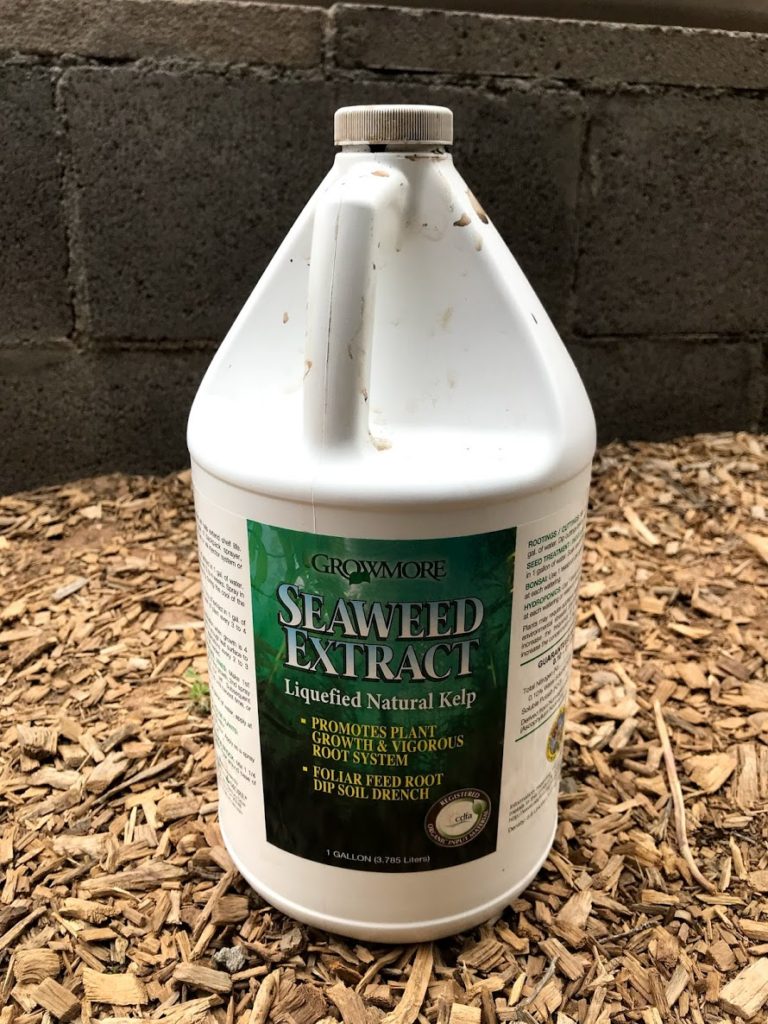
SEAWEED EXTRACT

Seaweed extract is basically liquified kelp and is considered a biostimulant. In addition to containing nearly every necessary readily-available (chelated) micronutrient, liquid seaweed also contains powerful plant hormones that help fight stress. Betain is one of the most beneficial hormones in the summer since it helps plants increase water uptake, particularly when under stress. The diverse polysaccharides stimulate root growth both directly and indirectly through soil microbial growth and also turn on a plant’s natural defenses to pests and disease. 

Seeds soaked germinate faster and have better root growth. Studies have shown that with the addition of seaweed extract: 

  • Grapes have higher sugar content 
  • Geraniums produce more prolific flowers
  • Cucumber yields increase up to 40% and suffer fewer issues such as softening

The second ingredient is

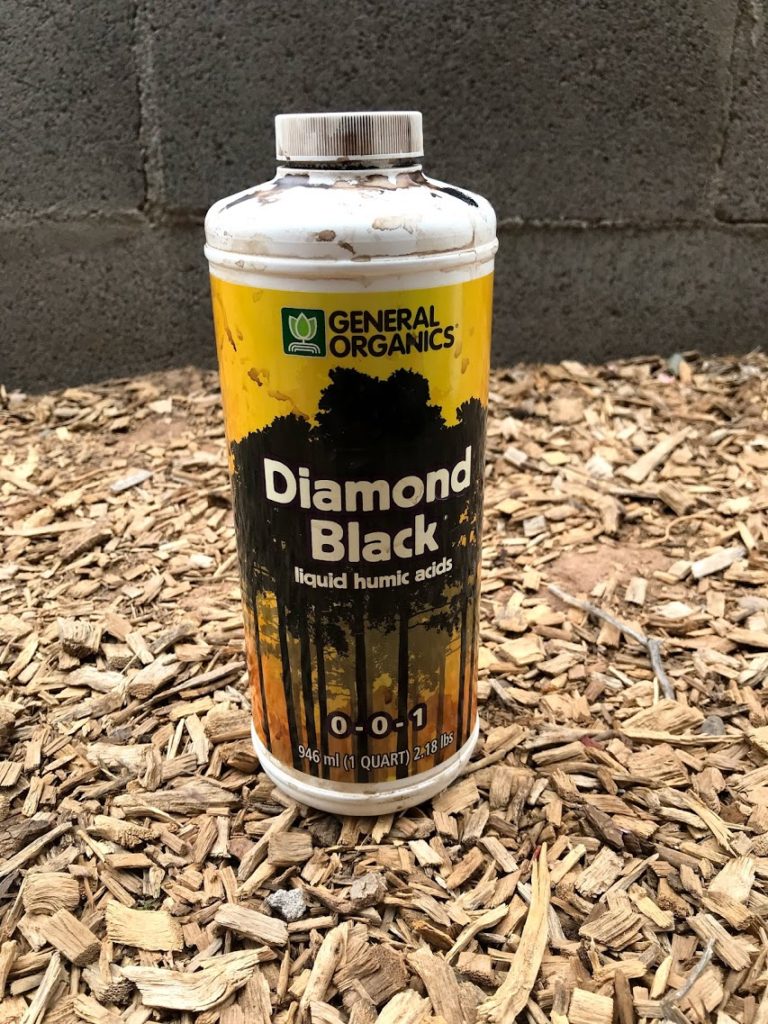
HUMIC ACIDS

Humic and fulvic acids are the final broken down/decayed form of organic matter and act as a medium by which nutrients and water are held and transferred from soil to plant roots. 

It is also completely decomposed, so it does not compete with your plants for nutrients/nitrogen the way compost does. Humic acids also have incredible longevity in soil, well beyond that of any compost. 

This is CRUCIAL in our dense clay soils because they are usually devoid of organic matter. Humic acids are harvested from large deposits in the Dakotas and a new one recently discovered in New Mexico.

Humic acids change the structure of soil both physically and chemically.

Physically, humic acids improve aeration of soil by loosening dense clay. This improves overall soil and microbial health and helps your soil retain water, increasing drought resistance

Chemically, humic acids optimize your plants’ ability to uptake nutrients, PARTICULARLY in highly alkaline situations like ours. It makes iron more readily available to plant roots, reducing chlorosis. Humic acids are also amazingly able to reduce the bio-availability of toxic substances in the soil.

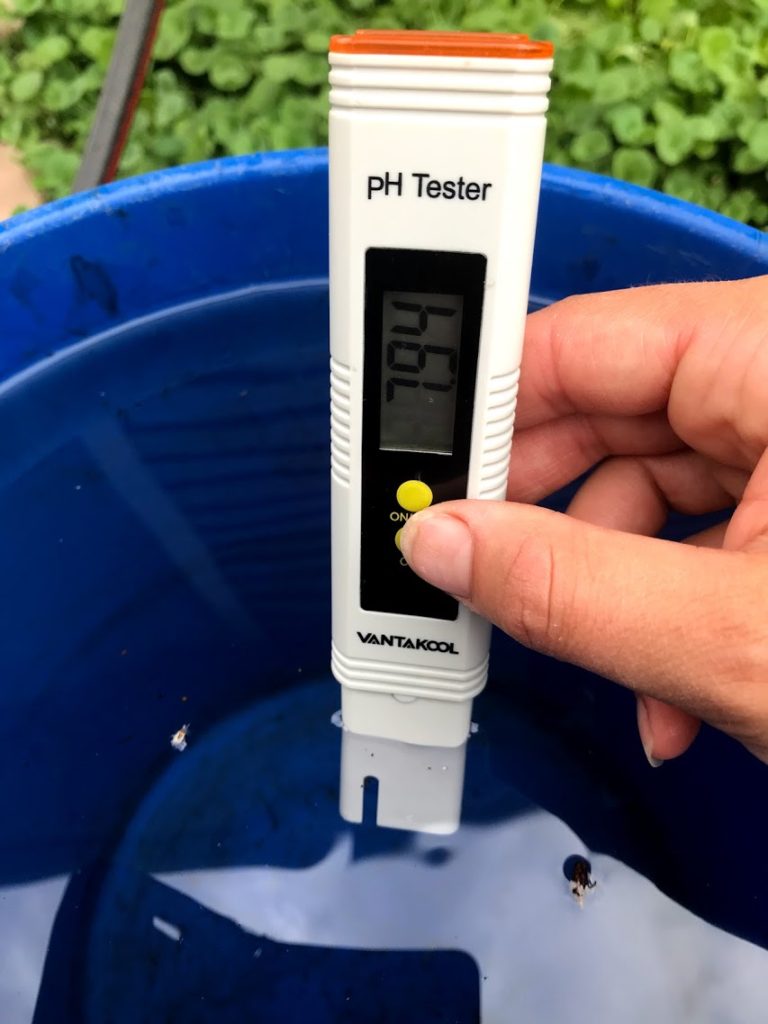
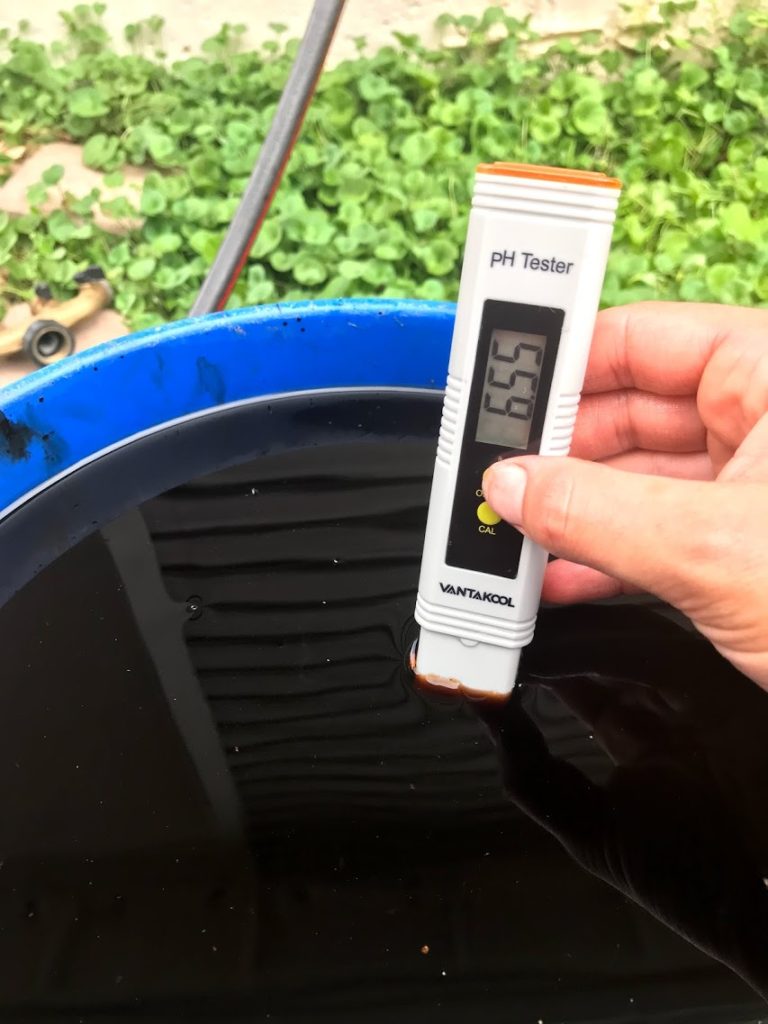
Another huge benefit of humic acid here in the low desert is their ability to neutralize pH. Standard hose water pH is highly alkaline (usually 7-8+). Adding humic acids reduces the pH to optimal/neutral levels for most tropicals and common vegetable garden plants (pH 6). 

Thanks to Robert Maloley for his insights into this important benefit of humic acids!

pH in a 5-gallon bucket of water prior to adding amendments

pH in 5-gallon bucket of water after adding amendments

Seaweed Extract and Humic Acids are 50% More Effective Together, and Ratio matters

According to a 10 year study conducted by Virginia Tech, the positive effects of each of these amendments is enhanced by 50% when used at a ratio of 5 parts humic acid to 2 parts seaweed extract. 

Take a 5-gallon bucket and add:

  • 5-oz of liquid humic acid
  • 2-oz of seaweed extract. 

Fill the rest of the bucket with water and add to your tree wells, vegetable gardens, and potted plants. 

To start, give 1 gallon of this mixture to each tree or large pot. For a garden bed (raised or in-ground), try spraying 1-5 gallons (depending on garden size) on the soil with a pump sprayer early in the morning. Alternatively, try running the undiluted mixture through an in-line irrigation fertilizer injector. 

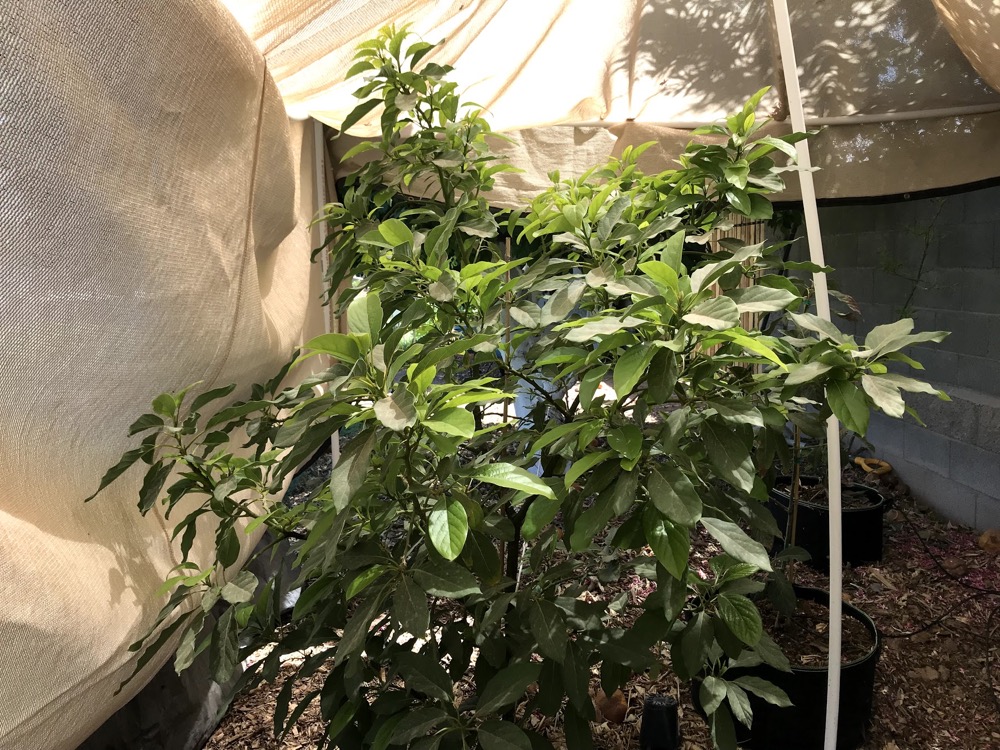
The beautiful thing about both of these amendments is that they are natural and not actually fertilizers, so they cannot burn your plants. A little goes a long way, so start with roughly 1 gallon per plant and reassess after a week. You may find certain sensitive plants (such as avocados) benefit from a weekly application while other plants may only need a once-per-month application. You may also want to give this mixture more often in 110+ degree temperatures. 

Each time you apply, you are strengthening the long-term health of your soil and helping your plants/trees grow stronger, more resilient root systems. 

Twice during this past week of 110+ temperatures, I gave a gallon each to all of my mango and avocado trees.

Stay Cool!

Category: News & Stories, Tips and Tricks

Exploring Stinging Nettle

July 11, 2019 //  by jessica.m.ricco@gmail.com//  Leave a Comment

A few years back I started a journey with nettle. It was spring and I was having issues with allergies (like I do every spring). I also had a cough for months that would not go away, even though I was not sick. I started to take a nettle tincture to help with the allergies and mullein to ease the coughing. At the same time, I stumbled across Susun Weed and her nourishing herbal infusions. (More about that later.) 

Stinging nettle may be familiar to you as something to aid with respiratory issues like allergies. You may have also heard of the sting. This miracle plant is so much more. The leaves, flowers, roots, and seeds can all be used to help in different situations. 

The botanical name is Urtica Dioica, pronounced Er-ti-ka Die-oh-ee-kah. I find that most of these herbs have names related to what they do for us. In Greek, Uro means urine, and nettle benefits the kidneys and adrenals. Dioica comes from Di-iokos, meaning two houses. 

Nettle is nutritionally dense, providing minerals, vitamins, and protein.  Fresh nettle leaves can be used in soups, stews, made into pesto, hummus or even combined with cheese in ravioli. It’s difficult to find fresh Nettles in the U.S., but we can use the dried leaves or grow our own.

Here’s a quick overview of the nutrients in nettle:

1 quart of nettle infusion contains 

  • 1000mg of calcium
  • 760milligrams of vitamin K
  • 15000IU of vitamin A

In addition, there is blood building iron, B vitamins, memory enhancing zinc, anti-cancer selenium, immune-building sulphur, diabetes-fighting chromium, and boron for bone-building. Magnesium, manganese, chlorophyll and vitamin D are also abundant. At their peak, dry nettle leaf contain up to 25% protein!

Nettle is a tonic herb and will restore and promote health in the body.

However, nettle can interfere with blood thinners and should not be consumed if you are also on this medication. 

BENEFITS OF NETTLE

Nettle seeds are used to nourish the endocrine system.

They can also be used for thyroid issues, as a poison antidote, and for healthier hair and skin.

Nettle root is also used as a hair and scalp tonic, to treat thinning hair, dandruff, and itchy scalp. The root is excellent as a kidney strengthener and can be used to help expel kidney stones and nourish the kidneys during a kidney infection. You can use the root and leaves to treat UTIs, to reduce kidney stress from diabetes, bladder, or urine issues. Again, do not use if you are on blood thinning medication. 

The most common nettle preparations use the leaves and stalks. 

The leaves and stalks are used to ease bleeding, for haemorrhages, nose bleeds, ans after childbirth. You can grind the leaves to a powder and use it as a styptic on wounds. This is particularly helpful if you accidentally cut your dog’s nails too short.

Again, the leaves and stalks are great for hair and skin – improving hair shine and thickness and revealing clear and luminous skin. 

Nettle helps with energy levels, digestion, nutrient dense milk supply in lactating mothers and to build up the blood after large blood loss after childbirth. Use with any and all respiratory issues and infections to speed up healing and promote a stronger immune system. 

The dense mineral supply in nettle helps to build and maintain healthy bones, stabilize blood sugar, and can even ease rheumatoid arthritis (in conjunction with other herbs) over time.

USING NETTLE

Susun Weed promotes the drinking of herbal infusions and I also believe this is the best way to benefit from nettle. An infusion is basically a much stronger tea. You use a large amount of the herb/plant infused/steeped in water for a long time. This differs from the 20 minute soak used for herbal teas. 

Use one ounce of dry herbs, cover with 1 quart of boiling water and drink 4 or more hours later. 

Serve hot or cold once strained and sweeten with some honey or juice. You can also add the infusion to smoothies or get creative in finding other ways you enjoy taking it. 

I buy my leaves at Mountain Rose herbs, but there are several reputable suppliers selling a high quality organic dried herb. Bulk seeds can also be purchased from Strictly Medicinals. 

Nettle has long been known to relieve arthritis and body pains by touching/being stung by the fresh leaves. When touched, hairs on the leaves come off, injecting formic acid into the skin. This acid is said to trigger a response to prevent and provide relief from aches and pains. The effects of an accidental sting can be soothed by soaking the affected area in a baking soda and water solution or paste. Often, dock is found growing close to nettle and relieves the sting as well. 

After making my infusions, the leftover leaves either go into my garden or into quick soups. 

For the gardeners, nettle likes rich soil and makes a great companion plant to tomatoes, broccoli, mint, and fennel. Aphids detest nettle – a nettle tea makes a great natural spray for aphids. 

A simple nettle oil can be made by filling a jar with dry leaves and covering completely in olive oil. Leave in a warm spot but protect from light, for 4 weeks. Decant and store for use. It can be used for arthritis pain, on the hair and scalp, and for any skin issues, abrasions, or burns. 


Most of what I share on nettle comes from Susan Weed who speaks and teaches frequently on this subject.

Delicious Nettle Smoothie

Around St. Patrick’s Day, I found this tasty recipe, which makes a great, quick breakfast or even lunch. I love to make this using the leftover nettle leaves from my infusions. It is really delicious, with a fresh taste of mint and apple, sweetness from the banana, and creaminess of the avocado. Simply add all the ingredients below to a blender, and enjoy!

  • 1 cup of nettle
  • 1 banana
  • 1 apple
  • 2 cups of coconut water (or I have used plain water, too)
  • 1 small avocado
  • 1/4 cup of tightly packed mint

This recipe is adapted from John at Learning herbs and the original does include kale, but I am not fond of raw kale and it works fine without.

GROWING NETTLES IN THE DESERT GARDEN

I started growing Nettles at Solitary Bee Gardens two years ago. I cannot recommend it highly enough! Slowly, more desert gardeners are starting to show an interest in this magnificent plant. It likes rich soil with lots or organic nitrogen. It does not like our full summer sun, so give it some protection starting in mid-May. Sow seeds or transplant in October. 

Don’t forget to add this great herb to your Fall garden!

Category: How to Use It, Tips and Tricks

Garden of the Month: July

July 8, 2019 //  by jessica.m.ricco@gmail.com//  3 Comments

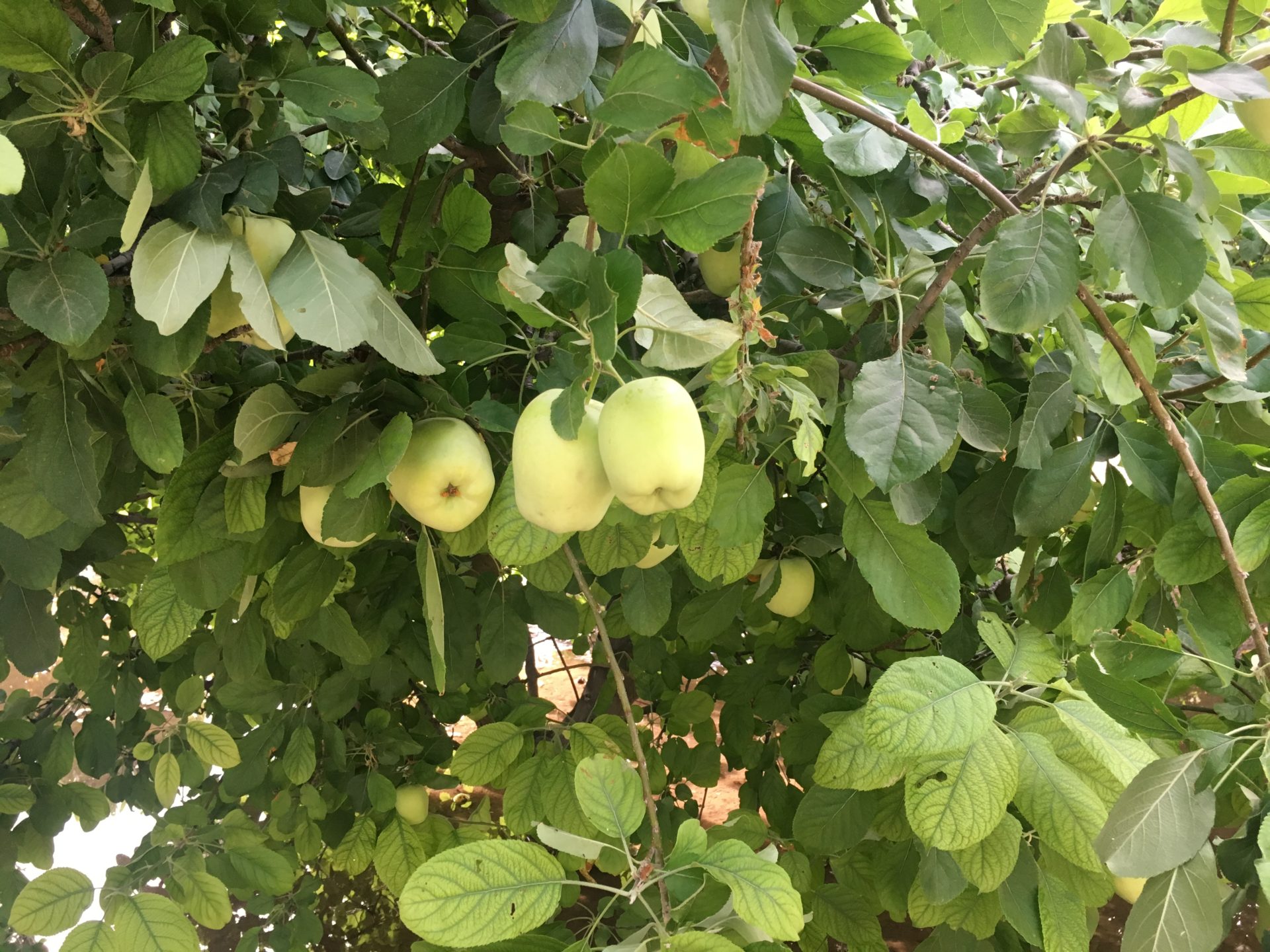
Anna Apple Tree
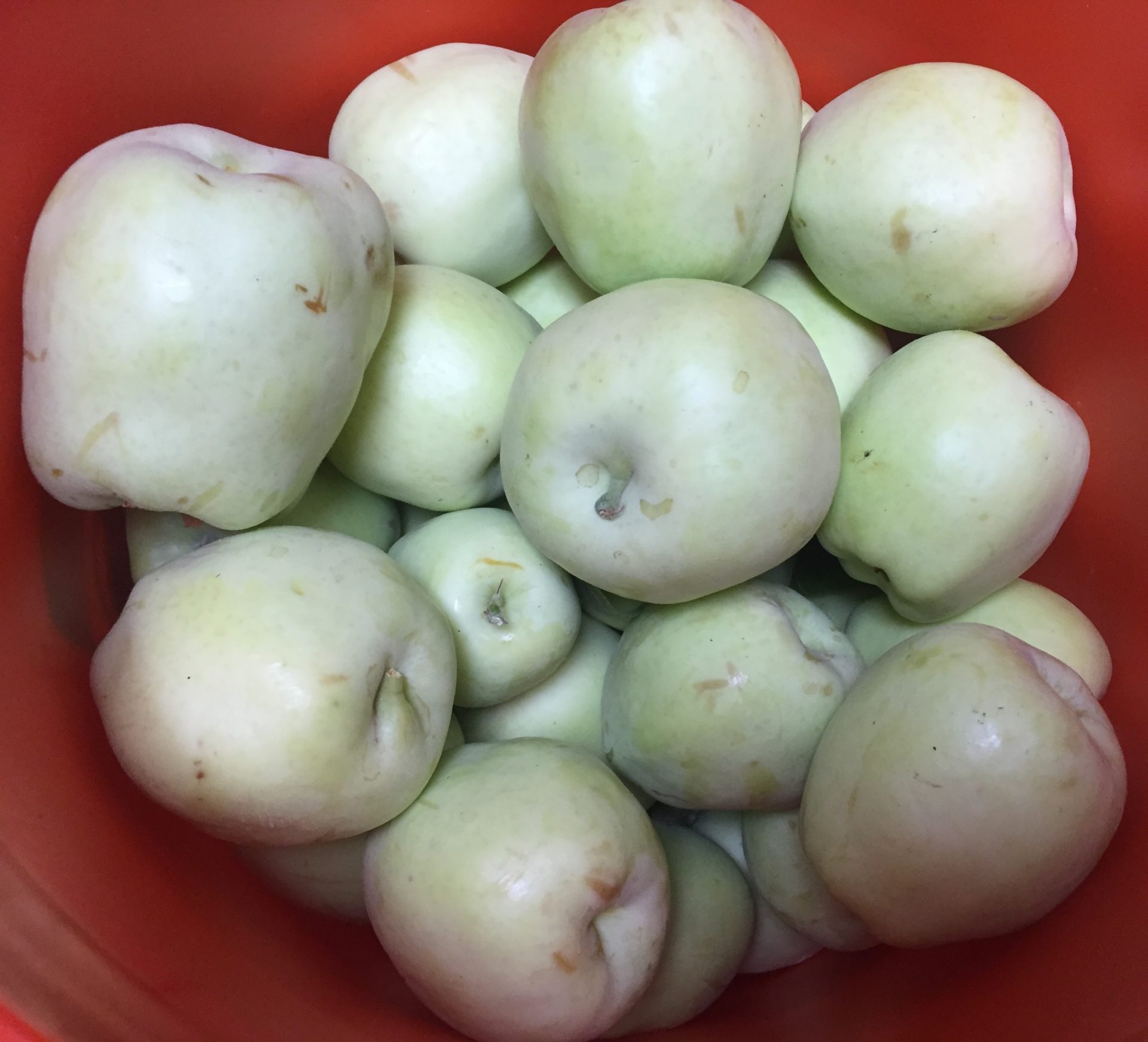
Apple Harvest
Artichoke Flower with many pollinators
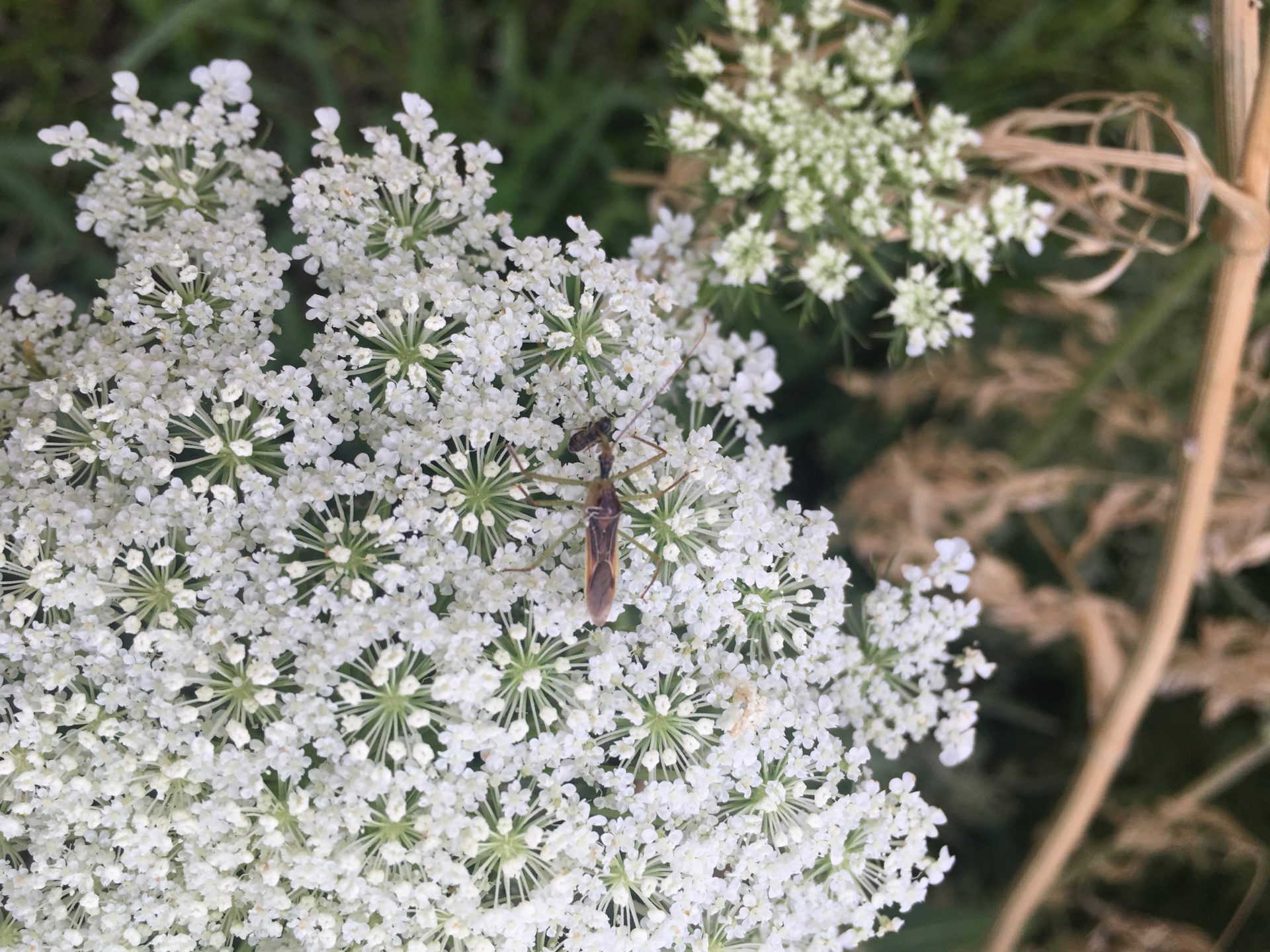
Assassin Bug On Carrot Flowers
Banana patch
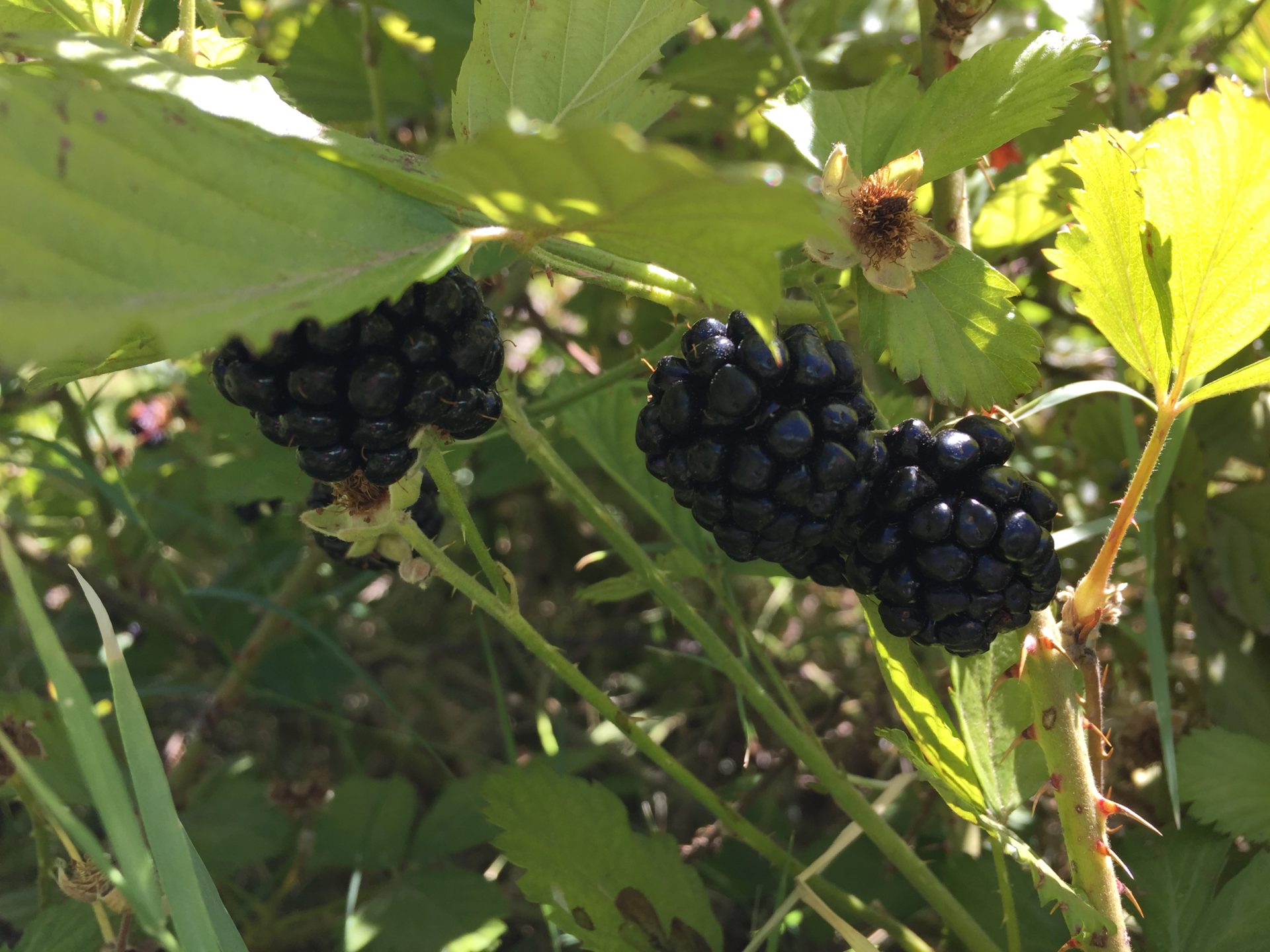
Blackberries
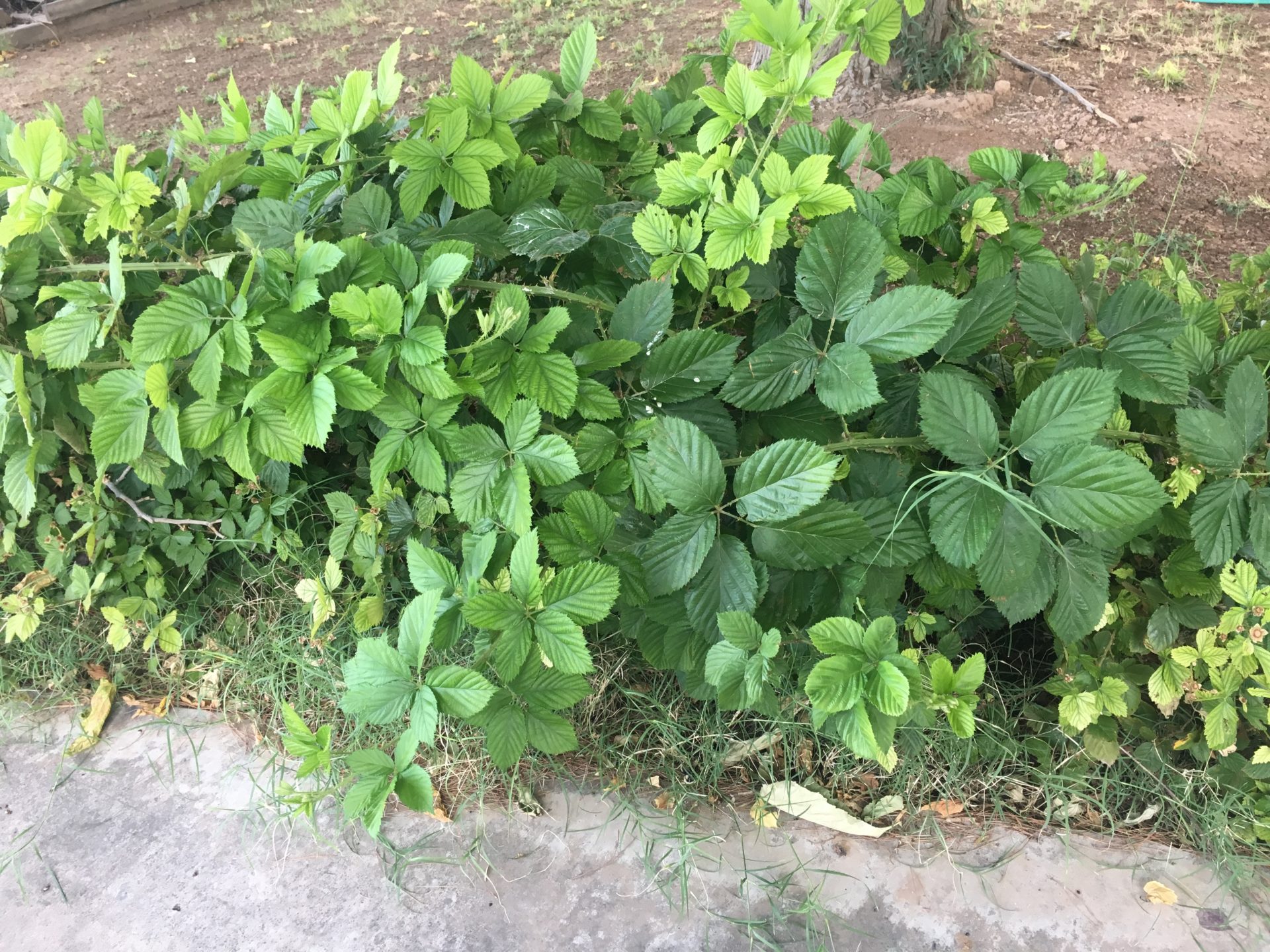
Blackberry patch
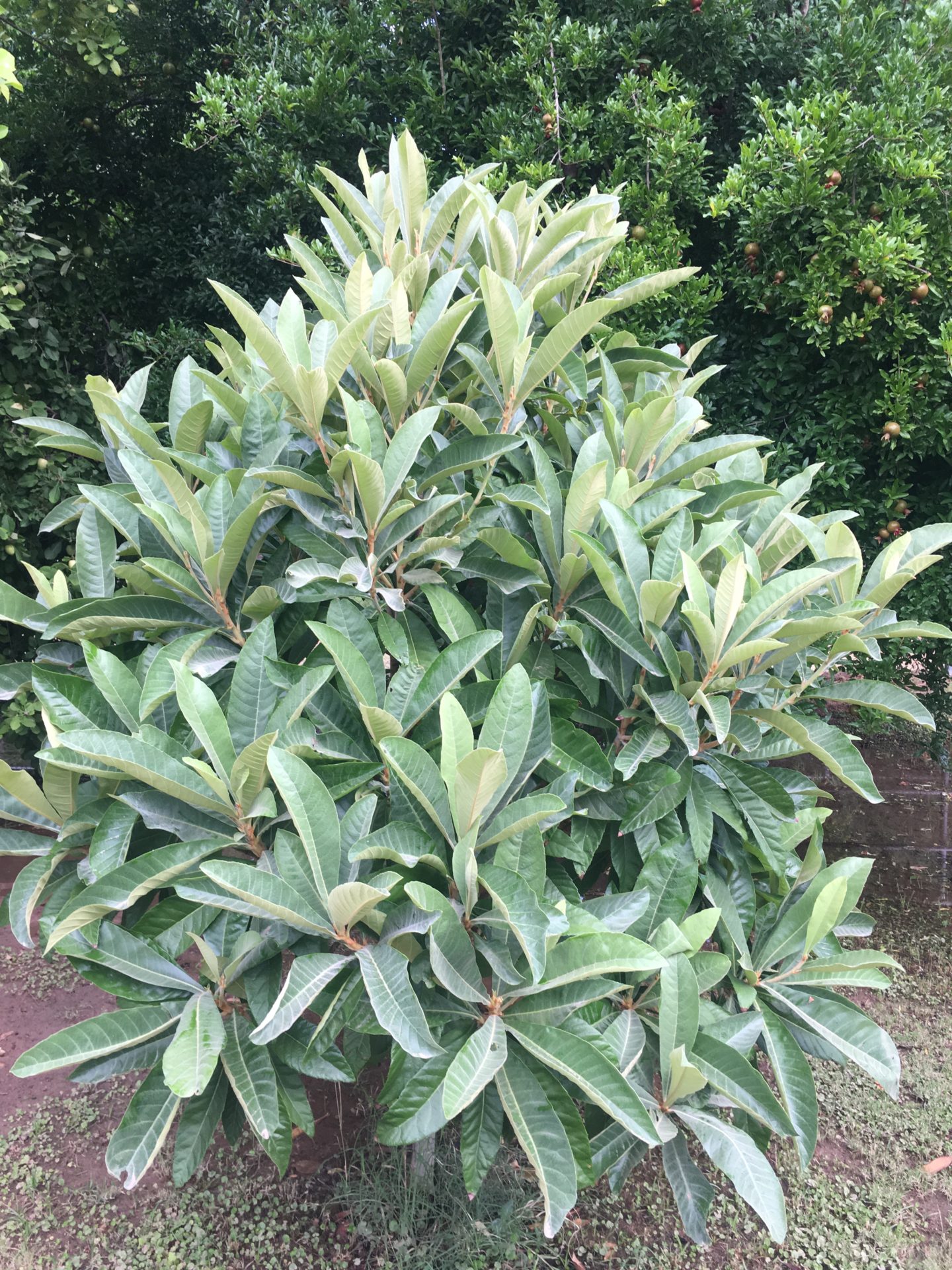
loqouat Tree
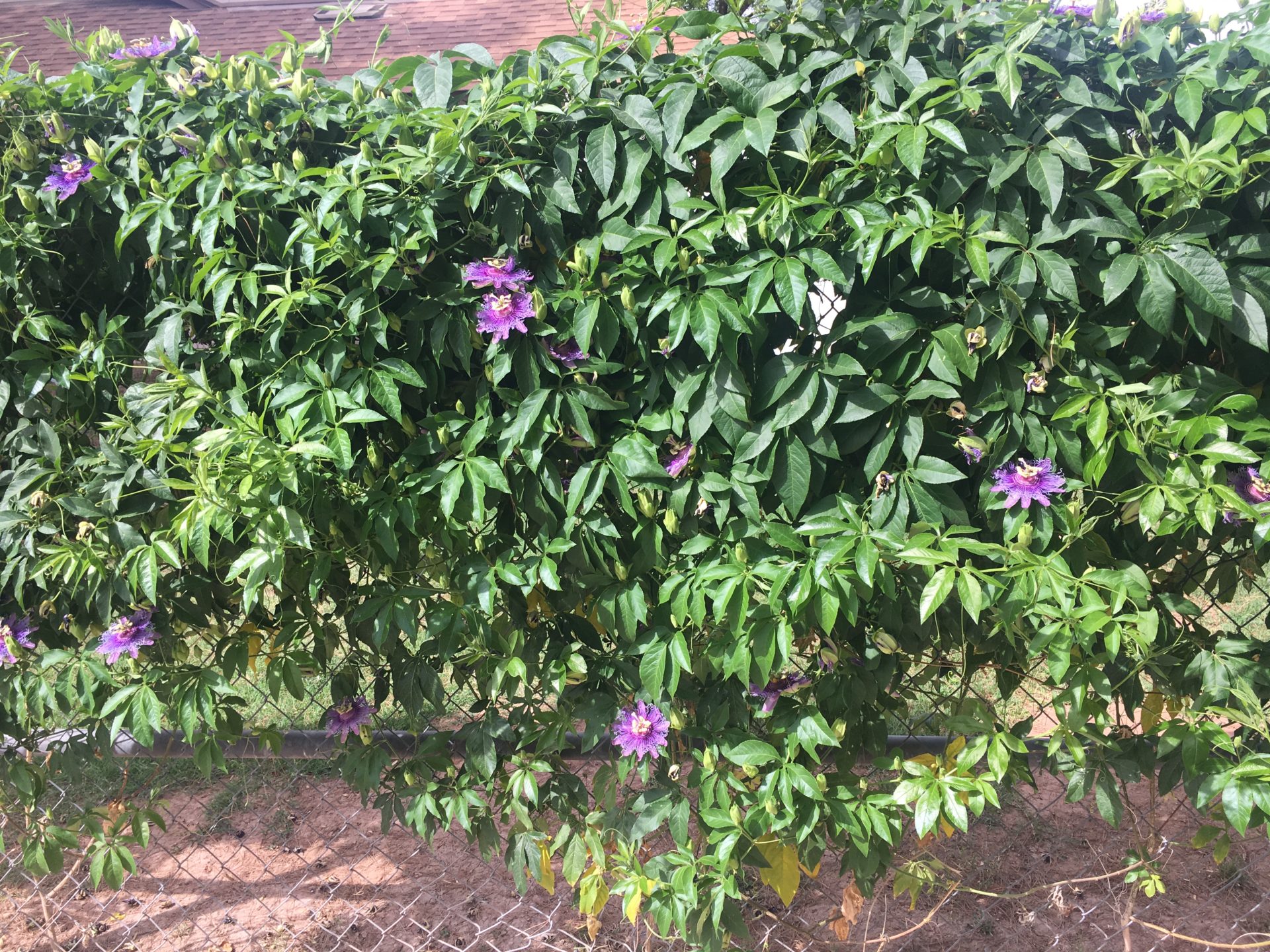
Passionfruit Flower
Passionfruit Flowers
Passionfruit Vine
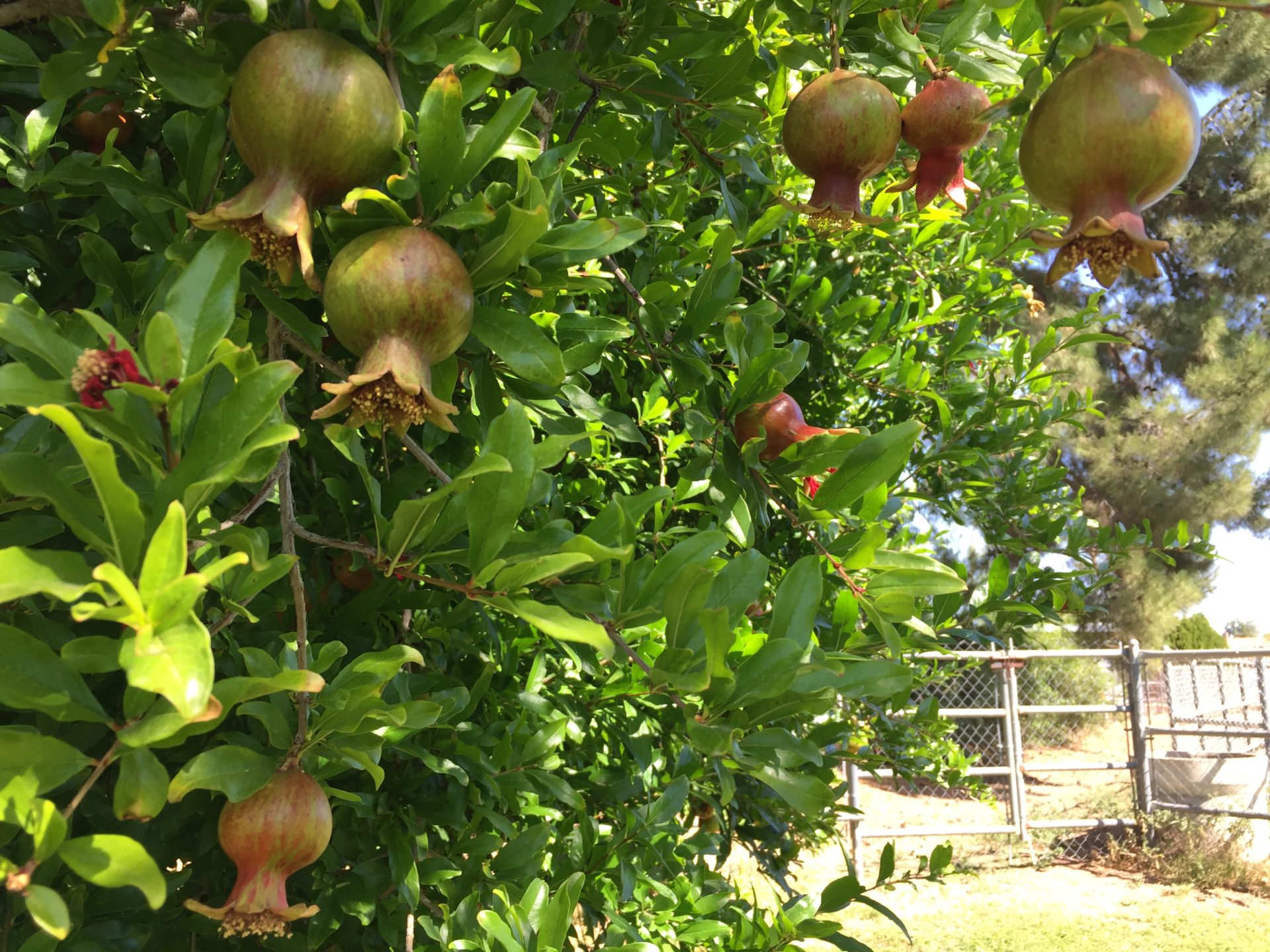
Pomegranate Tree
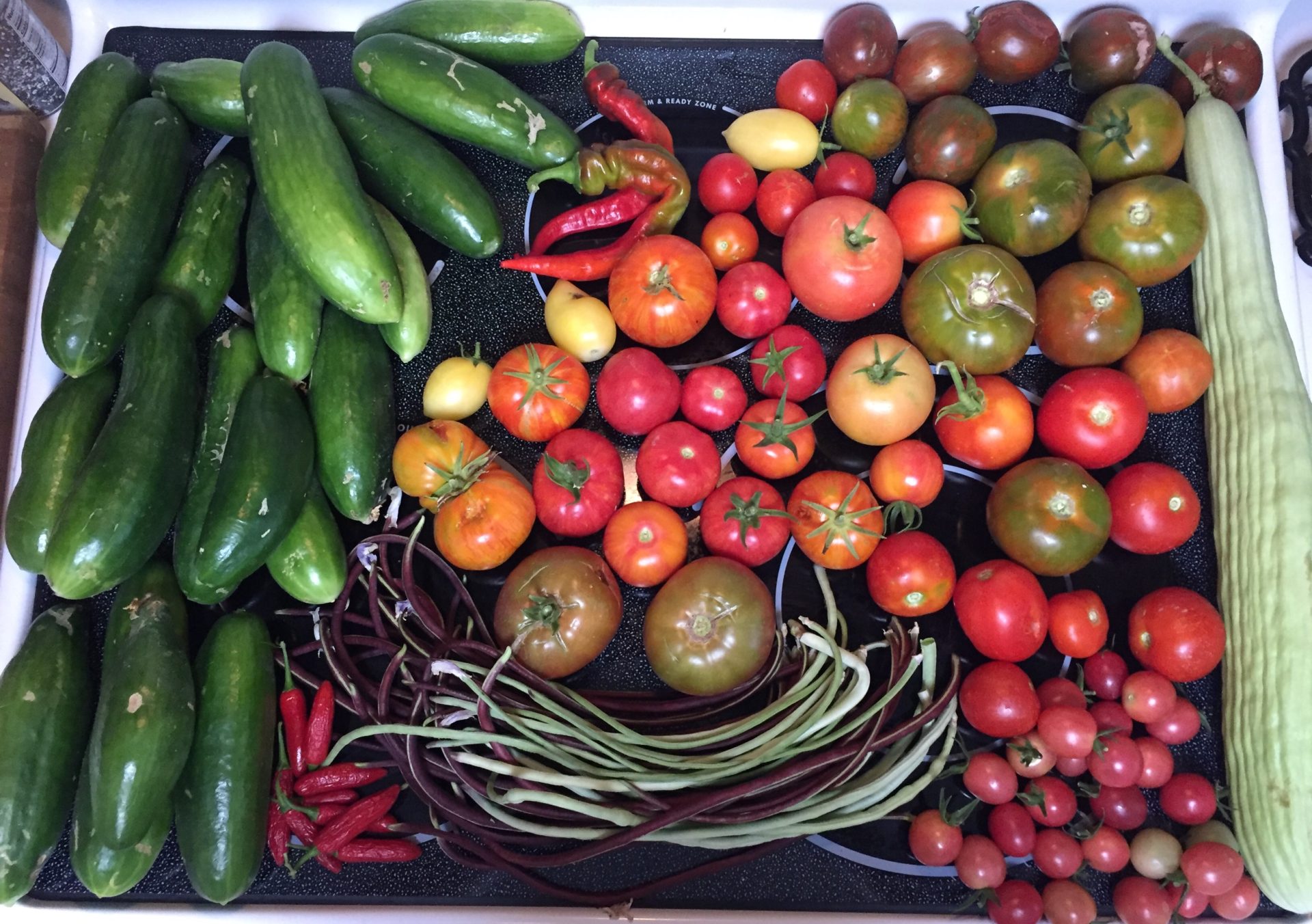
Summer Harvest
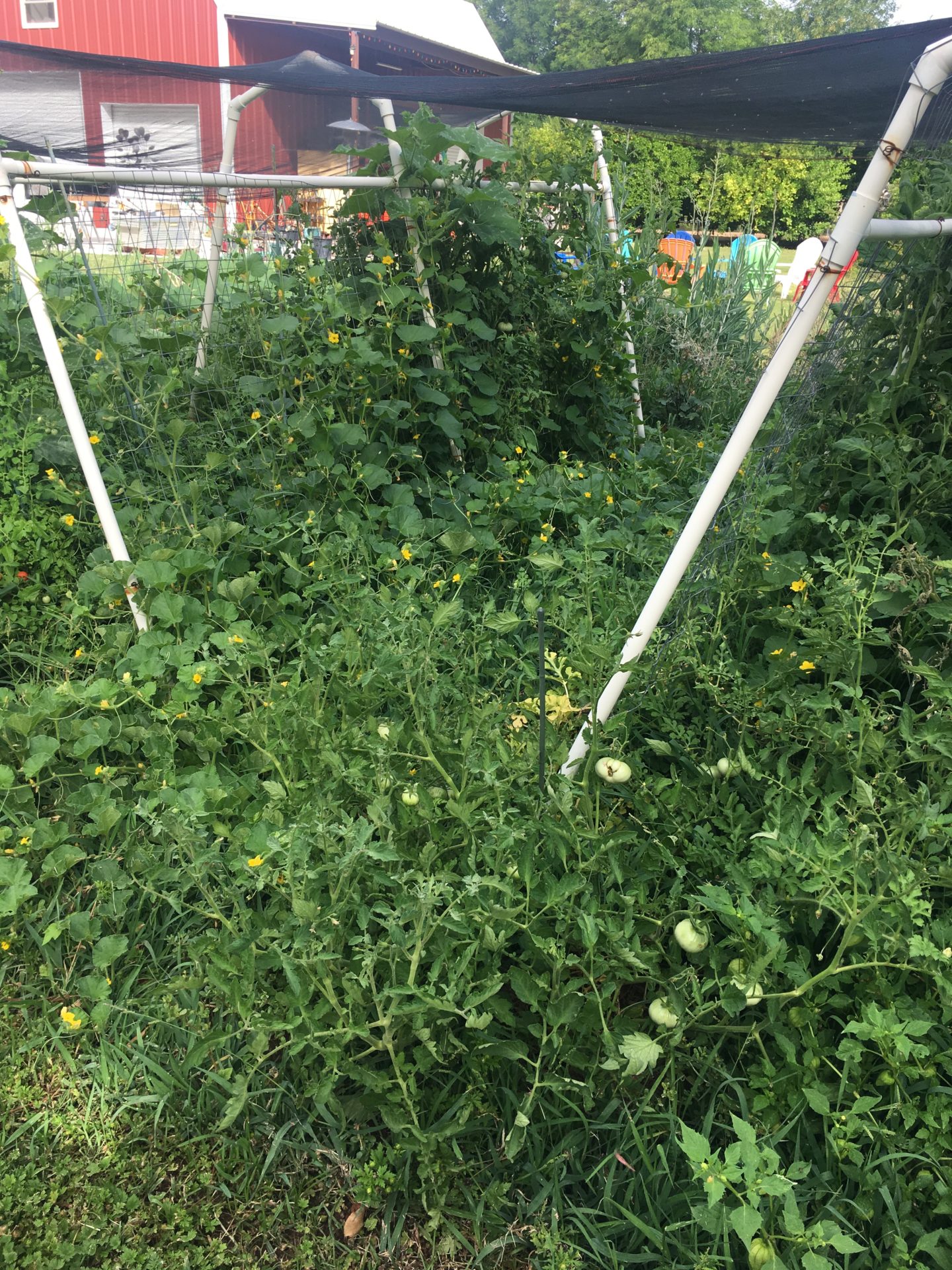
The Veggie Patch
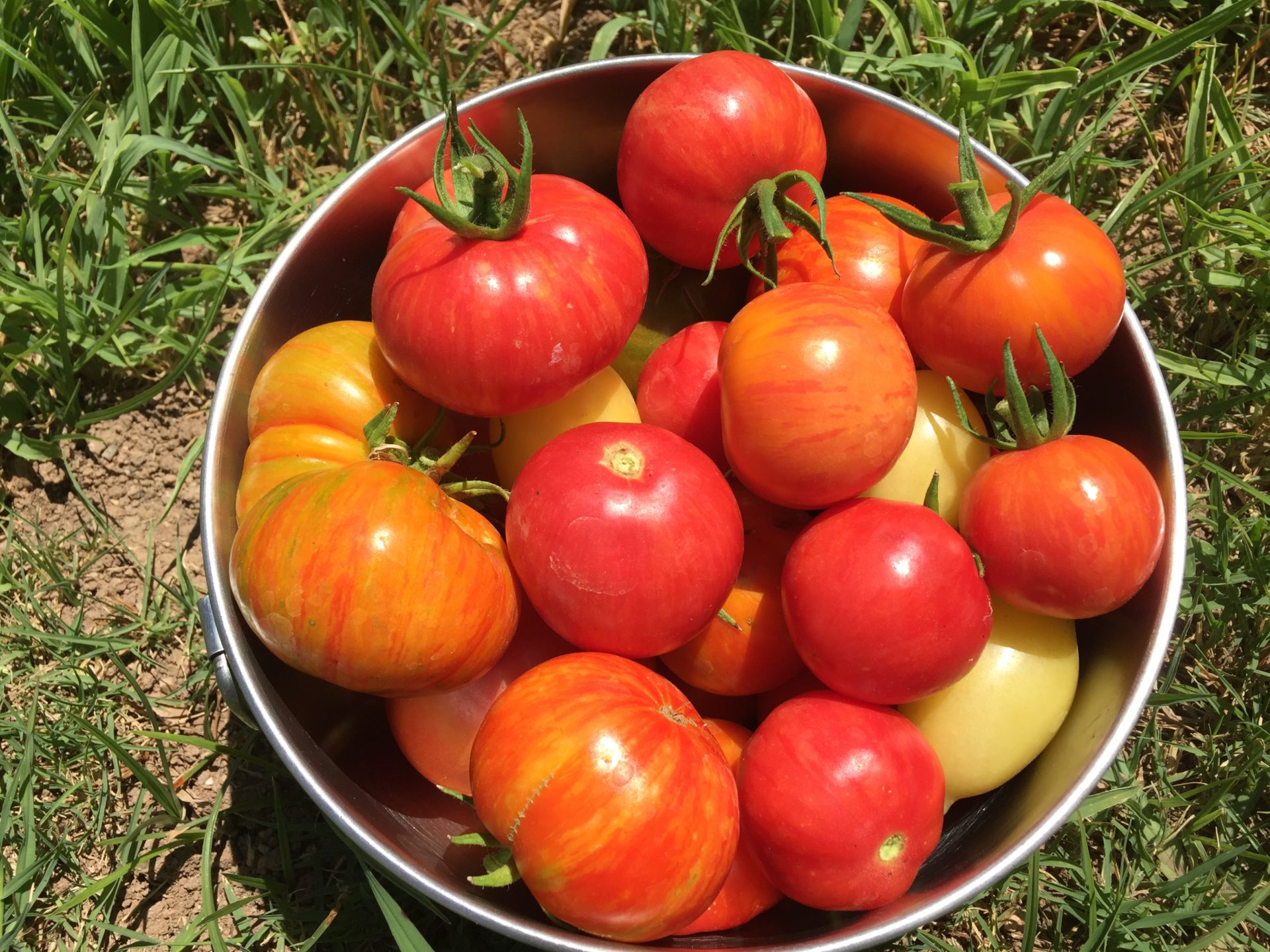
Tomato Harvest

Nancy Schmehl needs no introduction in the Phoenix gardening circles. She is an admin in one of the largest facebook gardening groups, Organic Gardens of Maricopa County, and shares her invaluable knowledge with our gardening community. That knowledge and gardening experience is reflected in this fantastic property.

A huge shady mulberry graces the entrance to her garden.  A patch of blackberries have happily established underneath, while sweet potato vine creeps along as a ground cover. On the far end, I notice very healthy looking fruit trees. Nancy gardens on a property that is just under an acre. It is an irrigated lot which is perfect for fruit trees. A neighborhood cat keeps us company as Nancy shows me around. This is her little garden buddy.

Life is visible everywhere here. There are several artichoke plants in flower that are supporting the pollinators. Herbs and roses are interspersed in between the artichokes. Close by, a shaded veggie patch is in high production. Cucumbers, tomatoes, beans, and eggplants are grown together, providing in abundance. Several carrot plants are flowering and on the way to setting seed. They house many assassin bugs and attract scores of pollinators. The orchard area of the property includes apple trees, citrus, loquat, pomegranate, and mulberries. There are also figs, peaches and a lovely banana patch. Everything is green and lush and covered in fruit. Blackberry season is over for Nancy, and she has been harvesting peaches, and now, apples are starting to ripen as well. There will be an plethora of produce all season long.

We sit down to find out what inspired this garden.

What is gardening to you?

It is a connection to my mom. When I am out there, she is on my mind. It is sad that she never got to see what it has become.

It is also my exercise and my sanity. It always lifts my spirits. It is being able to eat organic, fresh and tasty food. I missed my mom’s tomatoes and also citrus. The ones in the store tastes so bad and the citrus is not like the citrus from Santa Barbara.  Having this garden means I can grow my own. 

How did your garden adventure begin?

When I lived in an apartment here, my husband got me a bulb of the month subscription. I bought pots and soil and planted them and they grew. I had a very stressful job, it was my antidote. I would come home and sit with my plants. Later we moved to a rental home and the owner said I could have a garden. I planted tomatoes and zucchini and got the bug!

What changes have you made that have been really impactful?

Composting! It is the single biggest thing. It made a huge difference in plants thriving versus them just growing. The soil is more fertile. I got started with kitchen scraps. Friends from Canada were visiting, and told me about compost. My compost gets up to 160 degrees. I compost vegetable scraps and yard waste including grass trimmings. I do not compost anything in the solanaceae family since they could spread diseases. Joining the facebook garden groups also helped. Another really important change was allowing some plants to flower to bring in beneficial bugs. Cilantro and dill  are lady bug factories, but also pollinator attractors. The carrots and artichokes are pollinator magnets. The carrots also bring in a lot of assassin bugs. 

What do you enjoy growing?

Tomatoes! They are probably my number one, I am a tomato fanatic. Also the peaches, blackberries, apples and citrus. There is nothing like being out there and eating right from the garden. I love eating breakfast right out of the garden.

What do you want other gardeners to know about your garden?

It’s not perfect. It’s messy and weedy. Perfection is not required.

What are your biggest gardening challenges?

Battling invasive weeds. Some came from the bird feeders. 

What are your biggest successes?

Tomatoes! I KNOW how to grow tomatoes. Compost. Pomegranates.

Any tips to share with others?

Compost! There’s a theme here. Compost! Compost! Compost!

What would grow in your dream garden if climate was not an obstacle?

Lilacs! I had a Persian lilac here, but it was not an ideal spot and eventually died. I have not been able to find another one. The smell of lilacs is like nothing else. I love them so much, one sniff takes me back immediately to a summer evening in my childhood, playing hide and seek with the other kids in the neighborhood.

Category: Garden of the Month

Copyright © 2026 ss_site_title · All Rights Reserved · Powered by Mai Theme